
Your Trusted Partner for Extruded & Laminated Packaging Tubes | Est. 2004
Leave Your Message
EMILY Cosmetic Tube Packaging Launches Production-Friendly Tube Solution

What Are the Top Types of Toothpaste Tubes?

Toothpaste Tubes may look simple on a bathroom shelf, but their material and construction affect how toothpaste is protected, dispensed, and stored. A familiar plastic tube bends easily and usually pairs with a flip-top cap. Laminated tubes combine layers to provide a barrier against air and moisture, while traditional aluminum tubes can be folded tightly as the paste is used. Each design has trade-offs. The best option depends on the formula, manufacturing requirements, and how people use the product.

Small details matter. A wide opening can make dispensing easy, but it may also leave a mess around the cap. A stiff tube can hold its shape, yet feel harder to empty near the end. Packaging claims deserve a closer look, too: whether a tube is recyclable can depend on its materials and the collection facilities available locally. “Recyclable” is not always a complete answer. That part can be frustrating.

This guide introduces the main types of toothpaste tubes and explains their practical differences. It looks at common materials, closures, flexibility, barrier performance, and end-of-life considerations. These factors help brands and buyers compare packaging more carefully, rather than judging a tube by appearance alone. No single design suits every product. A useful comparison starts with what the toothpaste needs—and what the person using it actually notices.
What Are the Top Types of Toothpaste Tubes?

How Toothpaste Tubes Are Classified

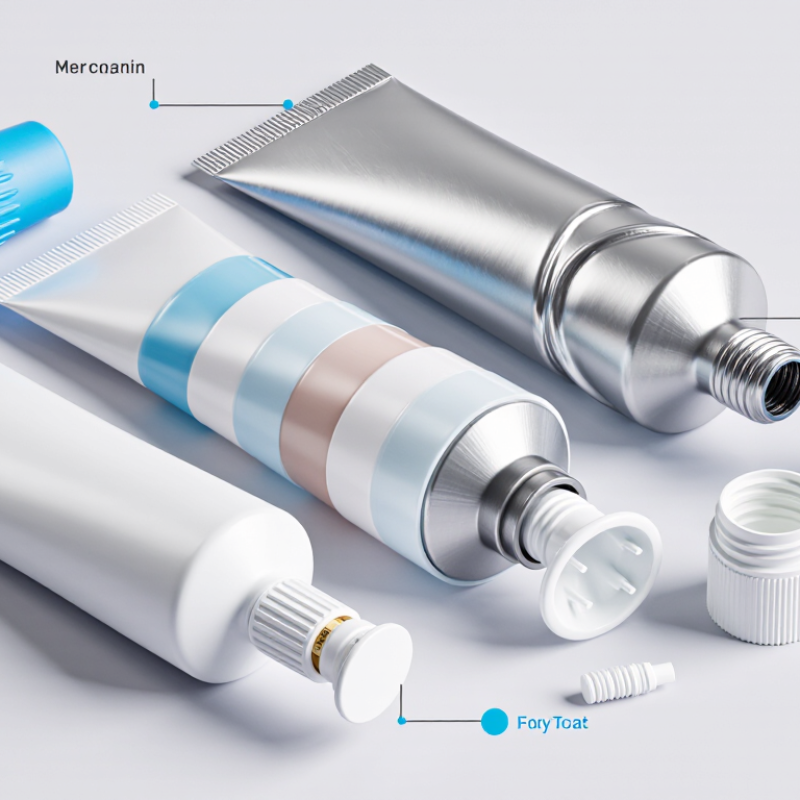
Toothpaste tubes are commonly classified by the material forming their walls. Aluminum tubes provide a strong barrier against air and moisture, and they retain each squeeze as a crease. They can feel firm in the hand. Plastic tubes bend more easily and often spring back after squeezing. Laminated tubes combine layers to balance flexibility, protection, and appearance. The exact barrier depends on the tube’s construction, not simply its outer surface.

Another useful classification is the dispensing closure. Screw caps detach completely, while flip-top caps remain attached and open with a thumb. A narrow opening can help control the amount dispensed, though toothpaste thickness and squeeze pressure matter too. Small details count. Cap shape, hinge strength, and whether the tube rests upright can affect daily use. These features are practical, but no closure suits every person or bathroom setup.

Tubes may also be grouped by size and body design, such as compact travel formats or wider family-size packages. A flattened shoulder, tapered end, or broad base changes how a tube stands and empties. For buyers, compare material, closure, capacity, and handling rather than relying on one label. Recycling options vary by local collection systems and the tube’s layers, so packaging symbols deserve a careful look. Even these categories overlap; a tube can be flexible, laminated, and fitted with a flip-top cap.

Plastic Toothpaste Tubes and Their Key Features

Plastic toothpaste tubes are popular because they are lightweight, squeezable, and resistant to bathroom moisture. Pressing from the sealed end toward the cap helps control the amount dispensed. That matters when hands are wet. Many tubes combine an outer plastic layer, a barrier layer, and an inner surface that contacts the paste. These layers can help limit air and moisture exposure while keeping the package flexible. Still, the exact structure varies.

A sturdy shoulder, sealed tail, and well-fitting cap can help prevent leaks during storage or travel. Caps may flip open or screw on; either should close securely and avoid trapping paste around the rim. Not glamorous, but useful.

One drawback deserves attention: multilayer plastic tubes can be difficult to sort and recycle through ordinary local systems. Some newer designs use mostly one type of plastic, though recycling access differs by region. A material label alone does not tell the whole story. Manufacturers need to test paste compatibility, seal strength, and dispensing over the intended shelf life. Even then, an awkward cap can make daily use less pleasant. Plastic tubes are practical, but not perfect.

Laminated Toothpaste Tubes: Structure and Uses

A laminated toothpaste tube is made from bonded layers rather than one sheet. A common structure combines a printed outer layer, a barrier layer such as EVOH, and an inner sealant layer. Some designs use aluminum foil; others rely on polymer barriers. The choice depends on product needs and manufacturing equipment. The layers form a tube body with a sealed longitudinal seam, shoulder, and cap. Small details matter. Barrier layers can slow oxygen, moisture, and aroma transfer, helping protect paste quality during storage. The shoulder seal also matters: a weak join may leak or let the paste dry. Laminated construction is useful, but it does not automatically make a tube recyclable.

The Flexible Packaging Association’s 2024 State of the U.S. Flexible Packaging Industry report estimated U.S. sales at $42.9 billion in 2023. That figure covers flexible packaging broadly, not toothpaste tubes specifically; it provides market context, not tube-level evidence. Manufacturers use laminated tubes for controlled squeezing, product protection, and a broad area for printed instructions. The tube folds as paste is dispensed. Less paste may remain trapped than in a rigid, wide-mouth container, though the result depends on the tube’s shape and stiffness. Bonded layers can complicate material recovery because they are difficult to separate. Some newer structures use more compatible polymers, but recyclability still depends on local collection and sorting. Check the package instructions.

Aluminum Toothpaste Tubes and Their Distinctive Properties

What Are the Top Types of Toothpaste Tubes?

Aluminum Toothpaste Tubes and Their Distinctive Properties

Aluminum toothpaste tubes are valued for their strong barrier against light, oxygen, and moisture. Their soft metal walls collapse as paste is squeezed out, helping limit air entry. The tube also holds its shape after each squeeze. Handy at the sink. Many designs use an internal coating to separate the toothpaste from the metal, so coating quality matters for product compatibility.

The material’s recycling potential is notable, but it needs context. European Aluminium’s 2022 packaging data reported a 76% recycling rate for aluminum packaging in Europe. That figure covers packaging overall, not toothpaste tubes specifically. Coatings, caps, residue, and local sorting rules can all affect whether a tube is accepted. Not perfect. A material’s general recycling rate cannot promise that every tube will be recycled.

Tips: Check local recycling guidance before placing an aluminum tube in a bin. Empty it as much as practical, and check whether the cap belongs with it. If you are comparing tube types, look beyond the metal: the inner lining and closure also shape performance and end-of-life handling.

How Tube Materials and Designs Compare in Everyday Use

What Are the Top Types of Toothpaste Tubes?

How Tube Materials and Designs Compare in Everyday Use

Toothpaste tubes commonly use aluminum-barrier laminate, plastic-barrier laminate, or mostly polyethylene (PE). Aluminum laminate resists light and oxygen, helping protect the paste, but it tends to keep sharp creases as you squeeze. Plastic laminate feels more flexible and usually springs back, though its mixed layers can complicate recycling. Mono-material PE tubes are designed with recycling in mind and squeeze smoothly. Feel the difference. Caps, shoulders, and leftover paste still affect everyday use.

Recyclability depends on the whole package and local facilities, not just the tube’s main material. The OECD’s Global Plastics Outlook (2022) estimates that only 9% of global plastic waste was ultimately recycled in 2019. That broad figure is not toothpaste-specific, but it puts recycling claims in perspective. A recyclable design may still miss collection, sorting, or processing. This is the awkward part: convenient squeeze performance and easy material separation do not always align.

Tips: Check the tube’s material and local recycling instructions before disposal. Roll from the sealed end toward the cap to push out paste; flattening the tube can reduce trapped leftovers. If a tube has several bonded layers, don’t assume it belongs in curbside recycling. When uncertain, check your local waste authority’s guidance.