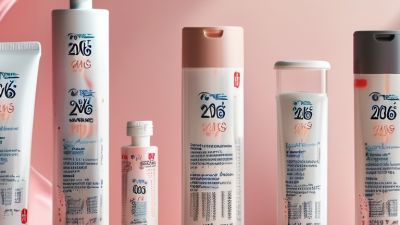
What Are the Best Types of Toothpaste Tubes in 2026?
Choosing the best Toothpaste Tubes in 2026 means looking beyond shelf appeal. The right tube should protect the formula, dispense cleanly, and suit how people actually use it. A tube that stands upright neatly may still frustrate someone squeezing out the last ribbon of paste. Small details matter.
Packaging specialist Lena Morris is a fictional composite, not a real industry source. Her illustrative line captures a useful question: “A better tube is the one that protects the paste and makes everyday use easier.” Treat that as a guiding idea, not a verified quotation. This distinction matters when evaluating packaging claims.
This guide compares common options, including aluminum laminate, plastic, and newer mono-material designs. Each has trade-offs. Barrier performance, flexibility, cap style, seal quality, and manufacturing needs can affect a tube’s suitability. Recycling also depends on local collection systems, so a recyclable label alone does not tell the whole story. Look closely.
We’ll consider what works for family bathrooms, travel kits, and products with specific storage needs. We’ll also flag where evidence is limited and where a practical choice may involve compromise. One design may reduce material complexity but feel harder to squeeze. Another may be convenient but less compatible with available recycling streams. There is no universal winner. The best choice depends on the formula, the user, and the disposal options nearby.

What Toothpaste Tubes Are and How Their Materials Differ
A toothpaste tube is a flexible container designed to protect paste from air, moisture, and mess. Its body, shoulder, and cap may use different materials. That detail matters. A tube can look like one piece while containing several layers.
Many conventional tubes combine plastic with a thin aluminum barrier. The barrier helps limit exposure to air and light, while the plastic layers let the tube squeeze easily. Some newer designs use one type of plastic throughout the tube body, which may be easier to process in recycling systems that accept it. Aluminum tubes can also be recycled where local facilities accept them, though caps and inner coatings may affect sorting. The label alone is not enough. Check local guidance.
Material choice changes how a tube feels in the hand. A multilayer tube may spring back slightly after squeezing; a softer tube can flatten and stay that way. I find that small difference useful at the sink, but it does not prove one material is better for everyone. Barrier performance, ease of dispensing, and local recycling access all matter. Even a recyclable body can be discarded if the collection system cannot handle its format. The details are easy to miss.
How Tube Materials Protect Toothpaste from Air, Light, and Moisture
In 2026, a toothpaste tube’s material affects how well its contents stay protected between uses. Air can enter when a tube is poorly sealed, while moisture loss may thicken the paste. Light exposure can also affect some ingredients. The tube wall, shoulder, seam, and cap all play a part. A tiny gap matters.
Aluminum tubes provide a strong barrier against air, light, and moisture. They are usually opaque, and the metal folds as toothpaste is squeezed out. That can help limit air returning inside, though the tube may crease or split if handled roughly.
Laminated tubes combine plastic layers with a thin barrier layer, often aluminum or a specialized polymer. They can be flexible and resist punctures, but their layered structure may make recycling more complicated. The details vary.
Some tubes use a single type of plastic, which may be easier to sort where local recycling systems accept it. Yet a plastic tube needs suitable barrier properties and an effective seal; “recyclable” alone does not tell the whole story. Check the package instructions and local collection guidance. Look, too, at the cap and seal. Small details count. A well-designed tube balances protection, easy dispensing, and end-of-life handling. There is no perfect option for every formula, and packaging claims deserve a careful read.
Which Toothpaste Tube Types Are Recyclable in 2026
In 2026, the most recyclable toothpaste tubes are usually made from a single type of plastic, such as HDPE or PP. These designs are easier for sorting systems to identify than tubes made from several bonded layers. However, a recyclable material does not guarantee local acceptance. Check your waste provider’s current list before placing a tube in the bin. Not sure? Check locally.
Tips: Squeeze out as much toothpaste as possible. Follow local instructions about rinsing and removing the cap. Leave the tube whole unless your recycling service asks you to separate parts. A thin film of residue can make a difference in some systems.
Some aluminum tubes may be accepted with metal packaging, but their caps and inner coatings can affect processing. Multi-layer plastic-and-metal tubes are often harder to recycle because their materials are difficult to separate. Look for clear packaging guidance, not just a recycling symbol. Those symbols can describe the material without confirming curbside collection. Tube design is improving, but disposal guidance still varies by location. That gap is easy to overlook.
How Tube Design Affects Ease of Use and Product Waste
A toothpaste tube’s shape affects how easily people dispense the last useful amount. A soft tube collapses with light pressure, but it can crease unevenly and trap paste near the sealed end. A flat, stable base helps the tube stand upright on a crowded sink. That small detail matters when wet hands are juggling a toothbrush and a slippery cap.
The closure matters too. A wide flip-top is easier to open with one hand than a tiny screw cap, though it may collect dried paste around its hinge. A nozzle that controls flow can prevent a sudden blob, especially when the paste is runny. Smaller openings are not always better; thick paste can take extra squeezing. Some tubes roll or flatten from the sealed end, pushing paste toward the opening and reducing leftovers. But this takes effort, and not everyone will bother. A design should work without a special trick. Material choices also affect waste, but recyclability depends on local collection systems and the tube’s construction. A practical tube balances easy dispensing, a secure closure, and a shape that lets people use most of the product. Some residue is hard to avoid.
What Are the Best Types of Toothpaste Tubes in 2026?
How tube design can affect ease of use and product waste
This qualitative design comparison uses a 1–5 scale, not consumer-test measurements. Flexible tubes can be easy to squeeze, while tube shape and stiffness affect how much product is left behind. Recycling compatibility depends on the tube’s materials and local collection rules; check local guidance before recycling.
How to Compare Toothpaste Tubes for Your Needs in 2026
Choosing a toothpaste tube in 2026 means balancing protection, ease of use, and disposal—not just picking a material. Laminated plastic tubes are flexible and help shield toothpaste from air and moisture. Aluminum tubes flatten neatly, but they can crease sharply and sometimes split near the cap. Mono-material plastic designs may be easier to recycle in some places, though local collection rules vary. Check your area.
The opening matters more than it seems. A wide cap can be easier to handle with wet hands, while a narrow nozzle may help control the amount dispensed. Small detail, big difference. Look for a secure seal and a cap that stays attached or is easy to keep track of. If toothpaste repeatedly collects around the rim, the design may be frustrating, even when the tube looks convenient on the shelf.
Compare how much paste remains after squeezing, too. A soft tube may be easier to roll from the bottom, while a stiffer one can hold its shape better in a crowded toiletry bag. Consider tube size if you travel, and check whether the packaging instructions match your local recycling options. A quick test at home helps: squeeze a small amount, replace the cap, and see whether the tube stands or leaks. There is no perfect choice. A recyclable design is less useful if it is not accepted nearby, and my own preference can change with the toothpaste inside.