How to Choose the Best Toothpaste Packaging for Your Brand?
Choosing the right toothpaste packaging is essential for your brand's success. The packaging serves not only as a protective layer for the product but also as a critical marketing tool. Attractive and functional toothpaste packaging can influence purchasing decisions.
When considering toothpaste packaging, think about materials, designs, and sustainability. Consumers today are more conscious of eco-friendly options. They might prefer biodegradable or recyclable materials. Additionally, the design must communicate the brand message effectively. Packaging should reflect the quality and benefits of the toothpaste inside.
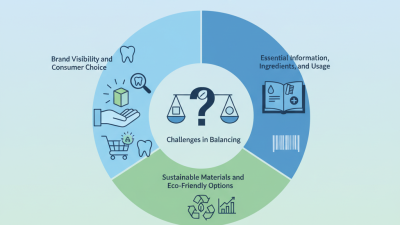
However, achieving the perfect balance can be challenging. Some brands focus too much on aesthetics, neglecting functionality. Others may prioritize cost-cutting over sustainability. Reflecting on these aspects can help you avoid pitfalls. Understanding consumer preferences is key to making informed decisions. In the end, effective toothpaste packaging creates a lasting impression that sets your brand apart.
Identifying Your Target Audience for Toothpaste Packaging
When designing toothpaste packaging, knowing your target audience is crucial. Consider their age, lifestyle, and preferences. Young families may prioritize safety and ease of use. Adults might look for convenience and sustainability. This demographic insight helps shape the perfect packaging design.
Tips: Use simple, clear messaging. Highlight the benefits of the product. Color schemes can evoke emotions. Bright colors attract children, while soft tones appeal to adults. Think about your audience’s needs. Are they eco-conscious? Offer recyclable materials.
Understanding user preferences also involves reflecting on the details. Some users dislike bulky packaging. They prefer tubes that fit easily in their hands. Packaging that stays clean is also favored. Mistakes? Brands often overlook these details. Test your designs and gather feedback. This iterative process can refine your packaging approach.
Understanding Different Types of Toothpaste Packaging Materials
When selecting toothpaste packaging, understanding materials is crucial. Common options include tubes, jars, and eco-friendly containers. Each type has its benefits and drawbacks. For instance, plastic tubes are lightweight and widely used. However, they are not the most sustainable choice.
A study by Smithers Pira indicates that the global toothpaste market is expected to reach $29.4 billion by 2027. This growth emphasizes the need for brands to innovate. Eco-friendly packaging options, such as biodegradable tubes, are gaining traction. Reports show that 62% of consumers prefer sustainable choices. Nevertheless, these products often come with higher production costs.
Moreover, the aesthetics of packaging can drive consumer decisions. A survey found that 73% of individuals are influenced by packaging design. Brands must balance functionality with visual appeal. Selecting materials that resonate with the target audience is essential. However, finding the perfect blend of durability and eco-friendliness remains a challenge for many companies. Brands should continually evaluate their packaging options to enhance appeal while minimizing environmental impact.
Evaluating Sustainability Options in Toothpaste Packaging Design
When considering toothpaste packaging sustainability, brands face important choices. According to a 2022 survey by the Sustainable Packaging Coalition, nearly 75% of consumers prefer eco-friendly packaging. This shift emphasizes the importance of material selection and overall environmental impact.
Plastic waste is a significant concern. Reports show that toothpaste tubes are often not recyclable due to mixed materials. Brands should explore alternatives, such as biodegradable or recyclable options. For instance, tube designs made from plant-based plastics can reduce environmental footprints. Creative solutions align with consumer preferences while addressing waste issues.
**Tip:** Consider using minimal packaging designs. This can decrease material usage and appeal to eco-conscious consumers.
Some brands have successfully adopted refillable systems, allowing customers to reuse containers. This innovation not only reduces waste but also builds brand loyalty. However, packaging systems must remain user-friendly to be effective. Rethinking traditional packaging requires a balance between sustainability and practicality.
**Tip:** Engage consumers in sustainability efforts. Encourage them to participate in recycling programs or return initiatives. This enhances community involvement and demonstrates a commitment to the environment.
Analyzing Market Trends in Toothpaste Packaging Innovations
In recent years, the toothpaste packaging industry has evolved significantly. Innovations in materials and design are emerging. Sustainable packaging is gaining traction. Consumers increasingly demand eco-friendly options. Biodegradable tubes and recyclable materials are trending. Brands that respond to this demand can create a positive image.
Visual appeal remains crucial. Eye-catching designs attract buyers. Unique shapes can enhance shelf presence. However, practical aspects shouldn’t be overlooked. Packaging must protect the product and ensure usability. A beautiful tube that is hard to squeeze may frustrate users. Finding balance is essential.
Market analysis reveals a shift towards minimalism. Clean, simple designs can communicate brand values effectively. Yet, some brands cling to elaborate graphics. This strategy might confuse potential buyers. Continuous testing and feedback are vital. Brands must adapt to consumer preferences or risk losing relevance.
Toothpaste Packaging Innovations Trends
This bar chart represents the percentage of different types of toothpaste packaging innovations adopted in the market over the last few years.
Balancing Functionality and Aesthetics in Packaging Design Choices
When designing toothpaste packaging, aesthetics and functionality must coexist. The visual appeal grabs attention on crowded shelves. A striking design can elevate brand perception. Bright colors or minimalist designs cater to different audiences. However, overly complex graphics may confuse consumers about the product's purpose or benefits.
Functionality ensures the packaging protects the product. It should prevent contamination and leakage. Convenient features, like flip tops or squeezable tubes, attract busy consumers. Yet, durability without sacrificing looks can be a challenge. If the packaging is too flimsy, it might deter potential buyers. Finding the right balance requires careful testing.
Sustainable materials have become essential in design discussions. Eco-friendly packaging reflects growing consumer values. Yet, it can be more expensive to source and produce. Brands face the dilemma of staying trendy while being ecologically responsible. This can lead to choices that prioritize one over the other. Packaging must convey quality but also must resonate with consumers' ideals.
How to Choose the Best Toothpaste Packaging for Your Brand?
| Packaging Type |
Material |
Functionality |
Aesthetic Appeal |
Sustainability |
| Tube |
Plastic/Aluminum |
Easy dispensing, minimizes contamination |
Sleek, modern design |
Partial recycling options |
| Jar |
Glass/Plastic |
Reusable, good for larger quantities |
Chic, premium look |
Recyclable materials |
| Pump Bottle |
Plastic |
Controlled dispensing, less waste |
Sleek and modern |
Limited sustainability |
| Tandem Tube |
Plastic |
Dual formula dispensing |
Unique and eye-catching |
Recyclable materials |
| Carton Box |
Cardboard |
Protective outer layer |
Vintage and eco-friendly look |
Highly recyclable |