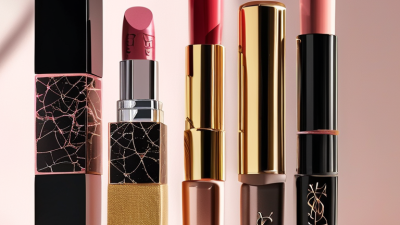
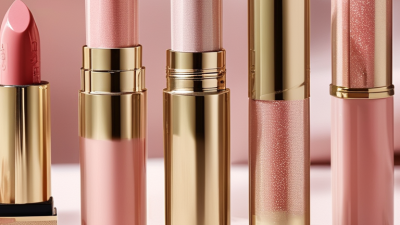
What Are the Top Lip Gloss Tubes for Global Buyers?
Global buyers are asking a sharper question: what makes Lip Gloss Tubes reliable across different markets? The answer involves more than attractive color and a glossy finish. A suitable tube must protect the formula, support smooth application, and survive long-distance shipping.
Cosmetic-packaging specialist Maya Chen explains, “The best Lip Gloss Tubes protect the product quietly, while making every application feel deliberate.” Her observation reflects practical buyer concerns. A flexible tube should dispense without sudden bursts. A clean wiper should remove excess gloss from the applicator. The cap should close firmly, even after repeated opening. Small details matter.
Material choice also deserves careful review. PET, PE, and laminated structures can offer different levels of clarity, softness, barrier performance, and recyclability. Buyers should test formula compatibility before approving large quantities. A highly fragranced gloss may interact differently with packaging than a water-based formula. That difference can appear as odor, swelling, leakage, or surface changes.
Not every popular tube is suitable.
Global sourcing adds further pressure. Buyers need consistent neck finishes, dependable decoration, reasonable minimum order quantities, and clear quality records. Samples should be tested in warm storage, cold transport, and repeated-use conditions. Decoration may look perfect under showroom lights but weaken after rubbing against cartons.
That is easy to overlook.
This guide compares leading Lip Gloss Tubes through a practical lens, including usability, appearance, customization, packaging performance, and supplier reliability. No single design wins every project. A premium brand may prefer a rigid, crystal-clear tube, while a high-volume line may value lighter weight and efficient filling. The better choice is the one that performs honestly from factory to handbag.
How 2024 Global Lip Gloss Market Data Defines Top Tube Formats
2024 Global Lip Gloss Market Data Defines Top Tube Formats
Global buyers are not choosing lip gloss tubes by appearance alone. They compare fill volume, applicator control, shipping safety, and recycling options. A 2024 analysis from McKinsey & Company expects the global beauty market to grow
about 5% annually through 2028.
That growth supports compact, travel-friendly packaging, especially for online sales.
Published 2024 lip gloss estimates differ because researchers classify gloss, lip color, and lip care differently. One market report places the global lip gloss segment
above USD 4 billion in 2024.
This variation deserves caution. Still, purchasing patterns point toward three leading formats: wand tubes for precise application, squeeze tubes for lower-cost distribution, and slim tubes for portable retail sets. Transparent bodies also help buyers inspect shade and remaining volume. Yet, clear plastic can expose formulas to light and may weaken sustainability claims.
Tips:
Ask suppliers for leakage tests, drop tests, and closure torque data. Request samples after transport simulation. A beautiful tube is not enough.
For mass-market orders, a soft squeeze tube with a narrow nozzle can reduce component count and shipping weight. For premium positioning, a doe-foot wand offers a cleaner application experience, but it needs stronger wiper design. Euromonitor’s 2024 beauty reporting also highlights growing consumer attention to responsible packaging. Refillable systems sound attractive, but they can add cleaning and logistics problems. Many buyers overlook this detail. Tube selection should match formula viscosity, climate, retail channel, and local recycling infrastructure.
Which 5–15 mL Tube Capacities Match Leading Retail Lip Gloss SKUs?
For global lip gloss buyers, 5–15 mL tube capacities cover most retail positioning needs. A 5 mL tube suits trial sizes, gift sets, and compact checkout displays. The 8 mL format offers a practical balance between portability and daily use. It often fits trend-led collections without making the package feel oversized.
The 10 mL tube is a dependable core SKU for regular retail shelves. It provides enough product for repeated use while keeping freight volume manageable. A 12 mL tube supports a more generous value impression, especially with a wider applicator. The 15 mL option works for larger formats, professional kits, or high-usage products. However, capacity alone does not determine shelf performance. Tube diameter, shoulder shape, wiper design, and applicator length can change the customer experience. A 10 mL tube may look ideal, yet poor wiper control can cause messy application. That detail is easy to underestimate.
Tips: Ask suppliers for filled samples, not empty tubes. Check actual fill weight, headspace, leakage resistance, and cap alignment. Compare the tube beside your target shelf layout. A 5 mL package can appear premium, but it may feel too small beside larger competitors. Conversely, 15 mL may increase perceived value while raising shipping and storage costs. Test several capacities before approving production. One early assumption may be wrong.
Why PCR Plastic and Aluminum Rank High in Sustainable Packaging Data
What Are the Top Lip Gloss Tubes for Global Buyers?
Why PCR Plastic and Aluminum Rank High in Sustainable Packaging Data
Global buyers often compare lip gloss tubes through three details: material origin, durability, and end-of-life options. PCR plastic uses recovered plastic instead of only virgin resin. It can reduce demand for new fossil-based material when the recycled content is verified. However, PCR quality may vary between batches. Color, clarity, and odor can change slightly.
A practical packaging assessment should include resin certificates, supplier traceability, and production samples. Check the tube after filling, squeezing, and transport simulation. A beautiful sample is not enough. PCR plastic can support familiar manufacturing systems, but it may need careful testing around sealing and applicator fit. These small failures can create product waste, which weakens its environmental advantage.
Aluminum ranks high because it is durable, lightweight, and widely recyclable in established collection systems. Its rigid surface also gives lip gloss packaging a premium feel without excessive thickness. Yet aluminum production requires substantial energy, and tubes may include plastic liners or coatings. That detail is easy to miss. Buyers should review the full component structure, recycled aluminum percentage, coating safety data, and regional recycling guidance. The most reliable choice is not automatically the most sustainable one. It depends on verified material data, efficient filling, long product life, and realistic recovery conditions.
Why PCR Plastic and Aluminum Rank High in Sustainable Packaging Data
PCR plastic supports circular sourcing, while aluminum performs strongly in recycling efficiency and packaging recovery. The chart uses publicly reported percentage indicators; each indicator measures a different sustainability attribute and should not be treated as a single composite score.
Sources: OECD, Global Plastics Outlook (2022); European Commission Packaging and Packaging Waste Regulation recycled-content benchmark; U.S. Environmental Protection Agency, recycling energy savings data; Eurostat, EU packaging waste statistics for 2022.
How ISO 22715 and EU Cosmetic Rules Shape Export-Ready Tube Designs
Global buyers often judge lip gloss tubes by more than appearance. ISO 22715 offers useful guidance for cosmetic packaging and labelling, but it is not an EU approval certificate. Export-ready designs must also support Regulation (EC) No. 1223/2009 requirements. The tube should provide clear space for ingredients, net content, precautions, durability information, and the responsible person’s address. Small typography can create serious problems.
A reliable tube begins with product compatibility testing. Labs should examine gloss separation, odor transfer, color change, leakage, and applicator performance. The nozzle needs controlled dispensing, while the cap should close firmly without damaging the thread. Batch codes must remain readable after filling and transport. EU markets may require several languages, so a wrap-around label or carton can protect legibility. Packaging materials should also be reviewed for restricted substances and potential migration.
ISO 22715 is helpful here.
In practical sourcing, buyers should request dimensional drawings, material declarations, test records, and sample-filled tubes. Empty samples are not enough. A formula may soften an internal liner or stain a transparent wall after weeks of storage. This is where many designs need a second review. Tamper evidence can improve consumer confidence, yet it may increase waste and assembly time. A better design balances compliance, protection, usability, and realistic production limits. Even a beautiful tube can fail if its label area is too narrow for every required detail.
Which Tube Specs Balance MOQ, Fill Accuracy, and Global Landed Cost?
What Are the Top Lip Gloss Tubes for Global Buyers?
For global buyers, tube selection starts with measurable trade-offs. A slim 5 ml tube may reduce freight volume, but it can increase filling sensitivity. A 10 ml tube often supports better line efficiency and fewer changeovers. The right choice depends on demand, formula viscosity, and destination markets.
Grand View Research valued the global lip care products market at approximately USD 4.5 billion in 2023. Its forecast also points to continued growth through 2030. This supports larger purchasing programs, but not every buyer should accept a high MOQ. A practical starting range is 10,000 to 30,000 units per design. Smaller runs may carry higher unit costs, while excessive inventory can tie up cash and packaging space.
Fill accuracy needs equal attention. A 0.1 ml variance matters more in a 5 ml tube than in a 15 ml tube. Buyers should request production records, fill-weight sampling, and compatibility tests before approval. The PMMI report “Global Packaging Trends” highlights automation, efficiency, and waste reduction as major packaging priorities. However, automated filling does not remove setup errors. Human inspection still catches defects that equipment may miss.
Landed cost includes tooling, cartons, freight, duties, breakage, and rejected units. Smithers’ packaging forecasts continue to emphasize material efficiency and supply-chain resilience. Lightweight tubes can lower freight costs, but overly thin walls may dent during long transit. I would not choose the cheapest specification first. My own buying experience suggests testing two tube sizes, even when the decision feels obvious. That extra trial can reveal hidden leakage or poor applicator fit.
What Are the Top Lip Gloss Tubes for Global Buyers?
Which Tube Specs Balance MOQ, Fill Accuracy, and Global Landed Cost?
| Tube Format |
Typical Material |
Nominal Fill
Capacity |
Typical MOQ
per SKU |
Filling Accuracy
with Standard Line |
Indicative Empty
Tube Cost |
Estimated Global
Landed Cost* |
Production Lead
Time |
Best Balance For |
| Standard Round Doe-Foot Tube |
PETG body, PP or ABS cap, flocked applicator |
4.0–5.5 ml |
5,000–10,000 pcs |
±0.05–0.10 g |
US$0.18–0.38 |
US$0.30–0.62 |
25–40 days |
Most private-label launches and repeat orders |
| Slim Travel Tube |
PETG or AS body, PP cap, doe-foot applicator |
2.0–3.0 ml |
10,000–20,000 pcs |
±0.04–0.08 g |
US$0.15–0.30 |
US$0.26–0.52 |
25–40 days |
Sampling programs, travel retail, and lower fill commitments |
| Soft-Touch Square Tube |
PETG or AS body with soft-touch coating, PP cap |
4.5–6.0 ml |
10,000–20,000 pcs |
±0.05–0.10 g |
US$0.28–0.55 |
US$0.42–0.82 |
35–50 days |
Premium appearance where moderate MOQ is acceptable |
| Squeeze Applicator Tube |
LDPE or laminated PE body, PP nozzle or sponge tip |
5.0–10.0 ml |
10,000–30,000 pcs |
±0.08–0.15 g |
US$0.12–0.28 |
US$0.22–0.48 |
30–45 days |
High-volume, cost-sensitive products and gloss balms |
| Recycled-Content PETG Tube |
PCR PETG body, PP cap, doe-foot applicator |
4.0–5.5 ml |
20,000–50,000 pcs |
±0.05–0.10 g |
US$0.24–0.48 |
US$0.38–0.74 |
40–60 days |
Sustainability-led ranges with predictable repeat demand |
| Custom-Molded Premium Tube |
PETG, AS, or acrylic body with custom cap and applicator |
5.0–8.0 ml |
30,000–100,000 pcs |
±0.05–0.10 g |
US$0.45–1.20 |
US$0.68–1.65 |
60–90 days |
Differentiated packaging with strong forecast volume |
Benchmark assumptions: Indicative 2025–2026 industry ranges for standard cosmetic packaging orders sourced internationally. Landed-cost estimates include the empty component, standard decoration, export packing, ocean freight allocation, basic insurance, and typical duty/handling allowances; actual costs vary by origin, destination, Incoterm, freight mode, tariff classification, order volume, decoration, and exchange rate.
Accuracy note: Fill accuracy depends on product viscosity, temperature, dosing equipment, tare control, and quality sampling. Values shown represent normal production targets rather than a guaranteed specification. Final quotations should confirm net fill tolerance, component weight, leakage testing, decoration yield, and carton dimensions.