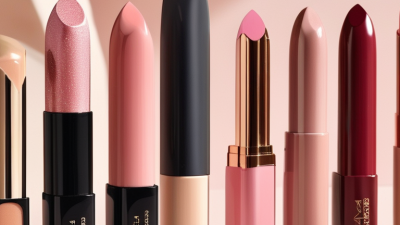
China Top Tube Lip Gloss Manufacturers for Global Buyers?
China’s Tube Lip Gloss manufacturers are attracting global buyers with flexible packaging, efficient production, and increasingly refined cosmetic finishing. Their factories now support soft-touch tubes, metallic effects, transparent windows, angled applicators, and custom color matching. These details matter. A glossy tube must look attractive, feel comfortable, and protect the formula during transport.
Packaging Europe’s packaging specialist Tim Sykes once remarked, “Packaging is part of the product experience, not merely a container.” This principle fits Tube Lip Gloss especially well. The tube meets the consumer’s hand before the formula reaches the lips. Its nozzle controls dosage. Its cap must close firmly. Its surface should resist scratches, oil, and color fading. Small weaknesses become visible quickly.
Global buyers should examine more than catalog images. They need evidence of material consistency, filling accuracy, decoration durability, and production traceability. Ask for samples from actual production lines. Test leakage after squeezing. Check whether the applicator delivers an even layer. Confirm documentation for cosmetic packaging compliance in the target market.
Factory visits can reveal useful details, but they do not prove everything. Samples can also mislead. This is where careful evaluation matters. Some manufacturers communicate clearly, while others provide vague answers about resin grades or testing procedures. Buyers should compare technical data, lead times, minimum order quantities, and quality controls.
China offers strong opportunities. Yet the best supplier is not always the cheapest. Reliability is built through transparent communication, repeatable quality, and practical problem-solving. A thoughtful sourcing process can turn Tube Lip Gloss packaging into a stronger brand experience. Mistakes still happen. Good manufacturers acknowledge them and improve.
What Are Tube Lip Gloss Products and Why Do Global Buyers Choose Them?
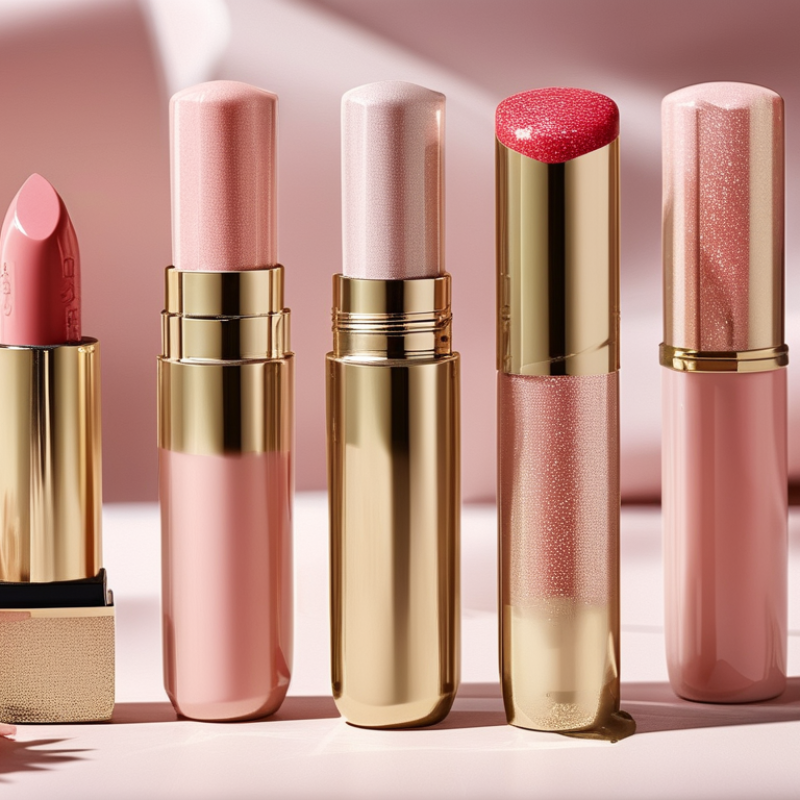
Tube lip gloss is a liquid lip product packed in a squeezable or applicator-ready tube. It may include a doe-foot wand, brush, or precision nozzle. The tube protects the formula from direct handling and supports controlled application.
Global buyers often choose Chinese tube lip gloss manufacturers for flexible production and competitive export pricing. Custom tube sizes, shoulder shapes, colors, and printing can support different market positions. According to Grand View Research, the global cosmetics packaging market was valued at approximately USD 32.7 billion in 2023. Its forecast also indicates steady growth through 2030. This supports continued demand for practical, customizable packaging. However, packaging data rarely separates lip gloss tubes from other cosmetic formats. That limitation deserves attention. A beautiful tube can still fail if its applicator leaks or feels weak.
Tips: Ask for compatibility testing with the actual gloss formula. Check viscosity, drying time, odor, color migration, and seal performance. Request samples from different production batches. Review material specifications, factory quality records, and export experience. In real sourcing projects, small details matter. A soft tube may improve squeezing, but it can also create uneven dosage. Confirm filling accuracy, decoration durability, and carton protection before placing a large order. Supplier audits and third-party testing can reduce avoidable risks.
How to Identify China’s Leading Tube Lip Gloss Manufacturers
China Top Tube Lip Gloss Manufacturers for Global Buyers?
How to Identify China’s Leading Tube Lip Gloss Manufacturers
Finding a capable tube lip gloss manufacturer requires more than reviewing attractive product photos. Look beyond the catalog. Request factory details, production videos, and recent quality records. A reliable supplier should explain tube materials, applicator options, filling processes, and decoration limits clearly.
Ask for samples from current production lines, not only showroom pieces. Samples reveal reality. Check cap alignment, tube flexibility, print sharpness, leakage resistance, and gloss texture. Compare several batches when possible. Small differences may expose weak process control. Confirm whether the manufacturer performs viscosity checks, weight checks, and visual inspections during filling. These details show practical manufacturing discipline.
A professional factory should provide traceable documentation and communicate limitations honestly. Review material specifications, packaging test reports, and documents relevant to your destination market. Confirm minimum order quantities, sampling fees, lead times, and corrective-action procedures in writing. An experienced export team can explain customs packaging and shipping preparation without making unrealistic promises. A polished showroom can still hide inconsistent production. That possibility deserves attention. Some suppliers may also rely heavily on subcontractors, so ask which stages occur in-house. During evaluation, judge both technical evidence and communication quality. Delayed answers, vague tolerances, or changing quotations can signal future problems. The strongest manufacturer is not always the cheapest; it is the one that can repeat quality across real orders.
What Manufacturing Standards Should International Buyers Evaluate?
International buyers should evaluate tube lip gloss manufacturers against documented production standards, not attractive samples alone. McKinsey’s 2023 State of Fashion: Beauty report projects the global beauty market could reach about $580 billion by 2027. That scale increases pressure on traceability, consistency, and responsible sourcing.
ISO 22716 is a useful benchmark for cosmetic good manufacturing practices, covering hygiene, batch records, training, and quality control. However, certification alone proves little. Ask for recent audit reports, raw-material certificates of analysis, microbial test results, and retained-sample procedures. Check whether each tube is tested for leakage, cap torque, print adhesion, and formula compatibility. A gloss tube may look perfect, then swell after weeks of contact with oils or flavor compounds. Small detail.
Manufacturers should also demonstrate controlled filling conditions and calibrated equipment. Request records showing fill-weight accuracy and batch-to-batch viscosity control. For international shipments, transport testing based on recognized methods, such as ASTM D4169, can reveal crushed shoulders, loose caps, or seal failure. Packaging migration and restricted-substance screening deserve attention, especially when gloss touches skin repeatedly. The EU Commission’s CosIng database and applicable regional cosmetic rules can support ingredient reviews, but buyers must verify the destination market independently. I would not rely on a supplier’s single “compliant” statement. It is convenient, but incomplete. A factory visit, video audit, or independent laboratory check may expose gaps that paperwork hides.
| Evaluation Dimension | Relevant Standard or Regulation | International Buyer Benchmark | Required Supplier Evidence | Recommended Verification Method | Priority |
|---|---|---|---|---|---|
| Cosmetic Good Manufacturing Practice | ISO 22716:2007 Cosmetics — Good Manufacturing Practices | Documented controls for personnel hygiene, raw materials, production, filling, packaging, storage, sanitation, complaints and product release. | Current ISO 22716 certificate or equivalent GMP documentation; controlled SOP list; batch manufacturing and cleaning records. | Review documents, inspect production and filling areas, and trace one completed batch from incoming materials to shipment. | Critical |
| Quality Management System | ISO 9001:2015 | Controlled procedures for design changes, purchasing, nonconformities, corrective actions, calibration and customer complaints. | Valid certificate issued by an accredited certification body; internal audit and corrective-action records. | Check certificate scope and validity, then sample quality records from recent production orders. | High |
| Packaging Material Safety | EU Regulation (EC) No. 1223/2009; REACH Regulation (EC) No. 1907/2006; applicable destination-market rules | Tube resin, applicator, adhesive, ink and coating should be suitable for cosmetic contact and should not introduce restricted substances above applicable limits. | Material declarations, supplier declarations of conformity, technical data sheets, safety data sheets and restricted-substance test reports. | Verify material composition, test reports and traceability of resin and colorant batches; request testing from an independent laboratory where needed. | Critical |
| Product Microbiological Quality | ISO 17516:2014 Cosmetics — Microbiology — Microbiological limits | Finished lip gloss should meet the applicable microbial limits for cosmetic products, with special attention to specified microorganisms and product risk level. | Finished-product microbiological test reports; preservative challenge-test or antimicrobial protection data where applicable; environmental monitoring records. | Use an accredited laboratory and confirm that the tested formula, package and production batch match the supplied product. | Critical |
| Packaging Compatibility | Buyer-approved compatibility protocol; cosmetic stability and packaging assessment practices | No leakage, swelling, cracking, discoloration, odor transfer, applicator deterioration or unacceptable formula change during the agreed storage period. | Compatibility study using the actual formula, tube, wiper, stopper, applicator and decoration; photographs and test-condition records. | Review accelerated and real-time results, including elevated-temperature, low-temperature and repeated-opening tests. | Critical |
| Leakage and Seal Integrity | Buyer-defined packaging specification; validated internal test method | Container and closure remain sealed after filling, capping, transport simulation and temperature cycling; no visible product leakage is acceptable. | Leak-test procedure, equipment calibration records, test results and defined acceptance criteria for each component size. | Perform visual inspection, inversion testing, pressure or vacuum testing where appropriate, and transport-condition simulation. | Critical |
| Dimensional and Functional Control | ISO 2859-1:1999 sampling procedures for inspection by attributes; approved product drawing | Tube capacity, wall thickness, neck dimensions, wiper fit, applicator insertion force, cap torque and dispensing performance must conform to the approved specification. | Controlled drawings, inspection standards, first-article approval, dimensional inspection reports and calibrated measuring-equipment records. | Measure samples from each production lot and use a contract-defined AQL plan; common commercial plans may use separate limits for critical, major and minor defects. | High |
| Transport and Distribution Durability | ASTM D4169 distribution-cycle testing or an equivalent buyer-approved protocol | Finished packs should withstand vibration, compression, impact and handling conditions expected in international sea, air or road transport. | Packaging configuration drawing, palletization specification, distribution-test report and post-test inspection record. | Test the final commercial configuration, including cartons, dividers, labels and shipping cases, rather than an empty sample pack. | High |
| Batch Traceability and Recall Readiness | ISO 22716 traceability principles; destination-market cosmetic requirements | Raw materials, packaging components, operators, equipment, inspection results and finished goods should be traceable by lot or batch number. | Batch coding procedure, material receiving records, production records, shipment records and mock-recall results. | Conduct a traceability exercise from a finished-unit code back to component lots and forward to shipment destinations. | Critical |
| Regulatory Documentation for Export Markets | EU Regulation (EC) No. 1223/2009; U.S. MoCRA requirements; destination-market regulations | Supplier should support the buyer’s responsible-person, product-information-file, facility-registration, adverse-event and labeling obligations where applicable. | Full ingredient information using INCI names, specifications, stability data, safety documents, manufacturing details and export documentation. | Have the importer or regulatory specialist review the complete dossier before commercial production and market launch. | Critical |
| Color, Decoration and Print Durability | Approved artwork and color standard; buyer-defined rub, adhesion and chemical-resistance tests | Printed graphics, metallic finishes and coatings should remain legible and attached after rubbing, handling, contact with formula and agreed environmental exposure. | Approved color standard, artwork revision record, ink and coating specifications, print inspection report and durability-test results. | Compare production samples with the approved master; perform rub, tape-adhesion and formula-contact tests on the finished decorated component. | High |
| Change Control and Ongoing Consistency | ISO 9001:2015; ISO 22716:2007 | No change to resin, formula, mold, applicator, decoration, manufacturing site or critical process without prior notification and approval. | Formal change-control procedure, approved change-notification form, validation results and retained samples. | Review recent changes and compare retained samples, specifications and batch records across multiple production lots. | High |
How to Compare Customization, Pricing, and Minimum Order Requirements
China Top Tube Lip Gloss Manufacturers for Global Buyers?
When comparing tube lip gloss manufacturers, examine customization, pricing, and minimum order requirements together. A tube may need a specific volume, applicator shape, cap finish, color, or printed artwork. Ask for physical samples before approving mass production. Check the tube’s sealing quality, squeeze response, print alignment, and compatibility with the formula. These small details often affect user experience more than a polished catalog image.
Pricing requires more than comparing the quoted unit cost. Request a written breakdown covering sample fees, artwork setup, tooling, packaging, inspection, shipping, and payment terms. Ask whether the price changes at different order quantities. A lower quote can hide expensive setup charges or limited customization. I would also confirm production lead time in writing. Delays can affect seasonal launches. Some assumptions may still be wrong, so leave time for one correction round.
Tips: Compare at least three detailed quotations. Set a realistic MOQ for your sales forecast. Request samples from the same material and decoration process. Check whether unused packaging creates extra storage costs. A smaller trial order may cost more per unit, but it can reveal leakage, color differences, or weak printing before a larger commitment.
What Is the Process for Sourcing Tube Lip Gloss from China?
Sourcing tube lip gloss from China starts with a precise product brief. Define the shade range, tube size, applicator type, finish, target price, and annual volume. A vague request often produces vague quotations. It also hides important cost differences.
Market data supports careful planning. Grand View Research reported that the global lip care products market exceeded USD 4 billion in 2023. Meanwhile, packaging remains a major purchase factor in color cosmetics. Buyers should request supplier profiles, factory photographs, production capacity, and ISO 22716 or equivalent quality records. Ask whether filling, printing, and assembly happen in one facility. They often do not.
Request laboratory samples before discussing large orders. Check pigment uniformity, odor, leakage, drying time, applicator comfort, and tube compatibility. Record every change in a signed specification sheet. A pre-production sample should match the approved sample, not merely look similar. Independent inspection can verify quantity, labeling, carton strength, and random product performance. It costs more, but one failed shipment costs more.
Compliance needs separate attention. Each destination may require ingredient documentation, safety assessments, claims support, and language-specific labels. The International Organization for Standardization identifies ISO 22716 as a useful cosmetics GMP framework, but certification alone does not prove product quality. Review the formula and test reports yourself. I once treated a supplier’s polished presentation as evidence of reliability. That was a mistake. Confirm payment terms, lead time, minimum order quantity, Incoterms, and corrective-action procedures in writing. The process is practical, but rarely perfect.
Related Posts
-
2026 Top Tube Lip Gloss Trends What Buyers Should Know
-
2026 How to Choose the Best Tube Lip Gloss for Your Needs?
-
The Future of Squeeze Tube Lip Gloss Innovations and Trends
-
The Ultimate Guide to Choosing the Perfect Squeeze Tube Lip Gloss for Your Brand
-
2026 How to Choose the Best Lip Gloss Tubes for Your Beauty Brand?
-
How to Choose the Best Squeeze Tube Lip Gloss for Your Needs