Your Trusted Partner for Extruded & Laminated Packaging Tubes | Est. 2004
Leave Your Message
EMILY Cosmetic Tube Packaging Launches Production-Friendly Tube Solution

10 Best Cosmetic Tubes for Skincare Brands?

Choosing the right Cosmetic Tubes can influence product protection, consumer trust, and repeat purchases. A skincare tube must do more than look attractive on a shelf. It should protect sensitive formulas, dispense cleanly, and feel comfortable in the hand.

Grand View Research reported that the global cosmetic packaging market reached approximately US$32.86 billion in 2022. Its report also projects continued growth through 2030. Meanwhile, Smithers identifies sustainability, lightweighting, and improved barrier performance as major packaging directions. These figures matter, but they do not answer every practical question. A tube may use recycled plastic and still feel difficult to empty.

As David Luttenberger, Global Packaging Director at Mintel, has stated, “Packaging is part of the product experience.” That idea is especially relevant to skincare. A soft-touch tube beside a bathroom sink communicates differently from a rigid, glossy tube in a travel bag. Material choice, shoulder shape, cap design, seal integrity, decoration, minimum order quantity, and filling compatibility all deserve attention.

This guide examines ten Cosmetic Tubes suitable for skincare brands. The comparison considers usability, formula protection, visual appeal, sustainability claims, and manufacturing practicality. Some options appear greener than they are. Others may cost more but reduce waste during daily use. That trade-off needs honest review. No package is perfect. The best choice depends on the formula, customer, production scale, and brand promise.
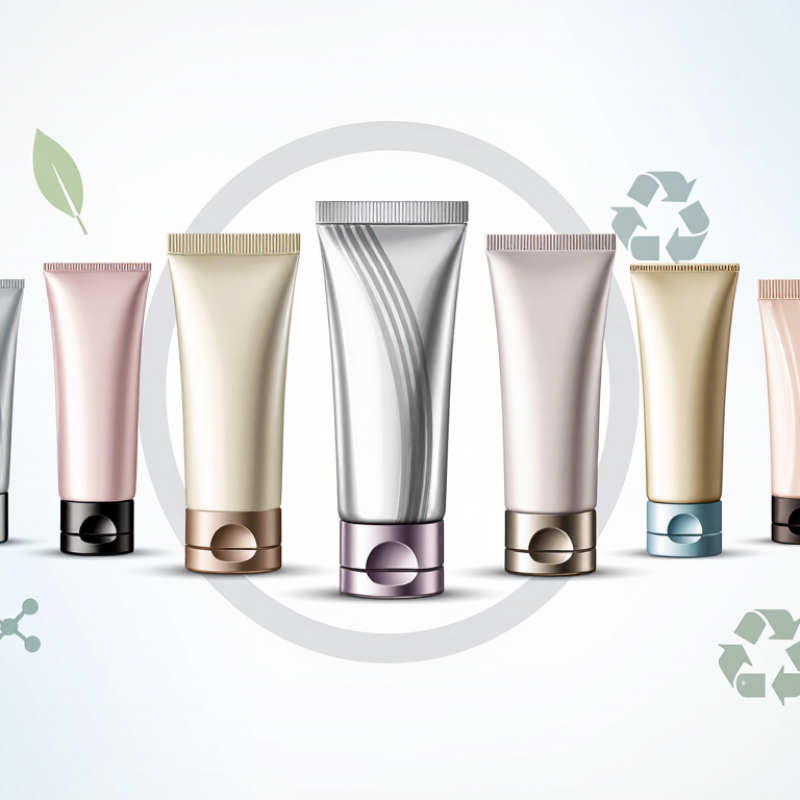
10 Best Cosmetic Tubes for Skincare Brands?

What Makes a Cosmetic Tube Suitable for Skincare Products

A suitable cosmetic tube starts with product behavior, not appearance. Skincare formulas may contain oils, acids, botanical extracts, or sensitive active ingredients. Each formula can interact differently with packaging materials. Polyethylene tubes offer flexibility and reliable squeezing. Laminated structures can provide stronger protection against oxygen and light. For light-sensitive formulas, an opaque tube may be more practical than a clear one.

In packaging reviews, I check compatibility before approving decoration or shape. The tube should preserve texture, color, scent, and performance during storage. I also examine the shoulder seal, nozzle opening, and closure fit. Small gaps can invite leakage or contamination during daily use. Dose control matters too. A narrow orifice can reduce waste and keep application cleaner. It sounds simple. It is not always simple.

In packaging reviews, I check compatibility before approving decoration or shape. The tube should preserve texture, color, scent, and performance during storage. I also examine the shoulder seal, nozzle opening, and closure fit. Small gaps can invite leakage or contamination during daily use. Dose control matters too. A narrow orifice can reduce waste and keep application cleaner. It sounds simple. It is not always simple.

A dependable tube should survive transport, repeated squeezing, temperature changes, and accidental drops. Testing may include leak checks, drop testing, torque testing, and accelerated aging. I once focused too heavily on attractive printing and underestimated squeeze force. The design looked refined, but older users found it difficult to use. That experience changed my evaluation process. Sustainability also requires careful judgment. A lighter tube may reduce material use, yet a barrier layer can be necessary for formula stability. The best choice balances protection, usability, manufacturing consistency, and realistic recycling conditions.

Squeeze Tubes for Lightweight Lotions and Daily Moisturizers

Squeeze tubes are practical for lightweight lotions and daily moisturizers. Their flexible walls help users control each dose without touching the remaining product. This matters when a moisturizer is used every morning, after cleansing, or during travel. Less mess.

A narrow dispensing opening supports cleaner application and reduces unnecessary exposure to air. Flip-top caps also make one-handed use easier, especially beside a sink. For fluid lotions, the tube should stand securely or dispense smoothly from the cap end. A package that collapses too quickly can feel cheap and frustrate users. Small details matter.

Material selection requires more than choosing a familiar plastic. Polyethylene and polypropylene tubes can offer useful flexibility, but compatibility testing remains essential. A formula may soften the tube, affect its barrier performance, or change the product’s scent over time. Packaging evaluations should include heat, cold, pressure, leakage, and repeated opening tests. Fill trials can reveal problems that samples hide.

The best cosmetic tube is not always the lightest one. A thinner wall may reduce material use, yet it can crease badly or fail during shipping. Recyclability also needs careful review because caps, labels, and mixed materials may complicate processing. I would avoid promising perfect sustainability without verified supply-chain data. A polished tube still needs honest testing. Consumer handling, shelf stability, and production consistency should guide the final choice.

10 Best Cosmetic Tubes for Skincare Brands? - Squeeze Tubes for Lightweight Lotions and Daily Moisturizers

No. Tube Type Common Material Typical Capacity Best for Dispensing & Closure Barrier Performance Key Advantage
1 LDPE Squeeze Tube Low-density polyethylene (LDPE) 30–250 ml Daily lotions, body moisturizers, hand creams Easy squeeze; flip-top or screw cap Basic moisture and contamination protection Soft, lightweight, and cost-effective
2 HDPE Squeeze Tube High-density polyethylene (HDPE) 30–200 ml Light lotions, cleansers, sensitive-skin formulas Moderate squeeze; flip-top or disc-top cap Good chemical and moisture resistance More rigid and durable than LDPE
3 PCR Plastic Tube Post-consumer recycled PE, usually blended with virgin PE 30–150 ml Daily moisturizers and sustainability-focused ranges Squeeze dispensing; flip-top or screw cap Comparable to the selected PE structure Can reduce reliance on virgin plastic
4 Mono-Material PE Tube Polyethylene tube and polyethylene closure 30–200 ml Moisturizers and lotions designed for simplified packaging Smooth squeeze; flip-top or screw cap Good for standard water-based skincare formulas Simpler material composition than mixed-material tubes
5 Airless Squeeze Tube Multi-layer plastic, commonly PE or PP components 15–100 ml Preservative-sensitive lotions and active skincare formulas Controlled squeeze; one-way valve or airless mechanism Improved protection from air exposure and backflow Helps minimize product residue and oxidation exposure
6 Barrier Laminate Tube Plastic laminate with an EVOH or foil barrier layer 30–150 ml Light-sensitive or oxygen-sensitive lotions Squeeze dispensing; flip-top or screw cap High oxygen, aroma, and light protection, depending on layer Useful when formula stability requires enhanced protection
7 Aluminum Barrier Tube Aluminum with an internal protective lacquer 15–150 ml Light-sensitive creams and high-barrier treatments Firm squeeze; screw cap or flip-top cap Excellent protection from light, oxygen, and moisture Strong barrier performance for demanding formulas
8 Sugarcane-Based PE Tube Bio-based polyethylene made partly from sugarcane-derived feedstock 30–200 ml Light lotions and environmentally positioned skincare lines Standard squeeze; flip-top or screw cap Similar performance to conventional PE when equivalently constructed Uses renewable feedstock while remaining plastic-based
9 Travel-Size Tube LDPE, HDPE, or laminate plastic 10–30 ml Trial sizes, travel kits, and sample distribution Small orifice; flip-top, screw cap, or snap cap Depends on the selected tube material and barrier layer Portable format that supports controlled trial usage
10 Precision-Orifice Tube LDPE, HDPE, or laminated plastic 15–100 ml Light lotions, targeted moisturizers, and concentrated treatments Narrow opening; screw cap or flip-top cap Standard moisture protection; optional laminate barrier Helps regulate dosage and reduce unnecessary product use

Specifications are typical industry ranges. Actual capacity, barrier performance, closure compatibility, and recyclability depend on the final tube construction, formula, filling process, and local recycling infrastructure.

Airless Tubes for Serums and Sensitive Skincare Formulas

10 Best Cosmetic Tubes for Skincare Brands?

Airless Tubes for Serums and Sensitive Skincare Formulas

Airless tubes suit serums, barrier creams, and other oxygen-sensitive formulas. Their internal piston moves upward as product leaves the package. This limits backflow and reduces repeated air exposure. It also supports cleaner dosing around the bathroom sink. Small details matter.

Grand View Research valued the global skincare products market at approximately 155.7 billion dollars in 2023. Its report also projects continued growth through 2030. As skincare becomes more active and concentrated, packaging needs stronger protection. Airless tubes can help preserve formula consistency, but they are not magic. Compatibility testing remains essential.

According to Smithers’ sustainable packaging research, brands face increasing pressure to reduce material use and improve recyclability. A lightweight airless tube may reduce shipping weight, yet its pump structure can complicate recycling. This is where professional judgment matters. Teams should test oxygen transmission, dose accuracy, leakage, and formula interaction under heat and cold conditions. ISO 22716 good manufacturing practices also support controlled filling and packaging processes.

A practical trial might involve leaving filled tubes at 40°C for several weeks. Check color, scent, viscosity, and dose performance. Some formulas still oxidize. Some pumps eventually misfire. That inconvenient result is useful. It prevents attractive packaging from hiding a weak protection strategy.

Specialized Tubes for Creams, Masks, and Exfoliating Products

10 Best Cosmetic Tubes for Skincare Brands?

Specialized Tubes for Creams, Masks, and Exfoliating Products

The right cosmetic tube protects the formula and controls each application. Creams usually need soft, flexible tubes with smooth, narrow openings. This helps users apply a small amount without touching the remaining product. For richer formulas, a wider opening may prevent clogging. However, it can also encourage overuse.

Clay masks and thick treatment masks need stronger tube walls. A stable tube should stand securely on a bathroom shelf. Flip-top caps help users open the package with wet hands. Airless tube designs can reduce exposure to air and fingers. That matters when a formula contains oxidation-sensitive ingredients.

Exfoliating products require careful dispensing. A small nozzle supports measured use around the face. Rough particles can block narrow openings, though. This is an easy detail to miss during early sampling. Packaging teams should test viscosity, particle size, seal strength, and cap performance together. Compatibility testing also checks whether the formula softens, stains, or weakens the tube.

Material choice affects both protection and user experience. Laminated structures often provide strong barrier performance, while mono-material options may support simpler recycling streams where facilities exist. Claims should match verified testing and local packaging rules. No tube is perfect. A visually attractive package may still waste product or feel awkward in daily use. Pilot testing with real users can reveal those problems before launch.

How to Select the Best Cosmetic Tube for Your Skincare Brand

10 Best Cosmetic Tubes for Skincare Brands?

How to Select the Best Cosmetic Tube for Your Skincare Brand

Selecting a cosmetic tube starts with the formula, not the artwork. A rich cream may need a wider opening and stronger shoulder support. A thin serum may require a narrow orifice for controlled dispensing. I have found that a tube can look excellent on screen, yet feel awkward during real use. Test it with wet hands, not just clean samples.

Check material compatibility before approving the design. Oils, acids, fragrances, and active ingredients can affect plastic flexibility or barrier performance. Ask suppliers for technical data, material declarations, and stability-test results. Conduct temperature cycling and leakage tests before filling production units. Small failures become expensive when thousands of tubes are packed.

The closure also shapes the customer experience. A flip-top supports quick bathroom use, while a screw cap can offer a more secure seal. Consider tube diameter, grip, shoulder shape, and label readability. A matte surface may feel refined, but it can show fingerprints or scuff during shipping. I once preferred a premium finish that looked impressive in samples. It performed poorly in transit. That mistake changed my testing process.

Evaluate recycled content, recyclability, and decoration methods with evidence. Avoid vague environmental claims. Request clear supply information and confirm whether the chosen structure fits local recycling systems. Run a small pilot batch before committing. Real feedback often exposes details that a specification sheet misses.