2025 Top Trends in Plastic Bottle Packaging You Need to Know
In the evolving landscape of consumer goods, the significance of Plastic Bottle Packaging cannot be overstated. As highlighted in the Global Packaging Trends Report 2023, the plastic bottle packaging sector is projected to grow at a compound annual growth rate (CAGR) of 4.5% from 2023 to 2025. This growth is driven by increasing demands for lightweight, cost-effective packaging solutions that also prioritize sustainability. As industry expert Dr. Emily Carter notes, "The future of Plastic Bottle Packaging lies in its ability to adapt to consumer sustainability concerns while still delivering on functionality."
Moreover, the ongoing innovations in recycling technologies and biodegradable materials are reshaping the way plastic bottles are produced and consumed. According to the Sustainable Packaging Coalition's recent findings, nearly 60% of consumers express a preference for products packaged in sustainable materials, marking a pivotal shift in consumer behavior. As we approach 2025, staying abreast of these trends in Plastic Bottle Packaging will be crucial for brands aiming to align with market expectations and environmental goals. This introduction will explore the top trends that will define the industry's trajectory in the coming years, setting the stage for a more sustainable future.
Emerging Materials for Sustainable Plastic Bottles in 2025
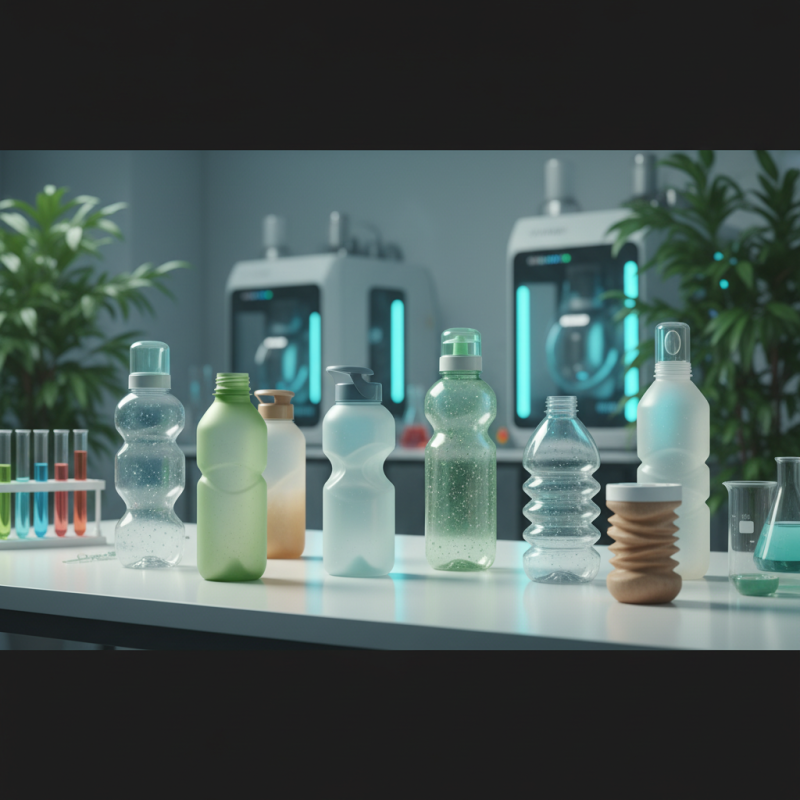
As the push for sustainability intensifies across industries, the plastic bottle packaging sector is poised for notable transformations by 2025. Emerging materials such as bioplastics and post-consumer recycled (PCR) content are leading this charge, driven by both environmental necessity and consumer demand for greener solutions. According to a report by Grand View Research, the global bioplastics market is expected to reach $44 billion by 2026, exhibiting a compound annual growth rate (CAGR) of over 15%. This growth reflects an increasing shift from traditional petroleum-based plastics to alternatives that are biodegradable or derived from renewable resources.
Additionally, the integration of advanced recycling technologies is setting new industry standards for the use of PCR materials in plastic bottles. Research from the Ellen MacArthur Foundation indicates that increasing the use of recycled content in plastic packaging could help reduce greenhouse gas emissions by up to 89% compared to virgin plastic production. Brands and manufacturers are thus encouraged to adopt these innovative materials, not only to meet regulatory pressures but also to align with consumer preferences that favor sustainable practices. The trend towards commitment to circular economy principles will be a driving force in the evolution of plastic bottle packaging over the next few years.
Innovative Design Trends in Plastic Bottle Packaging for Enhanced User Experience
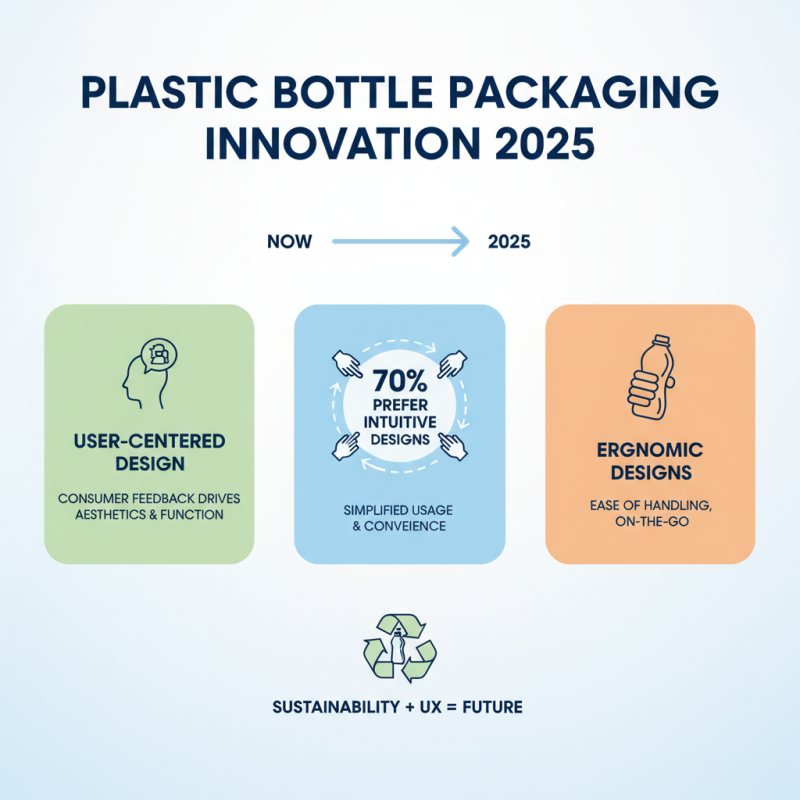
The plastic bottle packaging industry is poised for significant innovation in 2025, with a strong focus on enhancing user experience. One of the most noteworthy trends is the shift toward user-centered design, where consumer feedback plays a pivotal role in shaping packaging aesthetics and functionality. According to a recent industry report, 70% of consumers prefer products that feature intuitive designs that simplify usage while providing convenience. This trend underscores the importance of ergonomic designs, featuring grips and textures that ensure ease of handling, especially for products intended for on-the-go consumption.
Moreover, sustainability remains at the forefront of consumer preferences, influencing design trends in plastic bottle packaging. In fact, a study by Smithers Pira indicates that the demand for eco-friendly packaging solutions is expected to grow by 25% over the next five years. Biodegradable and recyclable materials are increasingly being incorporated into designs, providing consumers with a sense of responsibility towards the environment. Interactive packaging features, such as QR codes that allow users to engage with the brand and learn more about the product's sustainability efforts, are becoming common. This capability not only enhances the user experience but also reinforces the brand's commitment to environmental sustainability, effectively aligning product design with modern consumer values.
Technological Advancements Shaping the Future of Plastic Bottle Production
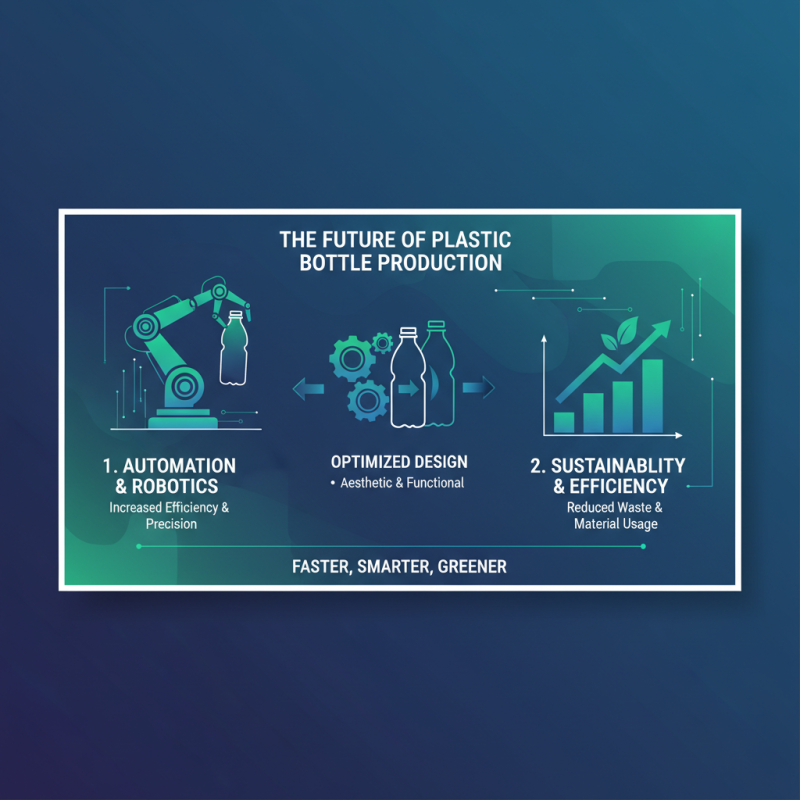
The future of plastic bottle production is being significantly shaped by several key technological advancements. One of the most impactful developments is the integration of automation and robotics in manufacturing processes. These technologies not only enhance production efficiency but also improve precision in designing packaging that meets both aesthetic and functional requirements. This shift allows for higher production rates and lower labor costs, while minimizing waste through optimized material usage.
Additionally, innovations in materials science have led to the creation of more sustainable plastic alternatives being utilized in bottle manufacturing. Bioplastics, made from renewable resources, are gaining traction as they offer a more environmentally friendly option without sacrificing durability and performance. Furthermore, advancements in recycling technology are enabling the production of bottles from recycled materials with improved quality, thus promoting circular economy principles. As these trends continue to evolve, they will contribute to a more sustainable and responsible approach to plastic bottle packaging, meeting the growing consumer demand for environmentally conscious products.
Regulatory Changes Impacting Plastic Bottle Packaging in 2025
As we approach 2025, regulatory changes are poised to significantly reshape the landscape of plastic bottle packaging. Governments worldwide are increasingly implementing stringent regulations aimed at reducing plastic waste and enhancing recycling rates. According to a recent report by the Global Packaging Alliance, over 75% of countries are expected to adopt more rigorous guidelines regarding the use and disposal of plastic materials by 2025. This shift will compel manufacturers to innovate in material selection and design, prioritizing biodegradable and recyclable alternatives.
Moreover, the European Commission's directive on single-use plastics serves as a herald for such changes, mandating that all plastic bottles in the region must contain at least 25% recycled content by 2025. This regulatory push is anticipated to drive the global market for recycled plastics, projected to reach a value of approximately $36 billion by 2025, as noted in the Circular Economy report by Allied Market Research. Companies in the plastic bottle packaging sector are not only required to comply with these regulations but must also actively participate in the transition toward sustainable practices, ensuring that their products align with the expectations of increasingly environmentally conscious consumers.
2025 Top Trends in Plastic Bottle Packaging You Need to Know - Regulatory Changes Impacting Plastic Bottle Packaging in 2025
| Trend |
Description |
Impact Level |
Expected Implementation Year |
| Increased Recycling Efforts |
Heightened focus on recycling rates for plastic materials. |
High |
2025 |
| Biodegradable Plastics |
Growing usage of biodegradable alternatives for bottling. |
Medium |
2025 |
| Regulatory Compliance |
Stricter regulations on plastic production and disposal. |
High |
2025 |
| Smart Packaging |
Integration of technology for tracking and information. |
Medium |
2025 |
| Lightweight Designs |
Focus on reducing material usage in packaging. |
Medium |
2025 |
Consumer Preferences Driving Change in Plastic Bottle Packaging Solutions
As we approach 2025, consumer preferences are increasingly shaping the landscape of plastic bottle packaging. A recent report from Smithers Pira indicates that the global demand for plastic bottles is projected to reach 1 trillion units annually by 2025, driven largely by the burgeoning consumer desire for convenience and sustainability. This trend is prompting manufacturers to innovate, with a significant shift towards eco-friendly materials and designs that enhance recyclability.
Consumers are now more informed than ever about the environmental impact of their choices, leading to a marked preference for packaging that minimizes carbon footprints. According to a study by Euromonitor International, approximately 65% of consumers globally are willing to pay more for sustainable packaging options. This has compelled brands to explore alternatives such as bioplastics and post-consumer recycled (PCR) materials, aligning with the circular economy model that many consumers are advocating for. Furthermore, innovations in design, such as lightweighting and the use of recycled content, are proving to be crucial strategies that meet both sustainability benchmarks and operational efficiency. As we move toward 2025, it’s clear that understanding and adapting to these consumer preferences will be pivotal for the future of plastic bottle packaging.
2025 Top Trends in Plastic Bottle Packaging
This chart illustrates the top consumer preferences driving change in plastic bottle packaging for 2025. The data shows that the use of recycled materials leads consumer preferences with 30%, while lightweight design and biodegradable options also play significant roles in shaping future packaging solutions.