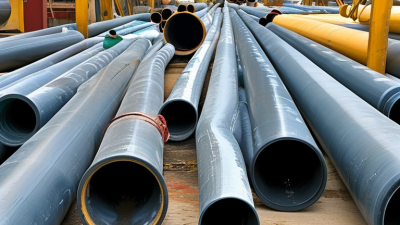
Top Plastic Tubes Suppliers for Global Buyers?
Choosing the right Plastic Tubes supplier takes more than comparing unit prices. Buyers must examine material consistency, dimensional accuracy, production capacity, and communication. A tube that looks suitable in a sample can behave differently on a high-speed filling line. Small details matter: wall thickness, cap fit, print alignment, and how securely cartons arrive.
Dr. Ramani Narayan, a materials scientist at Michigan State University, offers a useful perspective. In paraphrase of his work on materials, “Performance and end-of-life considerations belong in the same conversation.” That is not a supplier scorecard. It is a reminder to ask specific questions. What material grades are available? Can the supplier provide test data and traceable batch records? How are color, tolerances, and defects checked during production? Clear answers are more useful than broad claims.
Global sourcing adds another layer. Lead times, sample approval, shipping protection, and responsive support can shape the real cost of an order. Ask for a production sample. Check the neck finish and cap seal by hand. Review packaging details before approving a large run. Simple steps, but easy to skip.
This guide compares Plastic Tubes suppliers through practical buyer criteria, including product range, customization, quality processes, and export experience. Supplier information can change, and a polished website proves little on its own. Verify specifications directly. Then compare offers on the same basis. The best fit may not be the cheapest—and that deserves a second look.
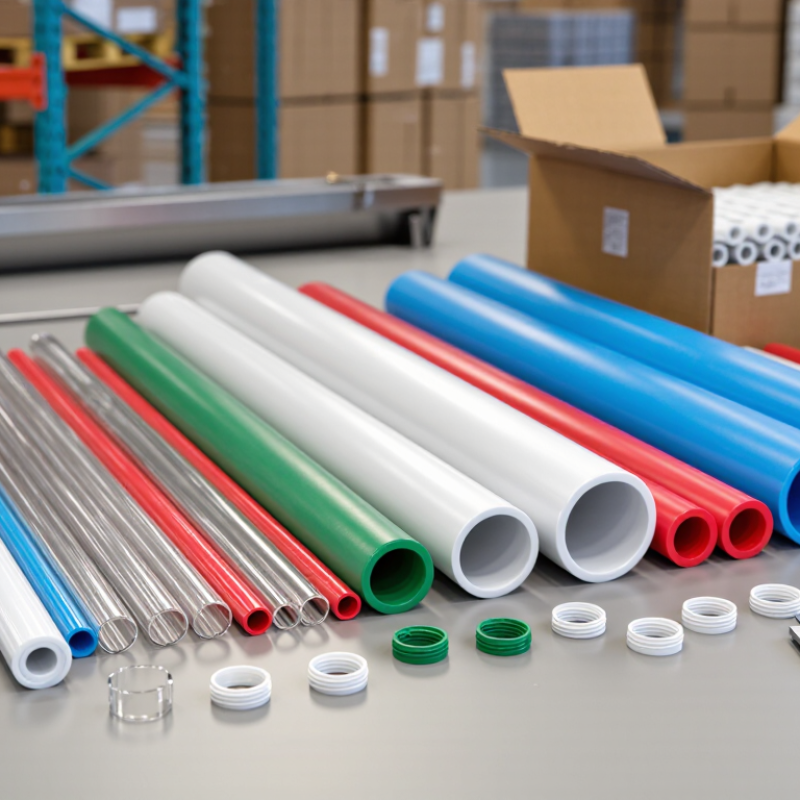
Define Plastic Tube Types by Resin, Diameter, Wall Thickness, and Closure
Plastic tubes are not interchangeable, even when they look similar on a shelf. Resin affects flexibility, appearance, and compatibility with the contents. LDPE is commonly chosen when a soft, squeezable feel matters; PP is generally stiffer. For clear packaging, PET may be an option, but suitability depends on the product and package design. Ask suppliers for material details and test samples with the actual contents.
Diameter shapes both dose and grip. A narrow tube may suit a small amount of cream, while a wider opening can make filling or dispensing easier. Wall thickness affects stiffness, squeeze force, and resistance to dents during shipping. Check these details against the filling equipment, too. Small mismatch, big headache. Closures need equal care: screw caps, flip-tops, and nozzle tips require compatible neck finishes and should be checked for leakage. Request drawings with dimensions and tolerances, then compare filled samples under normal handling conditions. A specification can look tidy on paper and still miss how the tube feels in a wet hand. That part is easy to overlook.
Screen Suppliers for ISO 9001:2015 and ISO 15378:2017 Certification
When comparing plastic tube suppliers, check the certification documents before comparing prices or lead times. ISO 9001:2015 covers a supplier’s quality management system, but the certificate should name the correct legal entity and manufacturing site. Confirm its issue and expiry dates, certification body, and stated scope. A certificate for one facility may not cover another.
For pharmaceutical primary packaging, ISO 15378:2017 is especially relevant. It combines quality management requirements with good manufacturing practice considerations for packaging materials. Ask whether the certificate covers the specific tube-making site and activities, such as extrusion, printing, or assembly. Request a current copy, then verify it directly with the certification body or its official directory. Small detail, big difference.
A certificate alone cannot show how a supplier handles daily production. Ask for examples of batch traceability, change control, and nonconformance records. During a review, follow one sample lot from incoming resin records to finished-tube inspection results. Check how the supplier controls dimensions, wall thickness, and print alignment. It is easy to overvalue a polished document. I would still ask what happens when a measurement falls outside tolerance, and how corrective actions are checked for effectiveness. Some buyers skip that question. They should not.
Check Food-Contact Compliance with EU Regulation No. 10/2011
For global buyers, a plastic tube’s appearance says little about its suitability for food. EU Regulation No. 10/2011 sets requirements for plastic materials and articles intended to contact food. Ask suppliers for a current Declaration of Compliance and supporting migration-test information. These documents should identify the material and describe the conditions for which compliance was assessed.
Details matter. A tube used for chilled sauce may face different conditions from one carrying warm oil. Check the stated food types, contact time, and temperature against your actual filling and storage process. Overall and specific migration results can help show whether substances transfer within applicable limits. The cap, liner, and printed surfaces may also need review as parts of the finished package. Small components count.
Request traceability details, such as material specifications, production-lot records, and procedures for handling changes. A supplier’s certificate alone is not a substitute for checking whether its scope matches your product. I have seen teams focus on the tube resin and overlook the closure. That is an easy gap to miss. If test conditions are unclear, ask for clarification or independent assessment before approving production. Compliance should be documented for the intended use, not assumed from a material name.
Compare Oxygen and Water-Vapor Barriers Using ASTM D3985 and F1249
Top Plastic Tubes Suppliers for Global Buyers?
Compare Oxygen and Water-Vapor Barriers Using ASTM D3985 and F1249
For tube buyers, barrier claims need more than a number on a supplier’s datasheet. ASTM D3985 measures oxygen transmission using a coulometric sensor, while ASTM F1249 measures water-vapor transmission with a modulated infrared sensor. These tests describe different gases and cannot replace one another. Ask suppliers for the test method, units, temperature, humidity, and specimen thickness. Conditions matter.
Results are useful only when comparisons share similar conditions. A thin flat film may perform differently from a finished tube with a shoulder, cap, or sealed seam. Request data for the actual tube structure, or a clearly identified representative sample. Check whether results cover one sample or several production lots. Small differences in resin blend, layer thickness, and processing can affect performance. A datasheet can look reassuring; I treat it as a starting point, not proof.
Tips: Compare like with like. Confirm test conditions and units, then ask how the supplier controls thickness and lot variation. If your product is sensitive to oxygen or moisture, validate the complete package under realistic storage conditions. That gap matters.