Top 10 Cosmetic Tubes: Best Types for Packaging Your Beauty Products
In the rapidly evolving world of beauty and cosmetics, packaging plays a crucial role in shaping consumer experience and brand identity. Cosmetic tubes, in particular, have increasingly become a popular choice for brands looking to encapsulate their products in a functional yet aesthetically pleasing manner. As industry expert Maria Thompson, a leading figure in cosmetic packaging innovations, aptly stated, "The right cosmetic tube not only preserves the integrity of the product but also tells a story that resonates with the consumer." This underscores the importance of selecting the right type of tube that complements both the product and the brand's message.
The versatility of cosmetic tubes allows for a myriad of designs and functionalities, catering to various product needs from creams and gels to lotions and serums. Their lightweight nature and ease of use make them a favorite among cosmetic manufacturers and consumers alike. Additionally, advancements in technology have led to developments in eco-friendly materials, further elevating their appeal in an increasingly sustainability-focused market. As we delve into the top 10 cosmetic tubes, it's essential to explore their unique features, benefits, and how they can effectively enhance the packaging of beauty products.
Types of Cosmetic Tubes: An Overview of Packaging Solutions
In the world of beauty products, packaging plays a crucial role in brand perception and consumer satisfaction. Cosmetic tubes are a popular choice for packaging a variety of products, including lotions, creams, and serums, due to their convenience, functionality, and aesthetic appeal. According to a report by Smithers Pira, the global market for flexible plastic packaging, which includes cosmetic tubes, is projected to reach $300 billion by 2024. This trend indicates that brands are increasingly prioritizing innovative packaging solutions that not only protect the product but also enhance the consumer's experience.
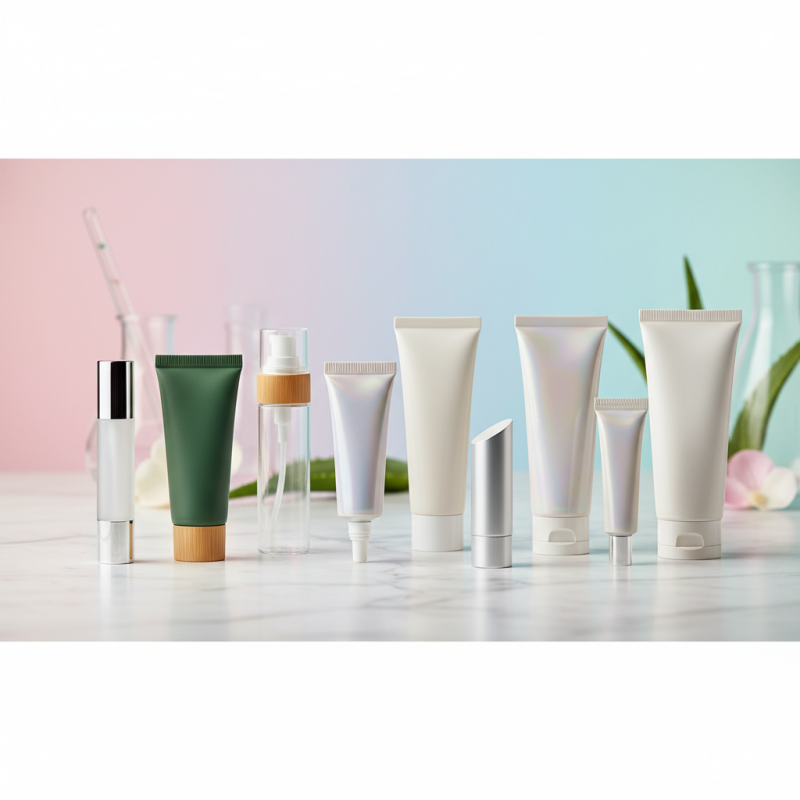
Cosmetic tubes come in various types, including squeeze tubes, airless pumps, and laminated tubes. Squeeze tubes are particularly favored for their ease of use, allowing consumers to dispense the right amount of product without contamination. Airless pumps are gaining popularity as they ensure maximum product preservation and minimize waste, with studies showing that they can reduce oxidation and extend shelf life significantly. Laminated tubes, which combine different materials for enhanced barrier properties, are also noteworthy for their ability to keep formulations stable over time.
**Tip:** When selecting cosmetic tubes, consider the product's viscosity and desired dispensing method. For thicker creams, opt for tubes that offer a wider or more controlled nozzle to prevent clumping and ensure a smooth application.
**Tip:** Sustainability is a significant concern in the beauty industry. Look for tubes made from recyclable materials or those that are part of a closed-loop system to appeal to eco-conscious consumers. Brands that prioritize sustainable packaging can enhance their reputation and attract environmentally aware customers, as studies indicate that over 70% of consumers prefer brands that demonstrate a commitment to sustainability.
Advantages of Using Tubes for Beauty Product Packaging
Tubes have become a preferred packaging choice for many beauty products due to their numerous advantages. One of the primary benefits is their convenience. Unlike jars or compacts, tubes allow for easy dispensing of products without the risk of contamination from fingers or tools. This feature is particularly valuable for liquid and cream products, such as foundations, moisturizers, or serums, where precise application is essential. The design of tubes enables users to control the amount of product dispensed, minimizing waste and ensuring that every drop is utilized effectively.
Furthermore, tubes offer excellent protection for the contents inside. They provide a barrier against light, air, and contaminants, which can degrade the quality of sensitive beauty formulations. Many tubes are also designed with materials that are recyclable, supporting eco-friendly initiatives. Additionally, they are lightweight and portable, making them ideal for consumers who are always on the go. With various design options available, brands can create visually appealing packaging that stands out on the shelves while still being functional. Overall, the benefits of using tubes for beauty product packaging make them an increasingly popular choice in the cosmetics industry.
Materials Commonly Used in Cosmetic Tube Production
When it comes to packaging beauty products, the choice of materials plays a crucial role in both functionality and aesthetics. One of the most commonly used materials for cosmetic tubes is plastic, particularly polyethylene (PE) and polypropylene (PP). These materials are favored for their lightweight nature, flexibility, and resistance to moisture, which enhances the shelf life of products.
Additionally, their ability to be easily molded into various shapes allows for creative designs that can attract consumers.
Another popular material in cosmetic tube production is aluminum. Known for its durability and recyclability, aluminum provides an excellent barrier against light and air, making it ideal for preserving the integrity of sensitive formulations.
Furthermore, the sleek and modern appearance of aluminum tubes can elevate the overall branding of beauty products. Other options include glass, which, although heavier and more fragile, offers a premium look and feel, appealing to consumers seeking luxury packaging. Each material has its own unique benefits, enabling brands to choose the most suitable option based on their product needs and marketing strategies.
Design Considerations for Effective Product Packaging
When it comes to cosmetic packaging, design is not just about aesthetics; it significantly influences consumer behavior and brand perception. According to a report by Packaging Strategies, 70% of consumers make their buying decisions based solely on packaging. This statistic highlights the importance of creating visually appealing and functional designs that align with the beauty industry’s trend towards sustainability and usability. Brands are increasingly opting for eco-friendly materials and innovative shapes that stand out on shelves while also appealing to environmentally-conscious consumers.
Furthermore, functionality plays a crucial role in the effectiveness of cosmetic tubes. A study by Smithers Pira reveals that 90% of product performance is tied to packaging design. Packaging should not only protect the product but should also enhance the user experience through practical features, such as easy-to-use dispensers and resealable caps. As consumer preferences shift towards convenience and efficacy, designs that allow for smoother application and better product dispensing can significantly increase customer satisfaction and loyalty. This emphasis on thoughtful design can ultimately drive sales and enhance overall brand reputation in a competitive market.
Top 10 Cosmetic Tubes: Best Types for Packaging Your Beauty Products
| Type of Tube |
Material |
Capacity (ml) |
Best For |
Recyclability |
| LAMINATED TUBE |
Plastic/Aluminum |
50-200 |
Creams and Ointments |
Partially Recyclable |
| SQUEEZE TUBE |
Plastic |
30-150 |
Lotions and Gels |
Recyclable |
| AIRLESS PUMP TUBE |
Plastic |
15-50 |
Serums and Liquids |
Partially Recyclable |
| CRIMPED EDGE TUBE |
Aluminum |
20-100 |
Ointments |
Recyclable |
| FOIL TUBE |
Foil/Plastic |
30-150 |
Sensitive Products |
Partially Recyclable |
| DECO TUBE |
Plastic |
30-200 |
Decorative Products |
Recyclable |
| TUBULAR TUBE |
Plastic |
100-200 |
Thick Creams |
Recyclable |
| METAL TUBE |
Aluminum |
20-100 |
Luxury Creams |
Recyclable |
| PLASTIC COATED TUBE |
Plastic/Aluminum |
50-200 |
Versatile Products |
Partially Recyclable |
Sustainability in Cosmetic Tube Packaging: Trends and Innovations
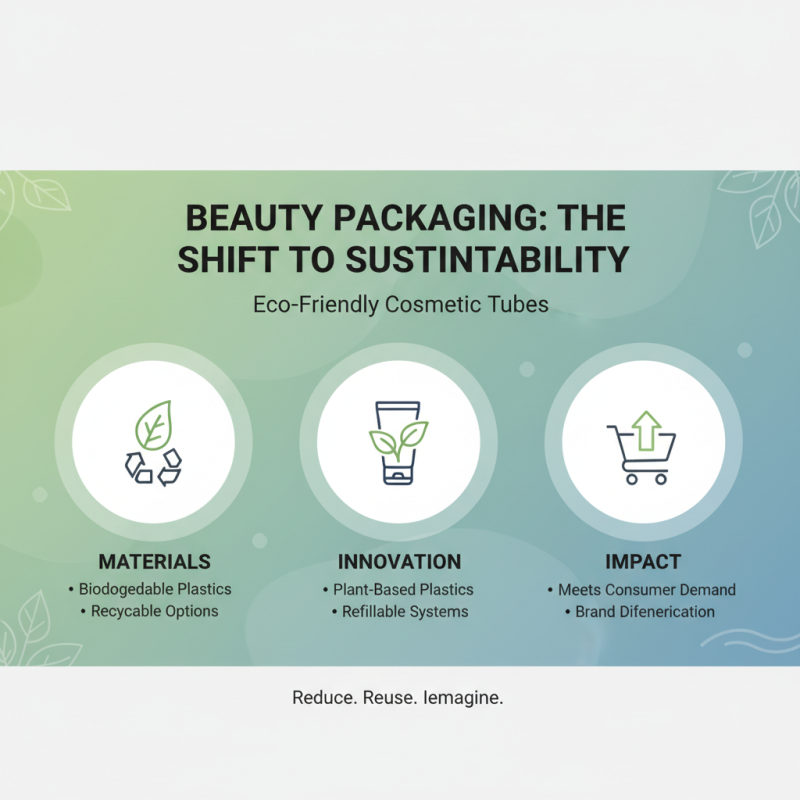
Sustainability has become a crucial focus in the beauty industry, especially when it comes to packaging. Many brands are now prioritizing eco-friendly materials for their cosmetic tubes, opting for biodegradable or recyclable options. Innovations in tube design, such as the use of plant-based plastics or the development of refillable systems, reflect a shift towards reducing environmental impact. This not only meets the growing consumer demand for sustainable products but also helps brands differentiate themselves in a competitive market.
Tips for brands looking to enhance their sustainability efforts include considering the entire life cycle of the packaging. Opting for materials that can be easily recycled or repurposed can significantly reduce waste. Additionally, brands should consider incorporating a take-back program, allowing customers to return used tubes for proper recycling. This approach not only promotes responsible disposal but also fosters customer loyalty by engaging consumers in the sustainability journey.
Furthermore, transparency is key. Providing clear information about the materials used and the sustainability practices adopted can help build trust with consumers. Brands should highlight their commitment to environmental responsibility, making it easy for customers to make informed choices. By embracing these sustainable practices, brands can contribute to a greener future while still delivering high-quality beauty products.