





What Are the Top 10 Tube Containers for Global Buyers?
Tube Containers remain essential across personal care, pharmaceuticals, food, household products, and industrial applications. Their appeal is practical: low weight, controlled dispensing, compact shipping, and strong branding space. Grand View Research’s Tubes Packaging Market Size, Share & Trends Analysis Report, 2024–2030, highlights continued demand for squeeze tubes and higher-performance barrier formats. However, global buyers should not judge containers by appearance alone. A glossy tube may still fail during filling, transport, or recycling.
This guide examines the top 10 Tube Containers for international purchasing teams. The selection includes plastic laminate tubes, mono-material PE tubes, HDPE and LDPE tubes, aluminum tubes, paper-based tubes, PCR-content tubes, barrier tubes, sterile tubes, and specialty multi-layer designs. Each format serves a different purpose. For example, an aluminum tube can protect sensitive formulations from light and oxygen, while a mono-material PE tube may support simpler recycling where local systems accept it. Smithers’ The Future of Sustainable Packaging to 2028 also emphasizes material reduction, recyclability, and packaging performance as connected priorities. They cannot be separated.
Real buying decisions require more than a supplier catalogue. Teams should review wall thickness, shoulder strength, cap torque, seal integrity, decoration quality, filling speed, minimum order quantities, and regional compliance documents. The Ellen MacArthur Foundation’s Global Commitment reports show why packaging recyclability claims need careful verification. “Recyclable” is not always recyclable everywhere. That point matters.
No ranking is perfect. Climate, product chemistry, local infrastructure, and budget can change the order. The following comparison offers a practical starting point, not a universal answer.
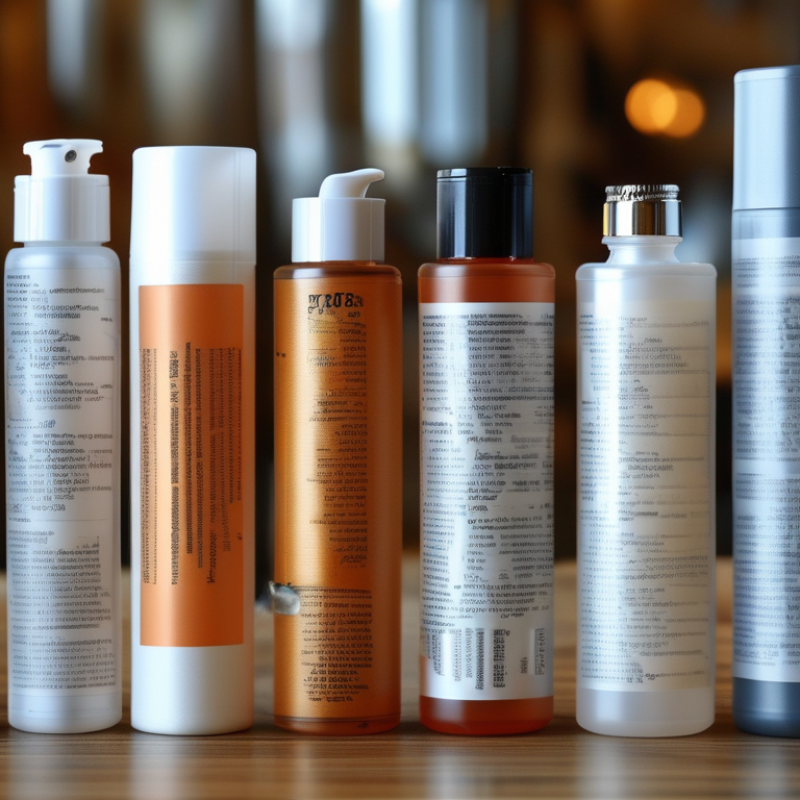
Defining Tube Containers and Their Main Applications
What Are the Top 10 Tube Containers for Global Buyers?
Tube containers are narrow packages with a hollow body, a sealed shoulder, and a dispensing opening. Users usually squeeze the body to release a controlled amount. Their flexible structure makes them practical for creams, gels, pastes, lotions, adhesives, food products, and personal-care formulas.
Common options include plastic squeeze tubes, laminated tubes, aluminum tubes, paper tubes, barrier tubes, applicator tubes, sample tubes, rigid tubes, collapsible tubes, and wide-opening tubes. Each format serves a different purpose. Plastic tubes offer light weight and flexible decoration. Laminated tubes can improve protection against moisture, air, and light. Aluminum tubes provide strong barrier performance but may dent during transport. Paper tubes can reduce plastic use, although their moisture resistance needs careful testing.
Global buyers should examine the product’s viscosity, filling temperature, closure type, and storage conditions. A narrow nozzle suits precise dispensing. A wide opening works better for thick creams or solid pastes. Cap fit matters too. Poor thread alignment can cause leakage and customer complaints. That distinction matters.
In my sourcing experience, packaging samples often perform well in the factory but fail after long-distance shipping. Buyers should test compression, seal strength, drop resistance, and compatibility with the formula. Not every tube fits. Printing quality, recycling guidance, language requirements, and regional packaging rules also deserve review. Some specifications remain uncertain until real-use testing begins. That is an uncomfortable, but useful, lesson.
What Are the Top 10 Tube Containers for Global Buyers? - Defining Tube Containers and Their Main Applications
| No. | Tube Container Type | Typical Materials | Common Capacity | Typical Closure | Main Applications | Key Buyer Considerations |
|---|---|---|---|---|---|---|
| 1 | Plastic Squeeze Tube | PE, PP, or multilayer plastic | 5–250 ml | Screw cap, flip-top cap, or nozzle cap | Toothpaste, creams, gels, lotions, sauces, and personal-care products | Low weight, flexible dispensing, decoration quality, barrier requirements, and compatibility with the filling product |
| 2 | Aluminum Collapsible Tube | Light-gauge aluminum with internal coating | 5–200 ml | Screw cap, nozzle cap, or tamper-evident closure | Pharmaceutical ointments, creams, adhesives, paints, and specialty chemicals | Excellent light and oxygen protection; coating selection is important for chemical compatibility and product stability |
| 3 | Laminated Barrier Tube | Plastic laminate or aluminum-barrier laminate | 10–250 ml | Screw cap or flip-top cap | Oral-care products, cosmetics, creams, gels, and food pastes | Provides stronger oxygen, moisture, aroma, and light protection than many single-layer plastic tubes |
| 4 | Mono-Material PE Tube | Primarily polyethylene, including high-density or low-density PE layers | 15–250 ml | PE or PP-compatible screw cap and flip-top cap | Skin care, hair care, household products, and selected pharmaceutical formulations | Simplified material structure may support recycling in suitable local systems; actual acceptance varies by region |
| 5 | Pharmaceutical Unit-Dose Tube | Plastic, aluminum, or coated laminate | 0.5–10 ml | Sealed tip, pierceable membrane, or small screw closure | Ophthalmic preparations, dermatological products, sample doses, and clinical-use products | Dose accuracy, sterility, tamper evidence, extractables, and regulatory packaging requirements |
| 6 | Industrial Adhesive Cartridge Tube | Plastic or aluminum cartridge body | 30–600 ml | Piston, threaded nozzle, and protective cap | Construction sealants, bonding agents, repair compounds, and industrial mastics | Dispenser compatibility, piston movement, seal integrity, cure protection, and controlled extrusion |
| 7 | Food Paste Tube | Coated aluminum, plastic, or multilayer laminate | 50–250 g or ml | Screw cap or flip-top cap | Tomato paste, condiments, cooking pastes, icing, and concentrated food ingredients | Food-contact compliance, oxygen barrier, clean dispensing, filling temperature, and residual product control |
| 8 | Cosmetic Sample Tube | PE, PP, or laminate | 1–15 ml | Small screw cap, snap cap, or sealed nozzle | Cream, lotion, serum, mask, cleanser, and promotional product samples | Compact size, controlled dispensing, attractive decoration, leak resistance, and convenient portability |
| 9 | Applicator Nozzle Tube | PE, PP, aluminum, or multilayer plastic | 5–100 ml | Extended nozzle, precision tip, or twist-open applicator | Medical creams, personal-care gels, craft products, lubricants, and precision-use chemicals | Tip diameter, flow rate, clog resistance, hygiene, cap security, and targeted application performance |
| 10 | Multi-Compartment Tube | Multilayer plastic or co-extruded plastic | 10–150 ml | Dual-orifice cap or divided dispensing closure | Dual-color cosmetics, two-part formulations, oral-care products, and separated food ingredients | Internal separation, synchronized dosing, seal design, formulation compatibility, and filling-line complexity |
Note: Capacity ranges and application examples represent commonly used commercial specifications. Material-recycling acceptance, food-contact rules, and pharmaceutical requirements vary by destination market and local regulations.
Related Posts
-

Exploring the Versatility of Tube Containers in Sustainable Packaging Solutions
-
Innovative Approaches to Sourcing the Best Tube Cosmetics for Global Markets
-

Ultimate Checklist for Choosing the Best Tube Containers for Your Business
-
How to Choose the Right Packaging for Glass Bottles for Maximum Protection and Appeal
-

Top 10 Toothpaste Tubes That Maximize Oral Hygiene and Sustainability
-

What Are the Best Plastic Bottles for Eco-Friendly Packaging?