What is a Plastic Tube and its Common Uses?
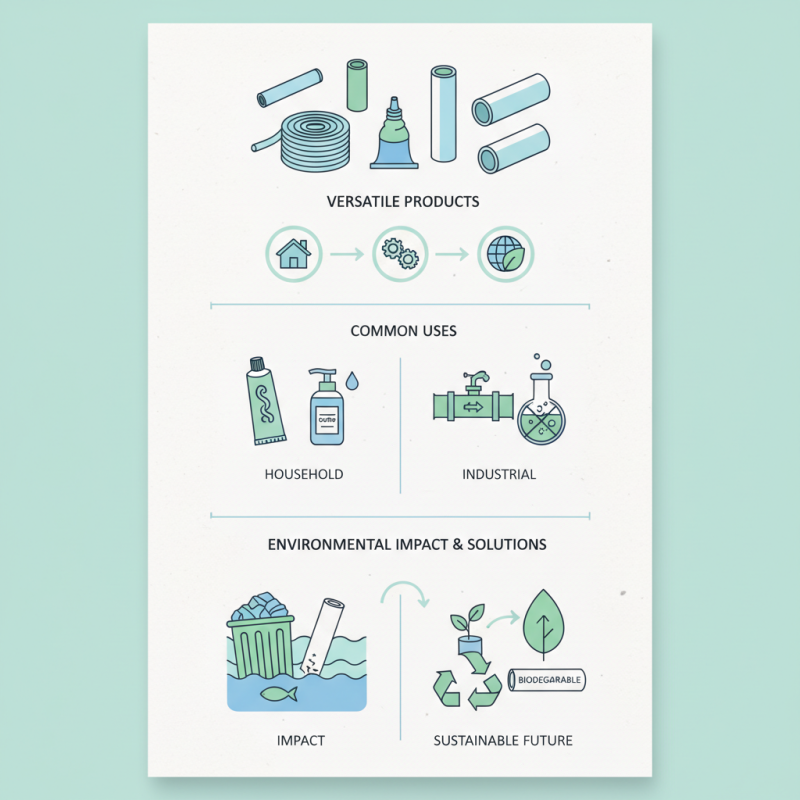
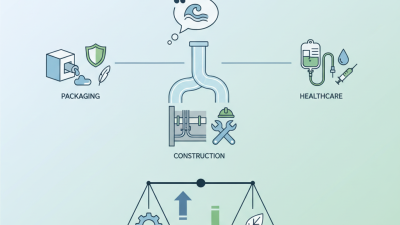
Plastic tubes are versatile products found in many areas of daily life. They come in various shapes and sizes, making them widely applicable. From packaging to construction, plastic tubes serve essential functions.
In households, plastic tubes often contain products like toothpaste or lotions. They are lightweight and resistant, making them a popular choice. Additionally, in industries, these tubes are used for transporting liquids and gases. Their ability to withstand pressure and resist corrosion is noteworthy.
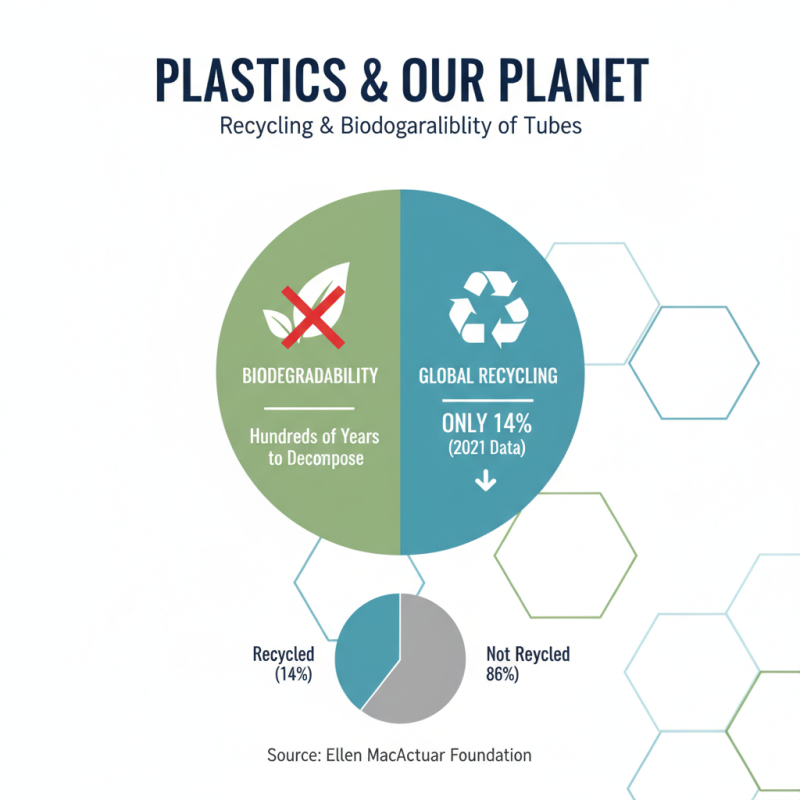
Despite their usefulness, plastic tubes raise environmental concerns. Many end up in landfills or oceans, contributing to pollution. Reflecting on our usage patterns can lead to better choices. Opting for recyclable or biodegradable alternatives may reduce our plastic footprint. Change is necessary for a sustainable future.
What is a Plastic Tube? Definition and Materials Overview
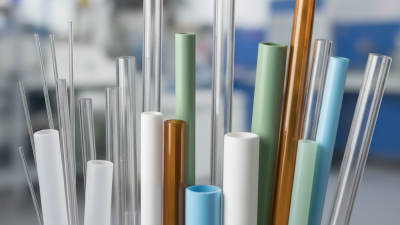
A plastic tube is a hollow cylinder made from various synthetic materials. These tubes are often lightweight, flexible, and resistant to chemicals. Common materials include PVC, polyethylene, and polypropylene. They come in various sizes and thicknesses, catering to different applications.
Plastic tubes are widely used across many industries. In healthcare, they carry fluids and gases. In construction, they serve as conduits for electrical wiring. They also play a role in agriculture by transporting water. However, some users may overlook the environmental impact of plastic. It’s important to consider recycling options for used tubes.
Different types of plastic tubes have unique characteristics. For instance, some are transparent, allowing for easy monitoring of flow. Others are opaque, providing shielding from light. Yet, durability can vary. A tube that works well in one application may not perform in another. This variability requires careful selection and use.
Common Applications of Plastic Tubes
This chart illustrates the various applications of plastic tubes and their corresponding usage percentages in different industries.
Key Characteristics of Plastic Tubes: Durability and Flexibility
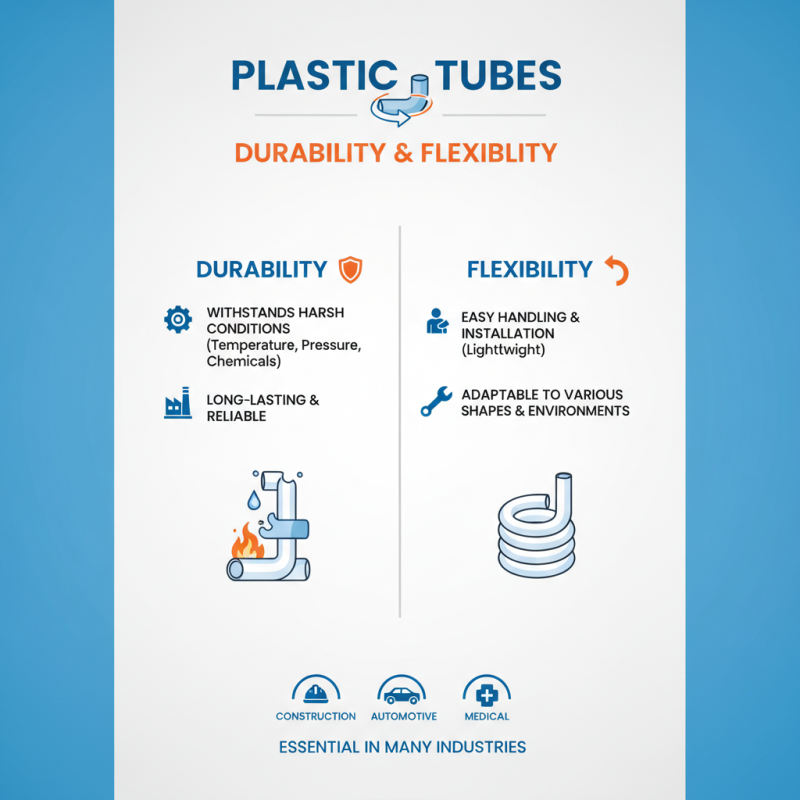
Plastic tubes are an essential part of many industries due to their remarkable durability and flexibility. They are commonly used in construction, automotive, and even medical applications. These tubes can withstand harsh conditions, making them an ideal choice for various environments. Their lightweight nature also contributes to easy handling and installation, which makes tasks more efficient.
Another key characteristic of plastic tubes is their flexibility. They can bend without breaking, allowing them to fit into tight spaces. This feature is critical in applications that require intricate designs or adjustments. For instance, in plumbing, flexible plastic tubes can navigate around corners and obstacles. However, this flexibility sometimes leads to compromises in structure under extreme pressure.
Despite their strengths, plastic tubes can also have limitations. In certain applications, they may not perform as well as metal or glass alternatives. Some projects may require different material properties, and this is where plastic tubes can fall short. It’s important to assess the specific needs of a project before selecting a tube material. In the end, while plastic tubes offer numerous benefits, it’s essential to consider their potential drawbacks for optimal performance.
Common Applications of Plastic Tubes in Various Industries
Plastic tubes play a vital role in several industries. Their lightweight nature makes them easy to transport and handle. In healthcare, plastic tubes are used for IV lines and oxygen supply. They help deliver essential fluids to patients quickly and efficiently. Many healthcare providers rely on these tubes for their critical functions.
In the construction industry, plastic tubes are often used for plumbing applications. They are resistant to corrosion and can withstand various environmental conditions. This durability makes them ideal for both residential and commercial projects. Moreover, certain types of plastic tubes function as protective conduits for electrical wiring. This ensures safety and reliability in installations.
In agriculture, plastic tubes help with irrigation systems. They distribute water evenly across vast fields. This application is crucial for maximizing crop yields. However, some plastic tubes are not biodegradable, raising environmental concerns. The need for sustainable options is becoming more pressing. Manufacturers and consumers alike must reflect on their choices. Exploring alternatives could lead to better outcomes for our planet.
Market Trends: Global Demand and Production Statistics for Plastic Tubes
The global demand for plastic tubes has seen significant growth in recent years. This surge is driven by various industries such as packaging, construction, and healthcare. Plastic tubes are lightweight and versatile, which contributes to their popularity. Production statistics indicate a steady increase in manufacturing capabilities to meet this demand. Regions with strong industrial bases are leading the way.
However, challenges exist in this market. Sustainability concerns are growing as plastic pollution gains more attention. Many producers are exploring biodegradable materials or recycled products. This shift is slow and requires continuous innovation. The need for effective recycling programs and responsible consumption cannot be ignored.
While plastic tubes serve essential functions, their environmental impact is a critical issue. Consumers and manufacturers must collaborate on sustainable practices. Education about responsible use is essential. The future of the plastic tube market relies not just on demand, but also on how these challenges are addressed.
What is a Plastic Tube and its Common Uses? - Market Trends: Global Demand and Production Statistics for Plastic Tubes
| Type of Plastic Tube |
Common Uses |
Global Market Demand (Million USD) |
Production Volume (Thousand Tons) |
| PVC Tubes |
Plumbing, Electrical Insulation |
4500 |
800 |
| Polyethylene Tubes |
Packaging, Construction |
3200 |
600 |
| Polypropylene Tubes |
Automotive, Medical Applications |
2100 |
400 |
| Silicone Tubes |
Medical and Food Grade Applications |
950 |
150 |
| Nylon Tubes |
Chemical Handling, Fluid Transportation |
800 |
120 |