Top Plastic Bottle Packaging Trends for 2026 What Buyers Need to Know
The landscape of Plastic Bottle Packaging is evolving at an unprecedented pace. As we approach 2026, understanding the latest trends is crucial for buyers in this industry. Experts like Richard Green, a leading figure in sustainable packaging, emphasize, “Innovations will shape consumer preferences and ecological responsibilities.”
This significant shift calls for deeper insights into emerging trends. With increasing consumer demand for sustainability, brands are rethinking their materials and designs. Today, eco-friendly options are more than just a bonus; they are a necessity. While innovation is exciting, the rapid changes can be overwhelming.
Buyers must navigate through various options, balancing functionality and environmental impact. Some trends may seem promising but require careful evaluation. Embracing transparency in sourcing and production will enhance brand credibility. As the market grows, staying informed is not just beneficial—it is imperative for success in Plastic Bottle Packaging.
Emerging Eco-Friendly Materials in Plastic Bottles by 2026
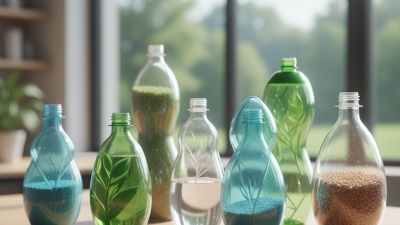
As we approach 2026, the landscape of plastic bottle packaging is evolving significantly. The focus on sustainability is more pronounced than ever. Emerging eco-friendly materials are set to transform the industry. Reports indicate that by 2026, the demand for biodegradable plastics will grow, with leading experts projecting a compound annual growth rate (CAGR) of 20% in this sector.
Bio-based polyethylene and polylactic acid are frontrunners in eco-friendly bottle production. These materials not only reduce fossil fuel dependence but also minimize carbon footprints. Consumers are becoming more environmentally conscious. A recent survey revealed that 79% of respondents prefer packaging made from sustainable materials. This shift is driving brands to innovate and adopt greener practices.
Tips: Consider the life cycle of materials when choosing packaging. Always ask suppliers for data on their sustainability practices. Collaborating with researchers can bring new ideas to light. Embracing eco-friendly materials is not just a trend; it’s becoming a necessity for survival in the market. However, challenges like cost and performance still need addressing. Companies must reflect on their strategies to align with consumers’ expectations. Balancing sustainability with functionality is critical for long-term success.
Impact of Biodegradable Plastics on Packaging Sustainability
Biodegradable plastics are at the forefront of sustainable packaging. As consumers demand eco-friendly options, businesses must adapt. These materials break down more quickly than traditional plastics. This reduces the environmental impact significantly. Many biodegradable options can decompose within months, not years. They provide a promising solution to plastic pollution.
However, the production of biodegradable plastics is not perfect. Some still require specific conditions to decompose fully. This creates challenges in recycling streams. Mismanagement can lead to biodegradable plastics ending up alongside regular plastics, negating their advantages. Users and manufacturers must be aware of these limitations.
Here are a few tips for buyers:
- Look for certifications that ensure true biodegradability.
- Understand the disposal methods required for these materials.
- Stay updated on advancements in biodegradable technology to make informed choices.
Being informed can lead to better sustainability practices in packaging.
Trends in Lightweight Packaging: Reducing Material Usage and Waste
In recent years, lightweight packaging trends have gained significant traction among buyers. This movement focuses on reducing both material usage and waste. Companies are increasingly adopting thinner materials for their plastic bottles. This not only lowers production costs but also diminishes the environmental impact. However, the challenge lies in maintaining durability while minimizing weight.
The pursuit of lightweight packaging invites some reflection. Thinner materials can compromise the ability to protect products. There are concerns about leakage or product spoilage. Buyers may feel hesitant about the trade-off between sustainability and reliability. Yet, innovations in materials science continue to emerge. Bio-based plastics and advanced recycling technologies offer potential solutions.
Engaging in this trend requires a proactive approach from buyers. They must evaluate the lifecycle of packaging. Is the lighter packaging truly beneficial? Assessing total environmental impact is essential. As the market evolves, having a clear strategy will help navigate these changes. Careful consideration will ensure that lightweight packaging serves its purpose without sacrificing quality.
Top Plastic Bottle Packaging Trends for 2026
| Trend |
Description |
Percentage of Market Adoption |
Expected Impact |
| Lightweight Materials |
Utilizing thinner and lighter materials to reduce overall weight and packaging waste. |
40% |
Significant reduction in material costs and environmental impact. |
| Recyclable Designs |
Packaging that can be fully recycled at the end of its life cycle. |
55% |
Improving brand reputation and compliance with regulations. |
| Bio-based Plastics |
Incorporating renewable resources into plastics to enhance sustainability. |
30% |
Attracting environmentally conscious consumers and reducing fossil fuel dependency. |
| Smart Packaging |
Integrating technology for tracking and improving supply chain efficiency. |
25% |
Enhancing product traceability and consumer engagement. |
| Minimalistic Design |
Reducing visual clutter and focusing on essential information. |
50% |
Improving user experience and reducing printing materials. |
Advancements in Refillable and Returnable Bottle Systems
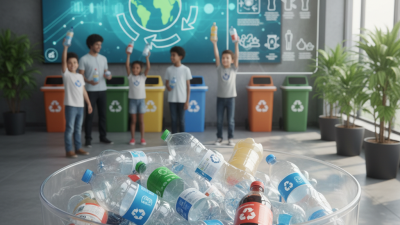
As we head into 2026, the trends in plastic bottle packaging are shifting towards sustainability. Refillable and returnable bottle systems are gaining traction due to environmental concerns. These systems reduce waste and carbon footprints significantly. Companies are now prioritizing designs that encourage reuse.
Innovative refill stations are sprouting up in urban areas. Customers can bring their empty bottles to refill with beverages, reducing single-use plastic. However, this involves challenges. Not all consumers are easily convinced to return bottles. There’s still a long way to go in changing consumer habits. Education plays a crucial role in this transition.
Moreover, the development of bottle materials is crucial. Many are exploring biodegradable options that can decompose after use. While promising, some of these materials are still in the testing phase. Effective marketing and consumer acceptance can make or break these initiatives. Understanding consumer needs is also essential for success.
Top Plastic Bottle Packaging Trends for 2026
Consumer Preferences Shaping Design Innovations in Bottle Packaging
Consumer preferences are evolving, significantly impacting bottle packaging design. In 2026, buyers will prioritize sustainability. Eco-friendly materials and recyclability are at the forefront. Brands need to align their packaging strategies with consumer values. Transparency in sourcing will become essential.
Minimalist designs are gaining traction. Consumers appreciate simplicity and functionality. Packaging must communicate product benefits clearly. Unique shapes and sizes can create a visual impact. However, brands should be cautious, as eye-catching designs can sometimes overshadow practicality.
Customization is on the rise. Buyers want personalized experiences, and this extends to packaging. Innovative labeling techniques can enhance brand identity. Yet, companies must consider the balance between creativity and cost. Not every trend will resonate with all consumers. There’s a need for continuous feedback and adaptation in design approaches.