What are Paper Tube Containers and Their Uses?
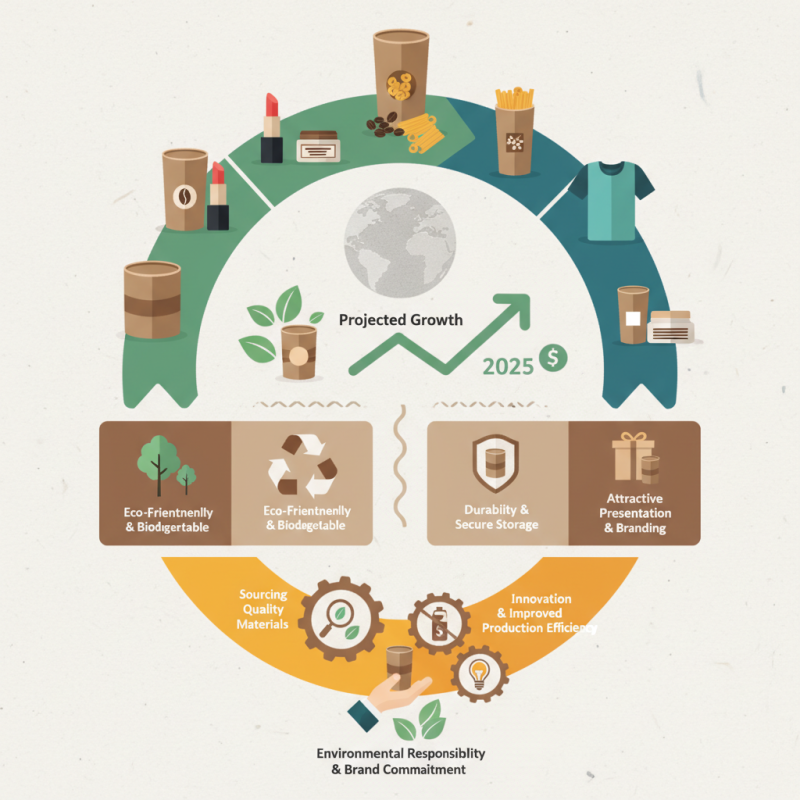
Paper Tube Containers are gaining popularity due to their versatility and eco-friendliness. According to a recent report by Smithers, the global market for paper packaging is projected to reach $400 billion by 2025. This growth is driven by increasing consumer demand for sustainable packaging solutions. Paper Tube Containers serve as a great alternative to plastic, providing durability while being biodegradable.
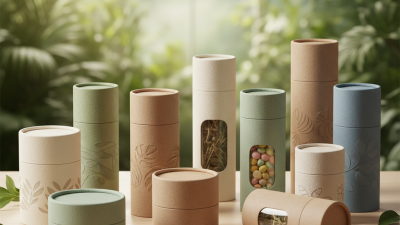
These containers are used widely across various industries. From cosmetics to food products, Paper Tube Containers are versatile. They offer secure storage and attractive presentations for products, enhancing branding efforts. However, the industry faces challenges. Some companies struggle with sourcing quality materials that meet sustainability standards. Others find it difficult to compete with cheaper plastic options.
Despite these obstacles, companies are innovating. The efficiency of production methods is improving. There's a growing recognition of Paper Tube Containers' role in promoting sustainability. Choosing them can reflect a brand’s commitment to environmental responsibility. As we explore their uses, it’s essential to recognize both the possibilities and imperfections in this evolving market.
What are Paper Tube Containers and Their Definition in Packaging?
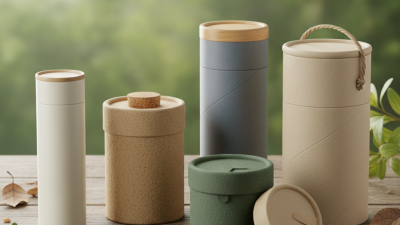
Paper tube containers are cylindrical packaging solutions made from paperboard. They are lightweight yet sturdy, making them an ideal choice for various products. These containers can be seen in many applications, from cosmetics to food packaging. Their versatility and eco-friendliness attract manufacturers and brands looking to reduce their carbon footprint.
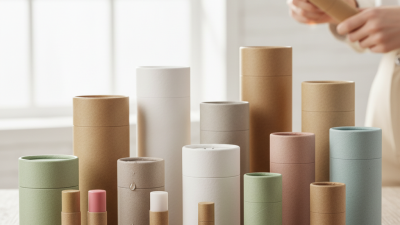
One important aspect of paper tube containers is their ability to be customized. Businesses can choose different sizes, colors, and finishes. This customization allows for brand differentiation and enhances shelf appeal. However, the recycling capabilities may vary. It’s crucial to understand the materials used in the production process to ensure proper disposal.
Tips: Consider the dimensions of your product before selecting a size. Test your design on a sample tube to see how it feels in hand. Keep in mind that the cost of customization may rise with intricate designs. Always balance aesthetics with functionality to avoid creating a packaging design that looks good but may not protect the product effectively.
Paper Tube Container Usage by Industry
Historical Development of Paper Tube Containers in Various Industries
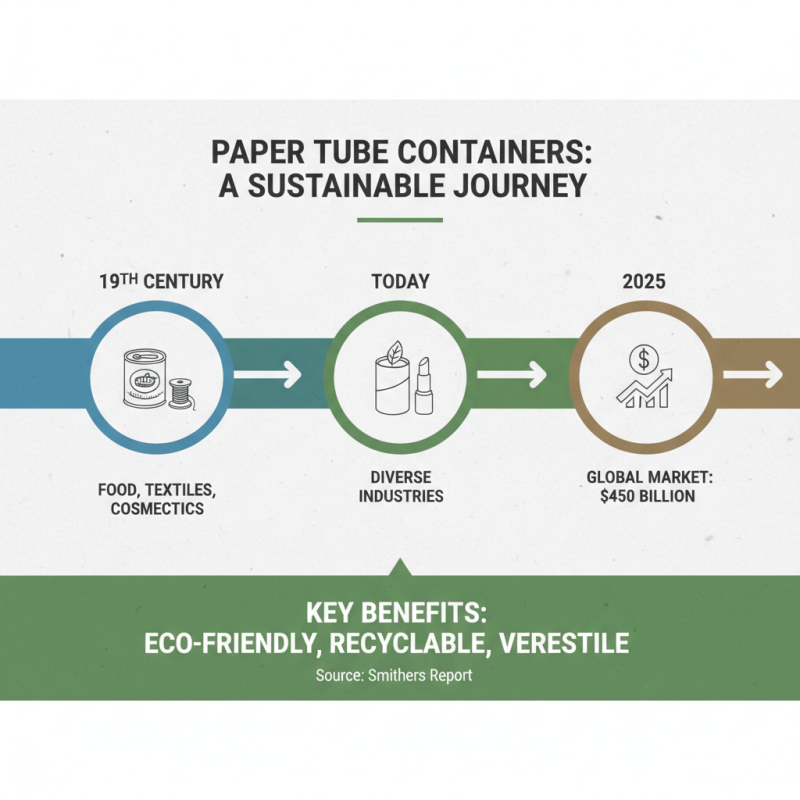
Paper tube containers have a rich history, evolving across various industries. Initially used in the packaging of food products, these containers gained traction in the textile and cosmetics sectors during the 19th century. According to a report by Smithers, the global market for paper packaging is expected to reach $450 billion by 2025. This illustrates the growing significance of paper tubes in sustainable packaging solutions.
The versatility of paper tubes allowed for innovative applications. In the construction industry, they serve as durable protective casings for cables and rolled materials. A notable study by Freedonia Group states that the demand for paper tubes in construction packaging will increase by 4.5% annually. However, challenges remain regarding their durability against moisture and physical stress. The design of paper tubes must adapt to address these issues effectively.
Despite their versatility, paper tubes are not without limitations. They often lack the resilience needed for heavy-duty applications, leading to potential failures in some contexts. The industry must invest in research to enhance their strength and barrier properties. This focus is crucial because sustainability must go hand in hand with functionality for paper tube containers to thrive in competitive markets.
Key Materials Used in the Production of Paper Tube Containers
Paper tube containers are gaining popularity for their versatility. The key materials in their production play a significant role in their effectiveness and sustainability. Typically, these containers are made from recycled paperboard or cardboard. This choice helps in reducing waste and promoting eco-friendliness.
In addition to recycled paper, glue and coatings are essential components. The glue binds the layers of paper, ensuring the container maintains its shape. Coatings can provide moisture resistance, which is crucial for products that may encounter humidity. Some coatings may include natural wax or polyethylene, depending on the intended use. It’s worth considering the environmental impact of these materials.
Although paper tubes are strong, they sometimes fall short in durability compared to plastic. This raises questions about their use in high-stress environments. Also, the choice of materials can affect biodegradability. Striking a balance between strength and environmental responsibility can be challenging. Overall, paper tube containers showcase flexibility, but selecting the right materials remains a complex decision.
Applications of Paper Tube Containers in Food, Cosmetics, and Industrial Sectors
Paper tube containers are gaining popularity in various sectors. Their versatility is unmatched. In the food industry, paper tubes provide a sustainable option for packaging. According to a recent study, the global demand for eco-friendly packaging is expected to grow at a CAGR of 5.7% by 2025. These containers can hold snacks, coffee, and even sauces. Yet, attention to material quality is crucial. Poorly made tubes can compromise product integrity.
In cosmetics, paper tubes are an emerging trend. They often replace plastic packaging. Reports show that 74% of consumers prefer brands that use sustainable materials. These containers can hold creams, balms, and even solid perfumes. However, makers must ensure that the tube’s inner lining preserves product freshness. Without proper design, formulations can degrade.
Tip: Consider the thickness of paper used. Thicker tubes provide better protection during shipping and handling.
Industries are also utilizing paper tubes for storage and shipping. These containers are lightweight yet sturdy. For optimal use, businesses should assess the specifications of the products being packaged. Some paper tubes may not withstand extreme conditions. Input from customers about the durability of packaging can guide improvements. Testing is essential to meet both functionality and sustainability goals.
Sustainability Benefits of Using Paper Tube Containers Compared to Plastics
Paper tube containers are gaining popularity as an eco-friendly alternative to plastic packaging. They are made from renewable resources, which reduces our reliance on fossil fuels. Unlike plastic, which can take hundreds of years to decompose, paper tubes can break down naturally, promoting healthier ecosystems. This shift towards sustainability is crucial as we face a growing environmental crisis.
Choosing paper tubes over plastic offers several benefits. For instance, they can be recycled easily. Many communities have systems in place for recycling paper, while plastic often ends up in landfills. Additionally, manufacturing paper products tends to consume less energy than producing plastic containers. This energy efficiency leads to a smaller carbon footprint and less overall pollution.
**Tip:** When selecting packaging, consider how it will impact the environment. Look for materials that are both functional and sustainable.
Transitioning to paper tube containers may not be perfect. Some users report that paper tubes can lack durability compared to plastic. They may not protect contents as well for long-term storage. It's crucial to evaluate your specific needs carefully.
**Tip:** Test different paper tube designs to find the right balance between strength and eco-friendliness.
What are Paper Tube Containers and Their Uses? - Sustainability Benefits of Using Paper Tube Containers Compared to Plastics
| Container Type |
Material |
Applications |
Sustainability Benefits |
| Paper Tube |
Recycled Paper |
Food packaging, Cosmetics packaging |
Biodegradable, Reduces plastic waste |
| Cardboard Tube |
Brown Kraft Paper |
Shipping, Mailing purposes |
Renewable resource, Recyclable |
| Spiral Paper Tube |
Spiral-wound Paperboard |
Craft supplies, Gift wrapping |
Less energy-intensive to produce than plastic |
| Custom Printed Tube |
Paper with Custom Printing |
Branded packaging |
Promotes sustainability, Improves brand image |