What Are Paper Tube Containers and Their Benefits?
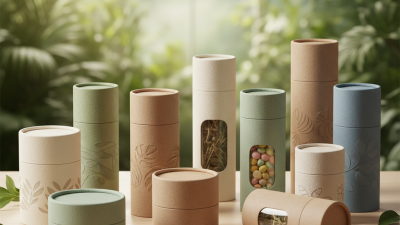
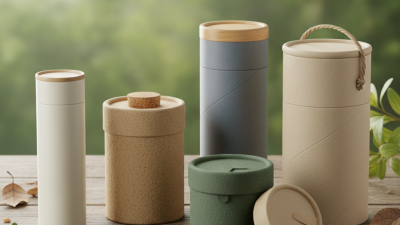
Paper Tube Containers have become a popular choice for packaging in various industries. These sturdy and versatile containers are made from recycled paper materials. They provide an eco-friendly alternative to plastic packaging. With a wide range of sizes, they cater to the needs of both small businesses and large enterprises.
One of the key benefits of Paper Tube Containers is their durability. They protect products from damage during transport. These containers are also lightweight, saving on shipping costs. Moreover, they can be customized with unique designs and labels. This feature enhances brand visibility and appeal to consumers.
However, it's important to address some challenges. Not all products may suit Paper Tube Containers. The moisture-sensitivity of some items could lead to issues. Additionally, the production process may not be perfect and can vary in quality. Reflecting on these factors can lead to more informed choices in packaging solutions.
What Are Paper Tube Containers?
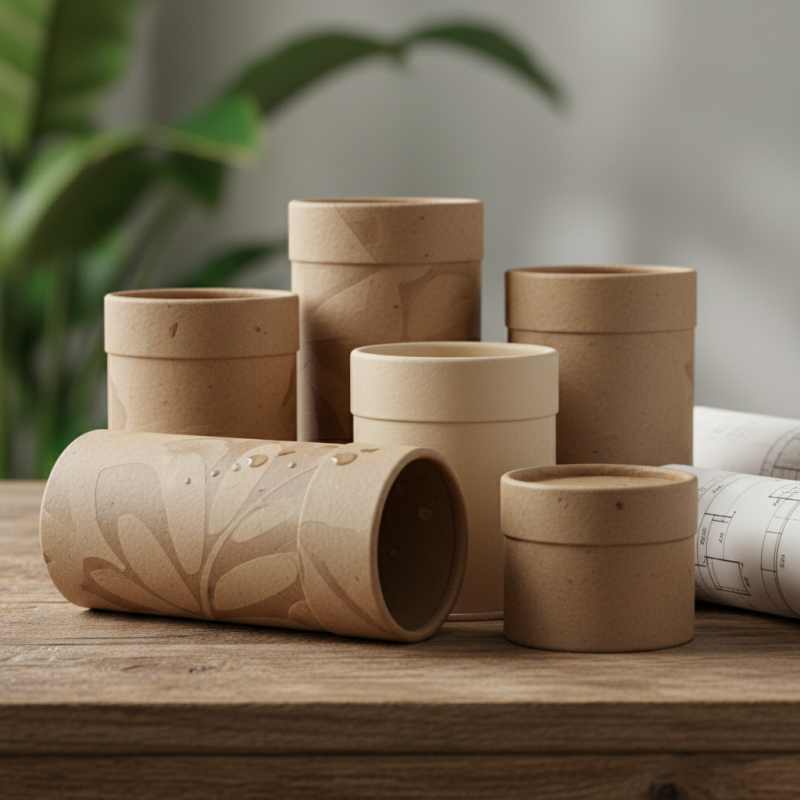
Paper tube containers are innovative packaging solutions made from recyclable materials. They are cylindrical in shape and designed for various products. Their environmental footprint is considerably smaller than plastic options. In fact, the paper tube industry is projected to grow by 4.5% annually. This growth stems from a shift in consumer preference towards sustainable packaging.
These containers offer many benefits. They are lightweight yet sturdy, ensuring that products are well-protected during shipping. The design is versatile, suitable for cosmetics, food, and even small electronics. Additionally, they are customizable, allowing brands to print unique designs. A report noted that 65% of consumers prefer products in eco-friendly packaging. Yet, some manufacturers still face challenges with production costs.
However, not everything is perfect in the paper tube world. Consistency in quality remains an issue for some producers. Inadequate sealing can lead to product exposure. Moreover, the lack of awareness regarding their benefits may limit consumer acceptance. There is room for improvement, especially in educating both businesses and consumers about the advantages of switching to paper tube containers.
Historical Development of Paper Tube Containers in Packaging
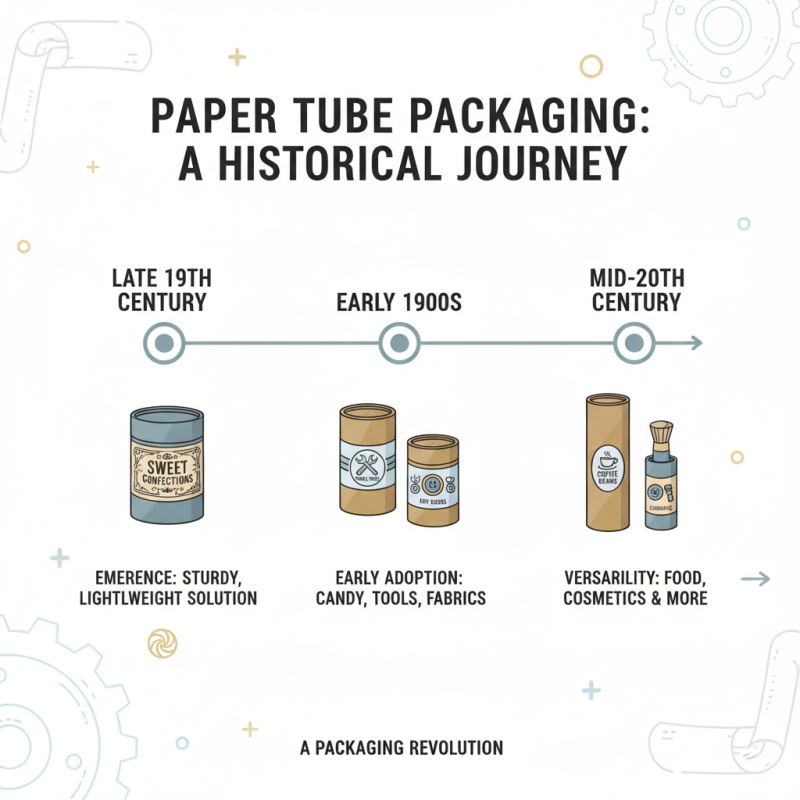
The historical development of paper tube containers in packaging showcases their evolution over time. Initially, these containers emerged in the late 19th century. They offered a sturdy, lightweight solution for various products. Many manufacturers began using them for items like candy and small tools. This shift marked a turning point in packaging methods.
By the mid-20th century, the use of paper tube containers expanded further. More industries recognized their versatility. They became popular in the cosmetics and food sectors. The design improved as technology advanced, allowing for enhanced printing and customization. However, there was a catch. Not all designs met consumer expectations. Many containers lacked durability, leading to product damage.
Today, paper tube containers are strong and eco-friendly. Yet, challenges remain. Some still question their sustainability. Quality control can vary greatly among producers. Nonetheless, these containers represent a significant shift in packaging history. They reflect a growing trend toward sustainable practices in various industries.
Key Materials Used in Manufacturing Paper Tube Containers
Paper tube containers are becoming increasingly popular due to their eco-friendly characteristics and versatile applications. The materials used to manufacture these containers play a crucial role in their overall effectiveness and sustainability. Primarily, recycled paperboard and kraft paper are commonly used, offering durability and recyclability. According to industry reports, about 90% of paper tubes are made from these two materials, ensuring minimal environmental impact.
The manufacturing process often requires multiple layers to enhance strength. This layered construction significantly increases the container’s ability to withstand pressure, making it suitable for a variety of products, from cosmetics to food packaging. Interestingly, the thickness of the paper can vary, with industry standards measuring anywhere from 0.3 mm to 1.0 mm, catering to specific consumer needs. Also, the adhesives used are often water-based and non-toxic, aligning with the growing demand for safe packaging solutions.
Despite their advantages, there are challenges to address. Not all paper tubes are suitable for all products. For instance, moisture sensitivity can limit usage in humid environments. Additionally, while many manufacturers are shifting to sustainable practices, some still rely on non-recyclable components. This discrepancy highlights the need for ongoing innovation and improvement in material selection and production methods.
Benefits of Using Paper Tube Containers
Benefits of Paper Tube Containers: Sustainability and Versatility
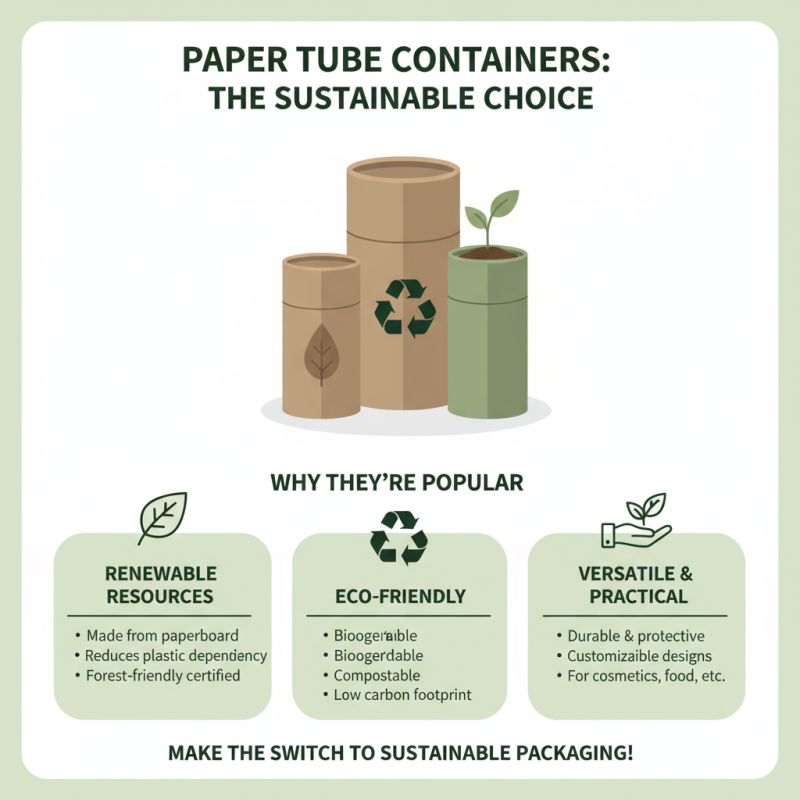
Paper tube containers are gaining popularity for various reasons. Their sustainable nature makes them an appealing choice. Made from renewable resources, these containers reduce reliance on plastic. They are biodegradable, ensuring a smaller ecological footprint.
Versatility is another strong point. Paper tubes come in various sizes and designs, suitable for packaging many products. From cosmetics to food items, they fit well in different industries. Customization options allow brands to create unique packaging. Brands can incorporate vibrant colors and creative designs, enhancing visibility on shelves.
**Tip:** When choosing paper tube containers, consider the thickness and durability. Thicker paper offers better protection for your items. Thin tubes may not hold up during shipping or handling.
Paper tubes are not perfect. Some may struggle with moisture resistance. It's essential to test their performance with your specific products. Understand their limitations to avoid disappointment. Choose the right type of paper tube for your needs.
Market Trends: Growth Statistics and Future Projections for Paper Tubes
The market for paper tube containers is seeing significant growth. According to recent industry reports, the global paper tube market is projected to expand at a compound annual growth rate (CAGR) of over 5% by 2030. This trend is driven by increased demand in various sectors, including cosmetics, food, and consumer goods.
The need for sustainable packaging is reshaping the landscape. Many businesses are choosing paper tubes as eco-friendly alternatives to plastic. This shift not only reduces plastic waste but also appeals to environmentally-conscious consumers. The appeal of minimalistic designs with vibrant print options further boosts market attractiveness.
**Tip:** When considering packaging options, evaluate the environmental impact of materials. Paper tubes offer a recycling-friendly solution.
Despite the promising growth, challenges remain. The cost of raw materials can fluctuate, impacting pricing structures. Additionally, production processes may need updates to meet rising demand efficiently. It’s important to stay informed about industry trends and innovations.
**Tip:** Regularly review market reports for insights on pricing and materials. Staying ahead can lead to better strategic decisions.
What Are Paper Tube Containers and Their Benefits? - Market Trends: Growth Statistics and Future Projections for Paper Tubes
| Dimension |
Statistics / Data |
| Market Size (2022) |
$3.2 Billion |
| Growth Rate (2023-2030) |
5.8% CAGR |
| Major Application Areas |
Food & Beverage, Cosmetics, Pharmaceuticals |
| Environmental Impact |
100% recyclable and biodegradable |
| Consumer Preference (% favoring paper tubes) |
75% |
| Expected Market Value (2030) |
$5.5 Billion |