2026 How to Choose the Best Plastic Bottle Packaging?
Choosing the right plastic bottle packaging is crucial for any product. The design, material, and functionality of the packaging can impact the product's success. Many businesses overlook this important aspect.
Plastic bottle packaging comes in various shapes and sizes. Each option serves different purposes. You may find options that enhance shelf appeal or ensure product safety. However, not every type fits all products. Make sure to evaluate your company's needs carefully.
It's also essential to consider environmental impact. Sustainable choices are gaining popularity. Although cost is a factor, think about long-term benefits. Investing in quality plastic bottle packaging can foster brand loyalty. Reflect on the choices available and understand their implications for both consumers and the environment.
Understanding the Importance of Plastic Bottle Packaging in 2026
In 2026, plastic bottle packaging remains crucial for various industries. Its role is expanding, driven by consumer demand for sustainability and convenience. According to a report from Global Market Insights, the plastic packaging market is projected to exceed $650 billion by 2027. This growth emphasizes the increasing reliance on efficient packaging solutions.
Choosing the right plastic bottle involves more than just aesthetics. Factors like material type, recyclability, and shelf life are vital. Recent studies show that nearly 70% of consumers prefer brands with sustainable packaging. This poses a challenge for manufacturers. They must adapt to changing consumer preferences while balancing cost and functionality. It's not always easy to achieve this balance.
While many companies have embraced recycled materials, quality remains an ongoing issue. Not all recycled plastics perform equally, which questions their suitability for certain products. The journey to truly sustainable packaging is complex. Companies must continuously innovate while addressing these hurdles. As the industry evolves, ongoing evaluation is necessary for meaningful progress in plastic bottle packaging.
Key Factors to Consider When Choosing Plastic Bottle Materials
When choosing plastic bottle materials, several key factors emerge. The type of plastic impacts the bottle's safety and durability. Common choices include PET, HDPE, and PP. Each type has unique properties. For example, PET is lightweight and ideal for carbonated beverages. HDPE boasts excellent resistance to impact and is often used for milk containers. Understand each material's strengths and weaknesses when making your selection.
Tips: Research your product’s needs. Does it require high barrier properties? Is it for hot or cold fill? Consider the intended use and environment. Sustainability is a rising concern. Some plastics are recyclable, and using them can enhance your brand’s appeal. Yet, don't overlook the cost factor. Sometimes, eco-friendliness comes at a premium.
Also, think about the bottling process. Different materials react differently to heat and pressure. Some materials may warp or degrade, affecting the product's safety. Evaluate these risks carefully. Consider consumer preferences for packaging. Popular opinion may sway toward more eco-friendly options, influencing purchasing decisions. Balancing all these elements is crucial to finding the right fit for your product.
2026: Key Factors to Consider When Choosing Plastic Bottle Materials
Evaluating Design and Shape for Optimal Product Presentation
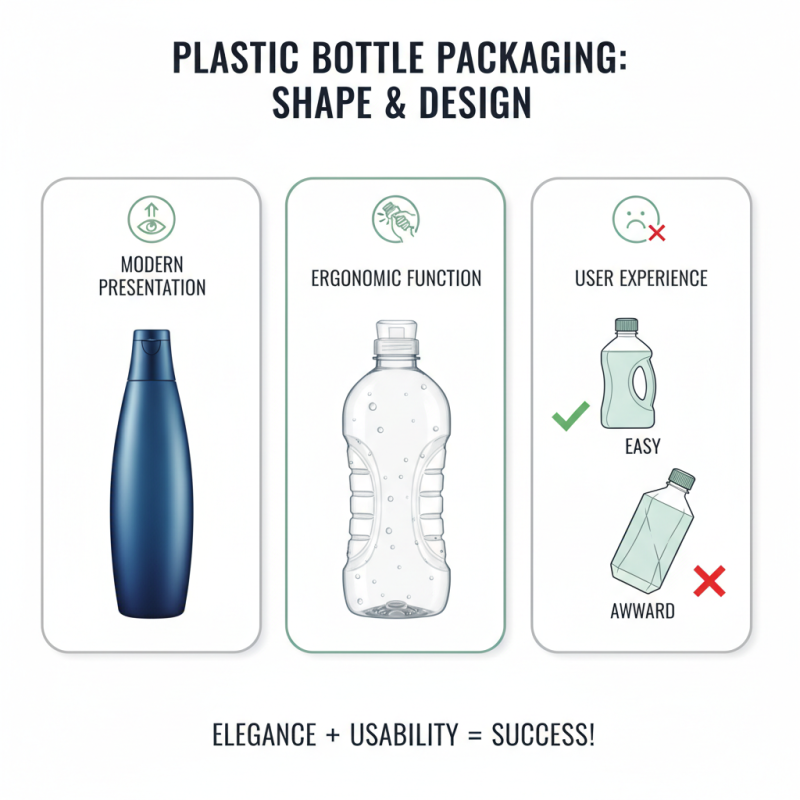
When choosing plastic bottle packaging, design and shape can greatly impact product presentation. A sleek, modern silhouette may attract customers, but functionality is key. Bottles must be easy to hold and pour. Consider the user experience: if the shape feels awkward, it may deter potential buyers. An elegant design should not compromise usability.
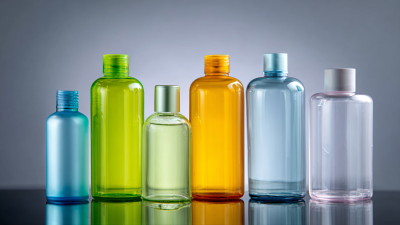
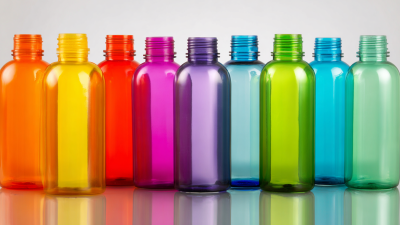
Color and texture also play important roles in presentation. Transparent bottles showcase the product inside, while bold colors can convey energy. However, colors can evoke mixed feelings; a bright tint may appeal to some but repel others. Finding that balance is crucial. Experimenting with different finishes, like matte or glossy, can create distinct looks but may confuse consumers if overdone.
Don’t overlook the neck size and cap design. A smaller neck can create a premium feel but may complicate pouring. On the other hand, a wider neck might be seen as more practical but could look less refined. Each choice should be reflective and strategic. Design should serve the product, not overshadow it. Aim for simplicity that intrigues without overwhelming.
Sustainability Considerations in Plastic Bottle Packaging
When considering plastic bottle packaging, sustainability plays a crucial role. Over 300 million tons of plastic are produced annually, with only 9% being recycled. This statistic highlights the urgent need for eco-friendly practices in the industry. The reliance on single-use plastics continues to be a pressing issue. Companies must prioritize materials and processes that reduce their environmental impact.
Here are some tips for sustainable packaging choices:
- Choose recycled materials when possible. This reduces the demand for new plastic production.
- Design bottles for recyclability. Simplifying materials can enhance recycling efficiency.
One area for reflection is the use of bioplastics. These materials can seem promising, but production can be resource-intensive. Some bioplastics do not biodegrade effectively, further complicating waste management.
Moreover, the production process of different plastic types varies in environmental impact. Understanding these complexities can guide better decisions. Regular assessments of packaging strategies can help identify areas for improvement. It is essential for companies to commit to transparent practices and continuous innovation.
Regulatory Compliance and Safety Standards for Plastic Bottles
When considering plastic bottle packaging, regulatory compliance is crucial. Different regions have distinct regulations. These regulations ensure that plastic bottles meet safety standards. They govern materials, designs, and labeling. Knowing these rules can save manufacturers from costly penalties.
Safety standards focus on health risks. Bottles must be made from FDA-approved materials. Testing for harmful chemicals is essential. Companies should also consider environmental impact. Regulations are evolving to address sustainability. Many consumers expect eco-friendly practices. This creates pressure for compliance.
There can be uncertainty in navigating these standards. Some businesses may overlook required tests. Others might struggle with the continuous updates in legislation. It's vital to stay informed. Regular training can enhance understanding of these issues. Engaging with experts can also offer valuable insights.