Top Tips for Eco Friendly Plastic Bottle Packaging Solutions?
In the evolving world of packaging, sustainability takes center stage. The plastic bottle packaging industry has begun to prioritize eco-friendly solutions. Renowned expert, Dr. Emily Green, notes, "Innovation in packaging must align with our environmental commitments." Her words resonate as companies explore greener materials and processes.
Traditional plastic bottle packaging contributes significantly to waste. Consumers are increasingly aware of this impact. Brands must adapt, seeking sustainable alternatives. For example, biodegradable plastics or recycled materials are gaining traction. These options offer a chance to reduce environmental footprints. Yet, many companies still grapple with finding cost-effective solutions.
As we reimagine plastic bottle packaging, challenges remain. Not every innovative idea is feasible. Some materials may not provide the same durability. Reflecting on these imperfections allows for growth and improvement. The journey towards eco-friendly packaging is ongoing. Embracing this change is vital for the health of our planet.

Understanding the Environmental Impact of Plastic Bottles
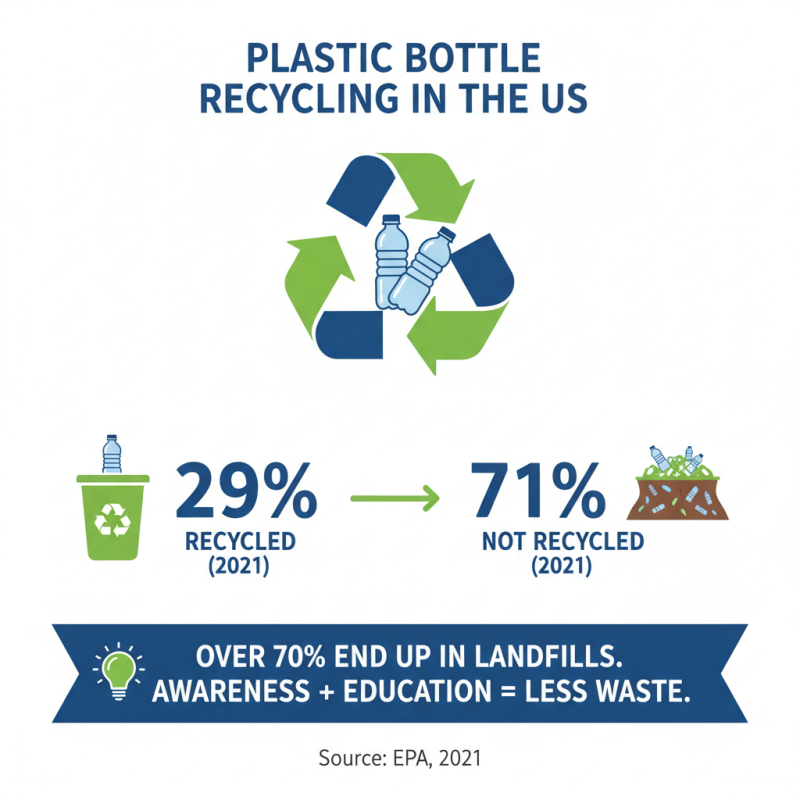
Plastic bottles are a significant environmental concern. According to a 2021 report by the World Economic Forum, over 300 million tons of plastic are produced each year, with a large portion being single-use. This contributes massively to pollution and landfill waste. Some estimates suggest that only 9% of plastic waste is recycled, meaning the vast majority ends up in our oceans and natural habitats.
Understanding the impact of plastic bottles encourages action. Each plastic bottle can take up to 450 years to decompose. This is troubling, as millions are discarded daily. Innovative biodegradable alternatives are emerging, but they are not yet widely adopted. Companies need to reflect on their packaging choices and the consequences of their designs.
**Tip: Choose recyclable materials.** Utilizing already recyclable components can reduce waste significantly. **Tip: Commit to refillable options.** Offering a refill service can lower the demand for single-use bottles. **Tip: Educate consumers.** Raising awareness about proper disposal can increase recycling rates. We must rethink our consumption habits. Every small effort counts towards a more sustainable future.
Environmental Impact of Plastic Bottles: A Comparison of Recycling Rates
Exploring Sustainable Materials for Bottle Packaging Alternatives
As we explore sustainable materials for bottle packaging alternatives, various options emerge.
Biodegradable plastics are one popular choice. Made from renewable resources, these materials break down more quickly than traditional plastics. However, their production still consumes energy and resources, presenting a challenge for full sustainability.
Another alternative is glass. Glass is infinitely recyclable. It can be reused multiple times without degrading.
But the energy used in glass production is considerable. Transporting glass can also lead to a higher carbon footprint due to its weight. We must weigh these factors when considering packaging solutions.
Plant-based materials are gaining traction as well. These options include corn starch and sugarcane. While they reduce reliance on fossil fuels, their cultivation can pose real environmental challenges.
Water usage and farming practices must be sustainable to ensure a positive impact. Examining these materials reveals the complexity of achieving eco-friendly packaging.
Innovative Design Strategies for Eco-Friendly Bottle Solutions
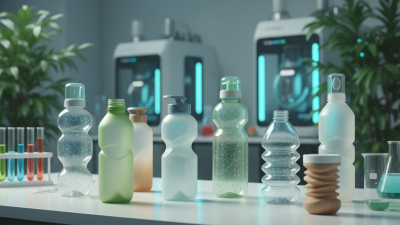
Designing eco-friendly plastic bottle packaging requires creativity and thoughtfulness. Innovative designs focus on sustainability while meeting consumer needs. Simplifying shapes can minimize material use. For instance, unique geometric designs can use less plastic while still maintaining the bottle's integrity.
Choosing materials wisely can significantly impact the environment. Biodegradable plastics or recycled materials are excellent options. These materials can often degrade quicker than traditional plastics. However, their availability can be inconsistent in some regions, presenting a challenge. Balancing functionality with sustainability is vital. Consumers expect durability, yet they also demand greener choices.
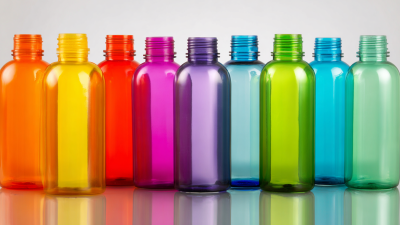
Branding is another key component. Eye-catching visuals can enhance the bottle's appeal. Natural colors and textures can evoke an eco-friendly image. Yet, not all designs succeed in conveying this message. Companies must continually evaluate if their packaging meets consumer expectations. An unappealing eco-design may not resonate. Continuous feedback is essential for improvement in this evolving market.
Consumer Awareness and Education on Eco-Friendly Packaging Choices
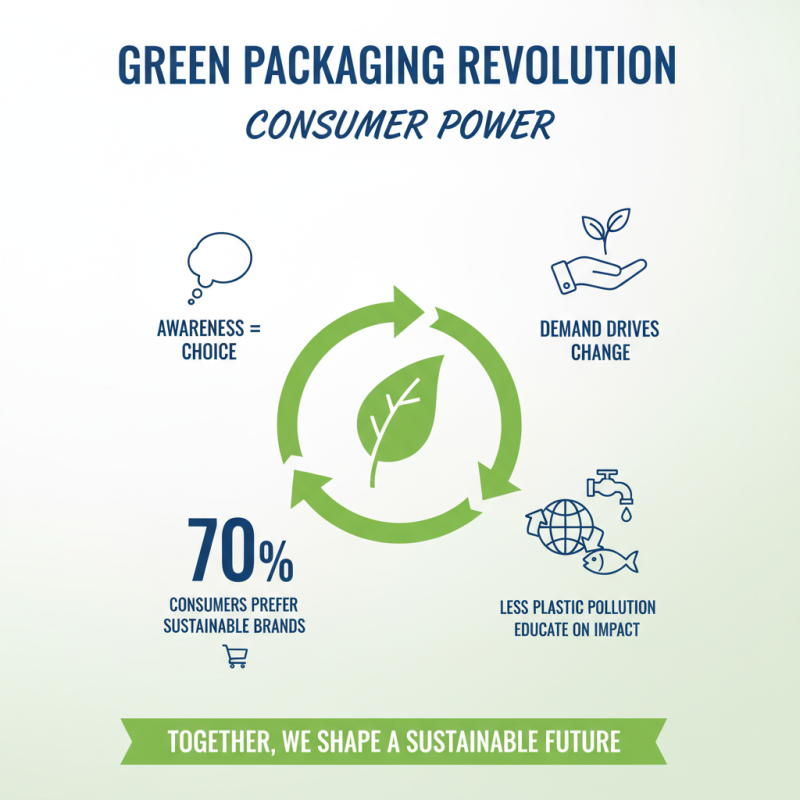
Consumer awareness is a crucial factor in the transition to eco-friendly packaging. Recent studies indicate that around 70% of consumers prefer brands that use sustainable packaging. This demands a strong education effort. Many consumers remain unaware of the impact of traditional plastic packaging on the environment.
To make a significant impact, brands must educate their customers on eco-friendly options. Providing clear information about recycling, bioplastics, and reusable packaging can empower consumers. Encouraging them to understand certificates and labels is essential. It creates transparency and builds trust. When consumers know what to look for, their choices can drive change.
Tips for eco-friendly packaging include choosing materials that are easily recyclable or biodegradable. Brands should consider using plant-based plastics. These alternatives reduce dependency on fossil fuels. Another tip is optimizing packaging size. Smaller packages use less material and are easier to transport. Eco-friendly practices are not just a trend; they are necessary for a sustainable future. However, not every option is perfect. Continuous improvement and consumer feedback are vital parts of developing a more sustainable approach.