Top Tips for Eco Friendly Cosmetic Packaging Solutions
The cosmetics industry is under increasing pressure to adopt sustainable practices. In 2021, a report by Grand View Research revealed that the global green cosmetics market was valued at approximately $11.5 billion and is expected to grow significantly. Consumers are demanding products that prioritize environmental responsibility. A crucial aspect is Eco Friendly Cosmetic Packaging, which addresses both aesthetic appeal and eco-conscious values.
Packaging accounts for about 30% of the total environmental impact of a product. Traditional packaging materials, often non-biodegradable, contribute to long-term pollution. Brands must rethink their approach to packaging by choosing materials that are recyclable or biodegradable. This not only boosts brand loyalty but also aligns with the evolving consumer mindset that favors sustainability. Research shows 75% of consumers are likely to switch brands for more sustainable options.
Despite the push for eco-friendly solutions, many brands struggle with the costs and logistics of implementing these changes. It's essential to recognize that the journey toward sustainability is not linear. Challenges arise, such as sourcing materials and ensuring product integrity. Nonetheless, embracing Eco Friendly Cosmetic Packaging is a step in the right direction towards a more sustainable future.

Exploring the Importance of Eco-Friendly Cosmetic Packaging Solutions
Eco-friendly cosmetic packaging is crucial in combating plastic waste. With increasing awareness, consumers are leaning towards brands that prioritize sustainability. This trend reflects a growing responsibility toward the environment.
To implement eco-friendly packaging, brands can explore biodegradable materials. These alternatives break down naturally and reduce landfill impact. Using recycled paper or glass is another option. These materials are widely accepted and can be stylish. Brands should consider the entire lifecycle of their packaging.
Here are some tips for improvement. Collaborate with suppliers to source sustainable materials. Transparency is key; share your eco-friendly practices with consumers. Engage customers in recycling initiatives to build community awareness. Striving for perfection may lead to setbacks, but progress is what counts. Each small change contributes to a larger impact on the planet.
Materials Used in Sustainable Cosmetic Packaging
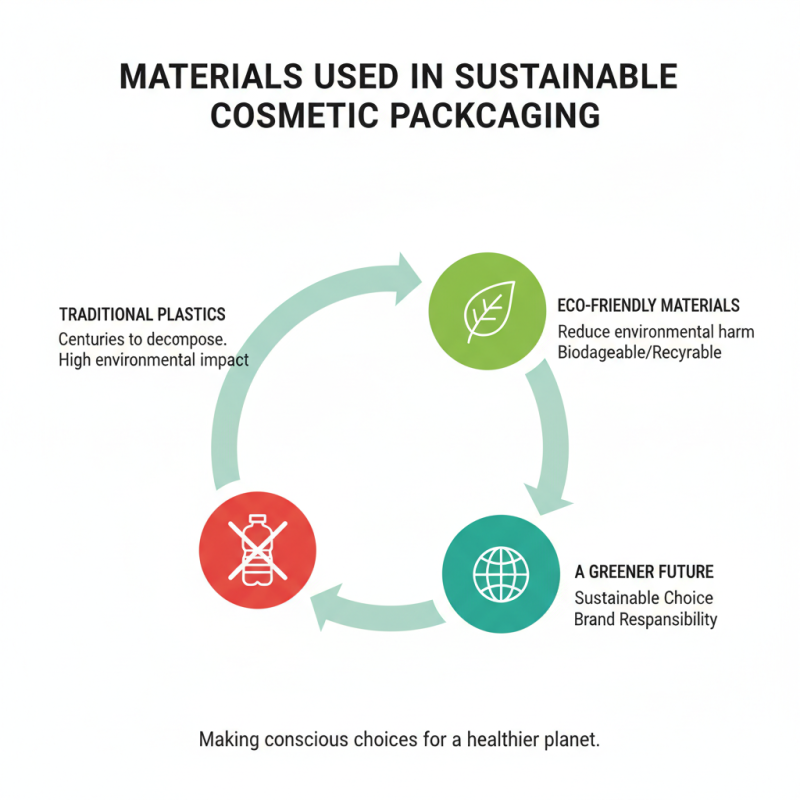
Sustainable cosmetic packaging is crucial in reducing environmental impacts. Traditional packaging often relies on plastics, which can take centuries to decompose. In contrast, eco-friendly materials offer better options that align with a greener future.
Biodegradable options, such as plant-based plastics, are gaining popularity. These materials break down naturally. Another interesting choice is recycled paper, which can be used for boxes and labels. It reduces waste and supports a circular economy.
Glass containers are also making a comeback. They are recyclable and reusable. Though heavier than plastic, they provide a premium feel and a barrier against contamination. However, the logistics of glass can be cumbersome, reminding us that no solution is perfect. Each choice has its pros and cons. Seeking balance is essential in creating truly sustainable cosmetics packaging.
Designing for Recycling: Best Practices in Eco-Friendly Packaging
When designing eco-friendly cosmetic packaging, considering recyclable materials is crucial. According to a report by the Ellen MacArthur Foundation, only 14% of plastic packaging is currently recycled. This highlights the need for brands to focus on sustainable designs that encourage recycling.
Using materials like glass, metals, and certain biodegradable plastics can enhance recyclability. These materials have higher recycling rates compared to traditional plastics. For example, the recycling rate for aluminum is around 75%. A significant challenge is the design of multi-material packaging, which complicates recycling efforts. Brands should simplify their packaging by using single-material designs whenever possible.
Labels play a vital role too. Clear recycling instructions can significantly impact consumer behavior. Research by the National Recycling Coalition shows that 80% of consumers will recycle if they understand how to do it. However, miscommunication remains an issue. Packaging that doesn’t clearly convey its recyclability can lead to contamination in recycling streams. Brands should prioritize transparency, helping consumers make informed decisions.
Innovative Technologies Enhancing Eco-Conscious Cosmetic Packaging
The cosmetic industry is undergoing significant transformation with innovative technologies pushing the boundaries of eco-friendly packaging. Many brands are now using biodegradable materials, which break down naturally and reduce environmental impact. These materials not only minimize waste but also appeal to environmentally conscious consumers. Additionally, advancements in plant-based plastics offer a sustainable alternative to traditional packaging. This shift is crucial as consumers increasingly demand greener solutions.
Tips for eco-friendly packaging include using refillable containers. This approach not only reduces plastic waste but also encourages customer loyalty. Consider integrating smart packaging technologies. QR codes or augmented reality features can engage consumers while providing information on recycling and sustainability practices.
Another trend is the use of minimalistic designs. Simple, elegant packaging reduces material usage and often enhances shelf appeal. Yet, companies must find a balance; it’s vital to ensure that reduced packaging does not compromise product safety. Brands may also wrestle with consumer behavior, as not all customers prioritize sustainability. This ongoing challenge calls for adaptive solutions that both educate and inspire change in consumer habits.
Eco-Friendly Cosmetic Packaging Solutions
Consumer Awareness and Its Impact on Eco-Friendly Packaging Trends
Consumer awareness has significantly changed the landscape of cosmetic packaging. Today, consumers are more informed about environmental issues. This shift influences companies to seek sustainable solutions. They recognize that eco-friendly packaging appeals to a growing segment of conscientious buyers. It’s no longer just a trend; it’s a necessity.
Many brands are experimenting with innovative materials. Biodegradable plastics and recycled materials are becoming common choices. However, not all efforts are effective. Some products claim to be eco-friendly but use minimal sustainable practices. This inconsistency can confuse consumers. It emphasizes the need for brands to be transparent about their packaging processes.
Receiving feedback from eco-conscious consumers is essential for improvement. Engaging in dialogue helps brands understand expectations. Some consumers feel frustrated when brands do not meet sustainability claims. This pressure can push companies toward genuine eco-friendly practices. Building trust through transparency can create a loyal customer base while positively impacting the environment.