
Your Trusted Partner for Extruded & Laminated Packaging Tubes | Est. 2004
Leave Your Message
EMILY Cosmetic Tube Packaging Launches Production-Friendly Tube Solution

2026 How to Choose the Right Label Tube for Your Packaging Needs?

In the competitive landscape of packaging, choosing the right Label Tube is crucial. According to a recent market report by Smith Packaging Insights, the demand for customized label tubes has surged by 35% over the past three years. This trend highlights the importance of product differentiation in increasingly crowded markets.

Industry expert Dr. Emily Richards emphasizes, "The right Label Tube can elevate branding and enhance consumer trust." Brands must consider factors like material, size, and design to ensure their packaging reflects their identity and meets customer expectations.

Yet, challenges remain. Many businesses underestimate the importance of user experience associated with Label Tubes. Packaging that is difficult to open or poorly designed can frustrate consumers. A thoughtful approach to Label Tube selection can lead to improved customer satisfaction and brand loyalty.

2026 How to Choose the Right Label Tube for Your Packaging Needs?

Understanding Different Types of Label Tubes Available in the Market
2026 How to Choose the Right Label Tube for Your Packaging Needs?

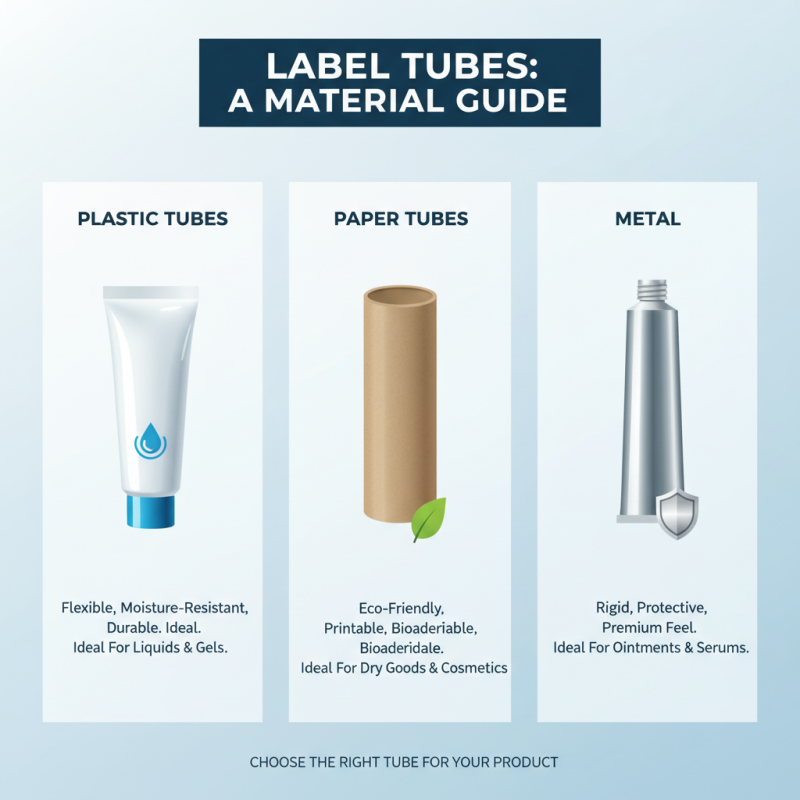
When selecting the right label tube for packaging, understanding the types available is crucial. Label tubes come in various materials, sizes, and shapes, each serving different purposes. Common materials include plastic, paper, and metal. The choice of material impacts durability and visual appeal. For instance, plastic tubes are often flexible and moisture-resistant, making them ideal for liquid products. In contrast, paper tubes offer a more eco-friendly option and can be easier to print on.

Tips: Consider your product's specific needs. If your product requires protection from light and air, select opaque or dark-colored tubes. Transparency might be better for items that benefit from visibility. Additionally, think about closure options. Secure caps prevent spills and ensure freshness.

Another factor to consider is the size of the tube. Smaller tubes work well for samples or travel sizes. Larger tubes may be better for bulk products. Remember, the tube's design should attract your target audience. A product's packaging can influence purchasing decisions significantly.

Tips: Test different designs before finalizing. Gather feedback from potential users. Their insights might reveal preferences you hadn’t considered. Keep the design simple yet effective to avoid overwhelming customers.
Factors to Consider for Selecting Label Tubes for Packaging

When choosing the right label tube for packaging, several factors play a crucial role. One important aspect is the size of the tube. It must accommodate your product securely. A too-tight fit can damage the product, while a loose fit can lead to spills. Consider both height and diameter before selecting a tube.

Material choice also impacts the effectiveness of your label tube. Different materials offer various levels of protection and aesthetics. Plastic tubes are lightweight and cost-effective, while glass tubes exude a premium appeal. Evaluate the environmental impact too. Sustainable options are becoming increasingly popular, reflecting consumer preferences.

Label design must not be overlooked. Clear, readable labels enhance brand visibility and guide consumer choices. Artwork should resonate with your target audience. However, simplicity is key. Overly complex designs can confuse customers. Always test your designs to gauge effectiveness. By considering these factors, you can refine your selection and enhance your packaging strategy.

2026 How to Choose the Right Label Tube for Your Packaging Needs?
Factor Description Considerations
Material Type The kind of material used for the tube Plastic, aluminum, glass; durability and compatibility with contents?
Size Dimensions of the tube Volume requirements, space constraints, portability?
Closure Type Method of sealing the tube Screw cap, snap cap, or other? Ease of use and security?
Print Quality Clarity and vibrancy of printed labels Color fidelity, durability against wear and tear?
Cost Overall cost of sourcing the tubes Budget constraints, bulk pricing options?
Environmental Impact Sustainability of the materials used Recyclable, biodegradable options?
Regulatory Compliance Adherence to industry regulations Safety standards, labeling requirements?

Evaluating Material Choices for Label Tubes and Their Applications

Choosing the right material for label tubes is crucial for effective packaging. Various materials have distinct features that affect functionality and cost. For instance, paper tubes provide a lightweight option but may lack durability against moisture. On the other hand, plastic tubes can offer a robust solution that resists wear and tear. The application often dictates the material choice, considering factors such as the product's exposure to elements.

Tips: Consider the product's lifespan. If it requires long-term storage, opt for sturdier materials. Evaluate how the label tube interacts with the product. If there’s potential for chemical reactions, choose compatible materials to enhance safety.

Transparency in packaging can boost customer trust. Clear plastic labels allow consumers to see the product inside, but ensuring a high-quality appearance is essential. Shiny finishes can enhance visual appeal but also attract fingerprints, which could detract from the product's presentation. Evaluate your design choices carefully for alignment with your brand image.

The Importance of Size and Shape in Label Tube Selection

When selecting a label tube for packaging, size and shape play crucial roles. They directly impact storage efficiency, product visibility, and user convenience. According to recent industry reports, packaging that accurately reflects product dimensions can increase customer satisfaction by up to 35%. Proper sizing minimizes waste and enhances shelf appeal.

Selecting the right size isn’t just about matching dimensions. It also involves considering the product’s lifecycle. A poorly sized tube may lead to overcomplication in logistics and increased cost per unit. For example, tubes that are too large can lead to product damage during shipping. Meanwhile, tubes that are too small risk underrepresentation of the product on shelves.

**Tips:** Always measure your product before choosing a tube. Conduct tests with samples to gauge size effectiveness. Experiment with different shapes; round tubes may be easier to stack, while rectangular ones could stand out better.

It’s essential to reflect on how your packaging represents your brand. What does the tube's design say about your product? A mismatch may confuse consumers and lead to sales loss. Many brands still struggle with balancing aesthetics and functionality. Prioritize your goals and ensure your label tube aligns with them.

2026 How to Choose the Right Label Tube for Your Packaging Needs?

This chart illustrates the importance of size and shape in label tube selection, showcasing the percentage of preference based on different dimensions.

Assessing Cost-Effectiveness and Durability of Label Tubes

2026 How to Choose the Right Label Tube for Your Packaging Needs?

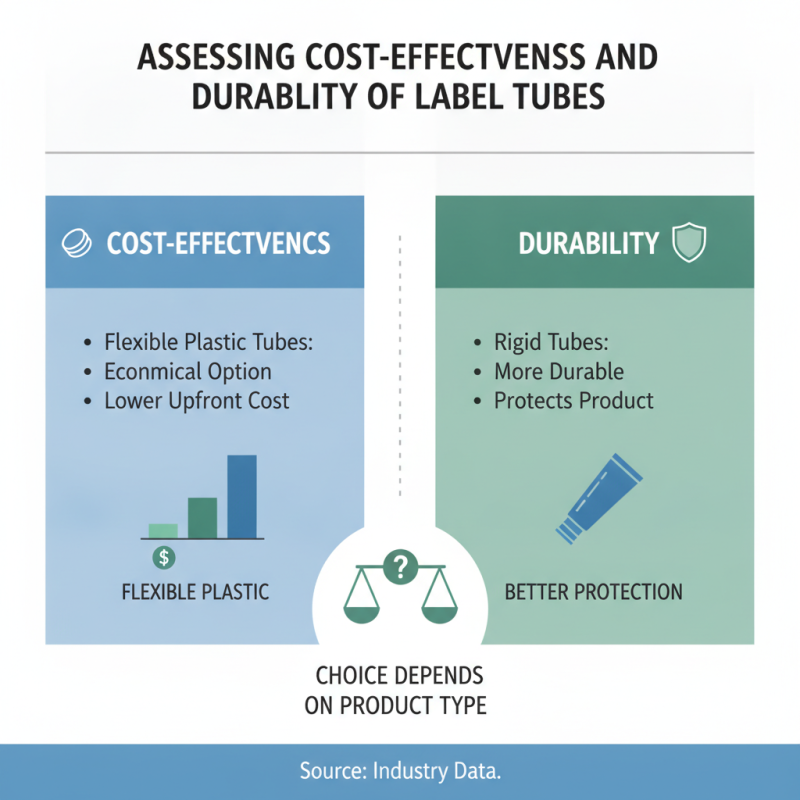
When choosing label tubes for packaging, understanding cost-effectiveness and durability is crucial. Label tubes vary widely in materials and costs. According to industry data, flexible plastic tubes can be economical, while rigid tubes often provide more durability. The choice largely depends on the nature of the product being packaged.

It’s vital to assess the lifespan of your packaging. A study from Packaging Technology and Science notes that consumers favor products in durable, long-lasting packages. Selecting materials that resist damage can enhance product preservation. Analyze your target market’s preferences to ensure that the label tube meets their expectations.

Tips: Opt for recyclable materials to reduce environmental impact. This choice often appeals to eco-conscious consumers. Additionally, conducting a cost-benefit analysis can reveal if investing in more durable tubes aligns with your budget. Evaluate your expected storage and transportation conditions. This reflection can lead to a better selection, balancing cost and durability effectively.