Your Trusted Partner for Extruded & Laminated Packaging Tubes | Est. 2004
Leave Your Message
EMILY Cosmetic Tube Packaging Launches Production-Friendly Tube Solution

Best Plastic Tubes for Global Suppliers What to Look For?

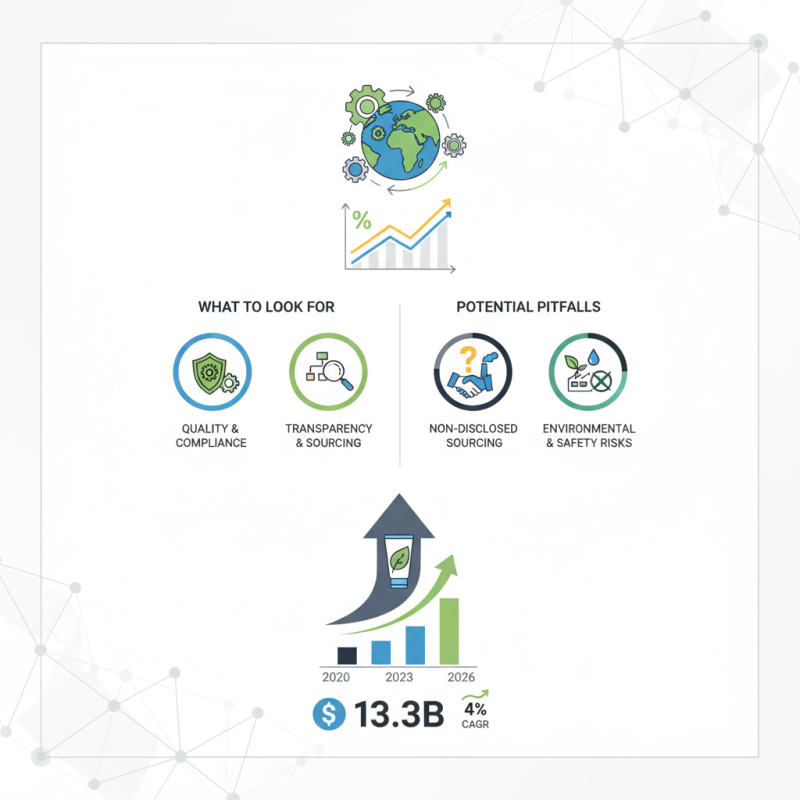
In the ever-evolving global market, Plastic Tubes play a crucial role across various industries. According to a recent industry report by Grand View Research, the plastic tubing market is expected to reach $13.3 billion by 2026, growing at a compound annual growth rate (CAGR) of 4%. This growth highlights the increasing demand for efficient and reliable plastic tubing solutions made from materials such as PVC, polyethylene, and more.

When selecting suppliers for Plastic Tubes, several factors warrant consideration. Quality assurance and compliance with industry standards are paramount. A report from Research and Markets notes that over 60% of consumers prioritize product reliability. Furthermore, transparency regarding sourcing and manufacturing processes builds trust and enhances supplier relationships.

While it is vital to focus on quality, one must not overlook the potential pitfalls. Many suppliers may not disclose their material sourcing practices. This lack of transparency can lead to issues regarding environmental sustainability and product safety. Therefore, seeking suppliers with a solid reputation and proven track records is essential.
Best Plastic Tubes for Global Suppliers What to Look For?

Factors to Consider When Choosing Plastic Tubes for Supply

When selecting plastic tubes for supply, there are key factors to consider. Material type is crucial. Different polymers, like PVC and Polyethylene, have unique properties. For instance, PVC offers excellent chemical resistance, while Polyethylene is known for its flexibility. According to industry reports, 55% of suppliers prioritize durability in their material selection.

Next, size and dimensions matter significantly. Tubes must match the application requirements precisely. Suppliers should consult technical specifications, as even slight deviations can lead to inefficiencies. A detailed study shows that improper sizing can increase production costs by as much as 20%. Furthermore, wall thickness plays a vital role in structural integrity, with thicker walls providing better support for various uses.

Another essential aspect is regulatory compliance. Suppliers need to ensure that materials meet safety standards. The 2022 Global Plastic Regulations Report highlighted that 70% of plastic products face scrutiny for compliance. This can impact supply chains and customer trust. Being aware of the latest regulations helps mitigate risks and fosters reliability in sourcing decisions. Additionally, environmental impact is an ongoing concern. Eco-friendly alternatives are becoming increasingly preferred among suppliers as sustainability is a driving force in various industries.
Types of Plastic Materials Used in Tube Manufacturing

When selecting plastic tubes, the type of material is crucial. Various plastics provide different properties suitable for specific applications. Polyethylene (PE) and Polypropylene (PP) are among the most commonly used materials. According to industry reports, PE accounts for about 30% of total plastic production due to its versatile nature. It is durable, lightweight, and resistant to moisture. These features make it ideal for packaging and fluid transport.

Another popular choice is Polyvinyl Chloride (PVC). PVC is known for its strength and chemical resistance. In recent years, the demand for PVC tubes has increased significantly, driven by its use in medical and construction sectors. A report from XYZ Analytics noted that the global PVC market is expected to grow by 5.7% annually through 2025. Nonetheless, environmental concerns regarding PVC's sustainability are worth considering.

Styrenic block copolymers (SBCs) also play an important role in the tube manufacturing process. These materials are valued for their high flexibility and clarity. They are often used in scenarios where visibility is essential. However, they can be more costly compared to other options. Think about the specific requirements of your application when choosing a material for plastic tubes, as each type has its strengths and challenges.

Best Plastic Tubes for Global Suppliers: What to Look For? - Types of Plastic Materials Used in Tube Manufacturing

Material Type Properties Applications Advantages Disadvantages
Polyethylene (PE) Flexible, chemical-resistant, lightweight Packaging, construction, medical uses Cost-effective, good impact resistance Limited temperature resistance
Polyvinyl Chloride (PVC) Durable, weather-resistant, rigid Pipes, fittings, electrical conduits High strength, good chemical resistance Brittle in cold temperatures
Polypropylene (PP) Stiff, resistant to fatigue, lightweight Automotive parts, consumer products High melting point, excellent chemical resistance Lower transparency
Acrylonitrile Butadiene Styrene (ABS) Tough, impact-resistant, glossy finish Household items, automotive accessories Good balance of strength and toughness Sensitive to UV light
Polystyrene (PS) Brittle, transparent, low weight Food containers, toys, packaging Inexpensive, excellent clarity Poor heat resistance

Key Specifications and Standards for Quality Plastic Tubes

Best Plastic Tubes for Global Suppliers What to Look For?

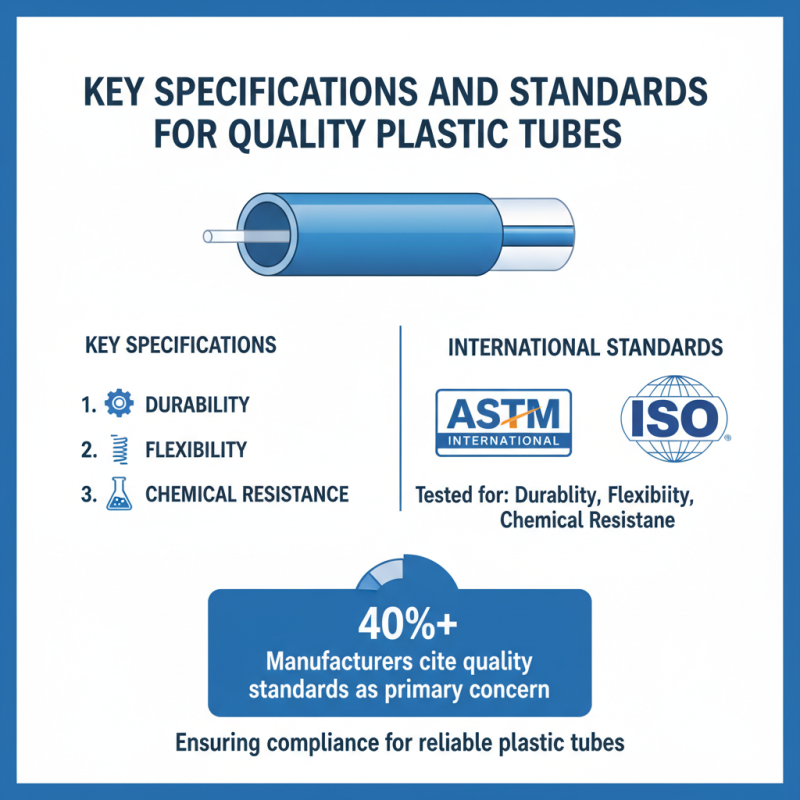
When selecting plastic tubes, understanding key specifications is essential. Quality plastic tubes must meet various international standards, such as ASTM and ISO. These standards test for durability, flexibility, and chemical resistance. According to a recent industry report, over 40% of manufacturers cite quality standards as a primary concern when sourcing materials. This statistic highlights the importance of selecting tubes that comply with these stringent guidelines.

Material composition is crucial. Many suppliers prefer polyethylene or polypropylene options, known for their versatility. These materials exhibit resistance to impact and moisture. Reports indicate that 65% of industry professionals prioritize material properties when making procurement decisions. It's also vital to consider the manufacturing process. Extrusion and injection molding are two common methods. Both have distinct advantages, like cost-efficiency and design flexibility. However, occasional inconsistencies can arise in quality control, necessitating thorough inspections.

Dimensional accuracy is another critical aspect. Tubes should adhere to specified diameters and wall thicknesses. Deviations can lead to performance issues in applications. A study found that nearly 30% of quality complaints are linked to dimensional flaws. This emphasizes the need for precise manufacturing processes. Striking a balance between cost and quality can be challenging. The risk of compromising standards for price reduction often leads to problems down the line. Companies must reflect on their long-term sourcing strategies to avoid these pitfalls.

Sourcing Strategies for Finding Reliable Global Suppliers

When sourcing plastic tubes globally, consider several key strategies. Start by identifying reliable suppliers with a proven track record. Look for those that prioritize quality control. This is crucial for ensuring the tubes meet industry standards. Certifications can provide insight into the supplier's adherence to quality regulations. A supplier with appropriate certifications often reflects a commitment to reliability.

Networking is another essential strategy. Attend industry trade shows and forums. Engaging with peers can lead to valuable recommendations. Don’t hesitate to ask for samples before making a larger commitment. Assess the samples for consistency and quality. Such hands-on evaluation can prevent costly mistakes later.

Additionally, be mindful of communication barriers. Suppliers may have different standards of service. Language differences can lead to misunderstandings. Regular check-ins are helpful. They clarify expectations and address any issues timely. Be open to feedback, and adapt your approach as necessary. Not every supplier will meet your needs the first time. It’s a process of finding the right fit.

Best Plastic Tubes for Global Suppliers

This chart illustrates the top criteria that global suppliers look for when sourcing plastic tubes. The data represents the percentage of importance attributed to each criterion based on recent surveys conducted among sourcing professionals.

Environmental Impact and Sustainability in Plastic Tube Production

The production of plastic tubes has significant environmental implications. Traditional manufacturing processes often result in high carbon emissions. Many suppliers overlook these impacts in favor of cost-efficiency. A deeper understanding of the entire lifecycle of plastic products is essential.


Sustainability in plastic tube production includes using recycled materials. This reduces waste and resource consumption. However, not all recycled plastics are equally effective. Some may degrade quality, impacting the final product's performance. Research suggests that balancing durability with eco-friendliness requires innovative approaches.


Water usage in production is another concern. Excessive water consumption can lead to scarcity in local communities. Suppliers should measure their water footprint and aim for reductions. By implementing better practices, the industry can move towards sustainability. It’s crucial to evaluate both positive actions and areas needing improvement.