Top 2026 Trends in Plastic Bottles for Global Buyers?
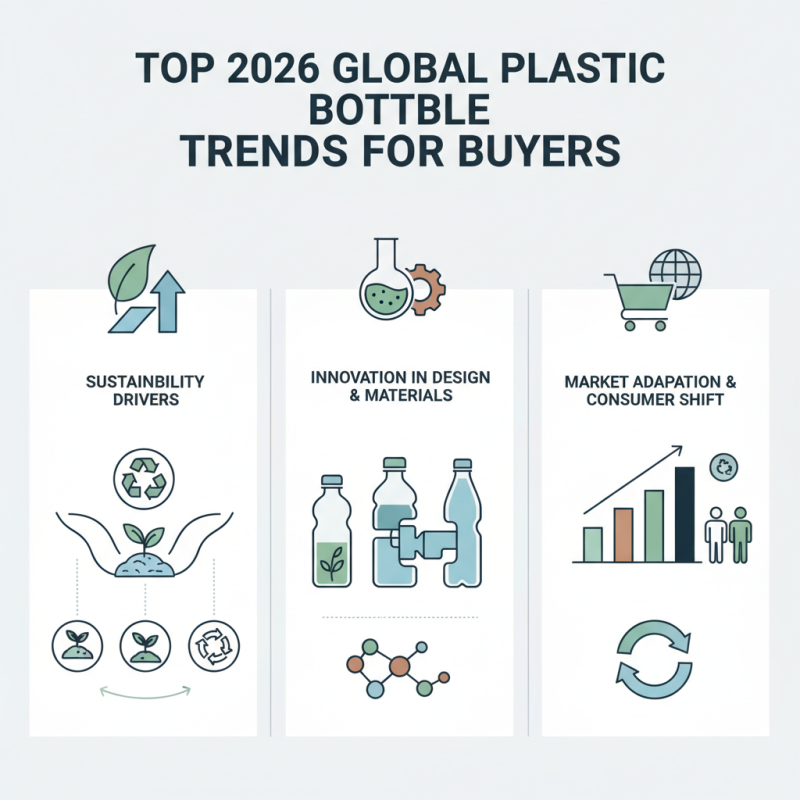
In recent years, the demand for plastic bottles has surged globally. Innovations in design and sustainability are reshaping this market. As consumers become more eco-conscious, brands must adapt to these trends.
Plastic bottles are essential in many industries, from food and beverage to personal care. They offer convenience and safety, making them indispensable. However, the environmental impact of plastic waste raises urgent questions. Are companies doing enough to address this?
Forward-thinking brands are exploring materials and designs that minimize harm. Biodegradable plastics, reusable options, and better recycling practices are emerging. Buyers in 2026 will need to navigate this evolving landscape carefully. Understanding the trends will be key to making responsible choices.
Emerging Biodegradable Materials for Plastic Bottles in 2026
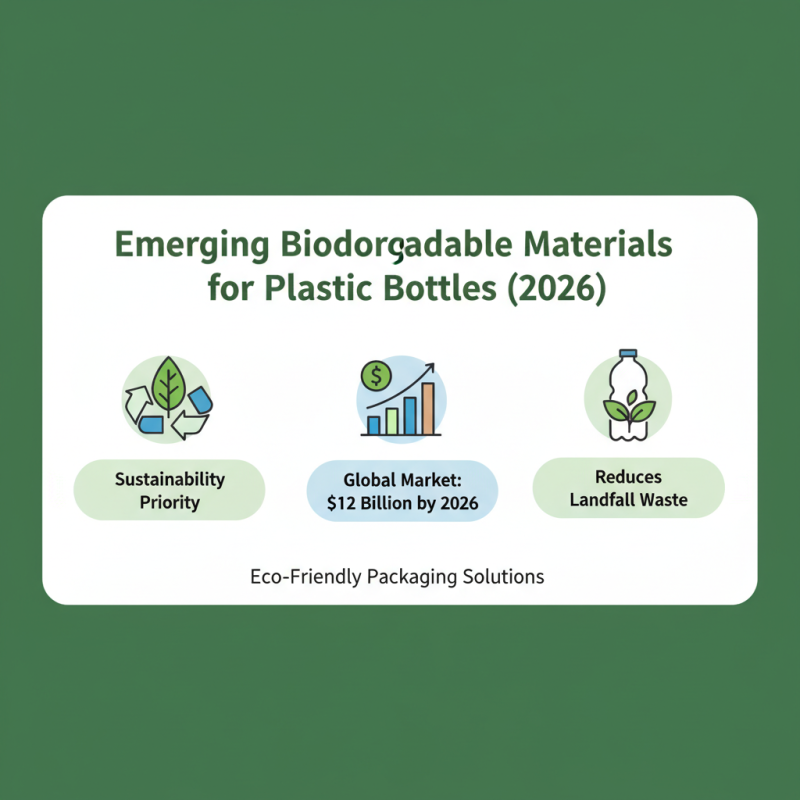
The focus on biodegradable materials for plastic bottles is gaining momentum as sustainability becomes a key priority for manufacturers and consumers alike. According to a recent market report, the global biodegradable plastics market is projected to reach $12 billion by 2026. This significant growth reflects the increasing demand for eco-friendly packaging options that reduce landfill waste.
Emerging materials such as polylactic acid (PLA) and polyhydroxyalkanoates (PHA) are paving the way for innovative bottle designs. PLA is derived from renewable resources like corn starch, while PHA is produced by microbial fermentation. These materials not only break down more easily than traditional plastics but also offer comparable durability. However, challenges remain regarding cost and recycling capabilities. The production process of these bioplastics can still be more resource-intensive than conventional plastics.
Despite the promise of biodegradable options, there is still a lot of work to be done. Consumers may have limited awareness of biodegradable plastics and their benefits. Additionally, infrastructure for disposing of these materials is still underdeveloped in many regions. As the industry evolves, collaboration between researchers, manufacturers, and governments will be essential in addressing these gaps and pushing forward the adoption of biodegradable bottles in the global market.
Innovative Designs and Functionalities Shaping the Future of Bottles
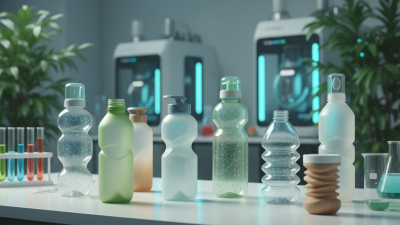
The landscape of plastic bottle design is evolving rapidly. Innovative functionalities are at the forefront, catering to diverse consumer needs. Features like built-in filtration systems, ergonomic grips, and collapsible designs enhance user experience. These designs not only prioritize convenience but also reflect a growing awareness of sustainability.
Recycling remains a challenge. Many new designs aim to address this issue. Some bottles use biodegradable materials. Others focus on refillable features, reducing single-use waste. However, the effectiveness of these solutions often varies. Consumers are left wondering how to truly contribute to environmental protection while enjoying modern conveniences.
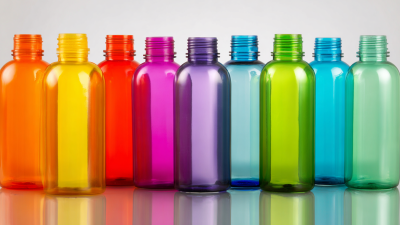
The aesthetic aspect also cannot be overlooked. Bold colors and sleek shapes attract younger consumers. Personalized designs are trending as well. Yet, there is a risk of prioritizing looks over functionality. This leads to questions about durability and practicality in everyday use. As the market grows, balancing design, functionality, and eco-friendliness is crucial for industry success.
Sustainability Trends in Plastic Production and Usage for Global Markets
Sustainability is reshaping the plastic bottle industry. In 2026, global buyers will prioritize eco-friendly practices. Data from recent industry reports indicates that over 70% of consumers prefer brands using sustainable materials. This trend is evident in a surge of recycled PET (rPET) usage. Companies are increasing their rPET adoption, as it significantly reduces carbon emissions by up to 50%.
Moreover, the use of bioplastics is on the rise. Markets for bioplastics are projected to reach $60 billion by 2027. Despite advancements, challenges persist. Current bioplastic production methods are not yet widely scalable. Companies continue to face hurdles in sourcing sustainable raw materials. Buyers are urged to be cautious of claims around “biodegradable” plastics, as degradation timelines vary.
Finding the right balance between innovation and sustainability is vital. As the global market shifts, businesses must rethink their strategies. Reports indicate that 59% of manufacturers remain uncertain about the transition to fully sustainable practices. The future of plastic bottles hinges on collaboration and continuous improvement in eco-friendly technologies.
Market Analysis: Consumer Preferences and Eco-Friendly Choices
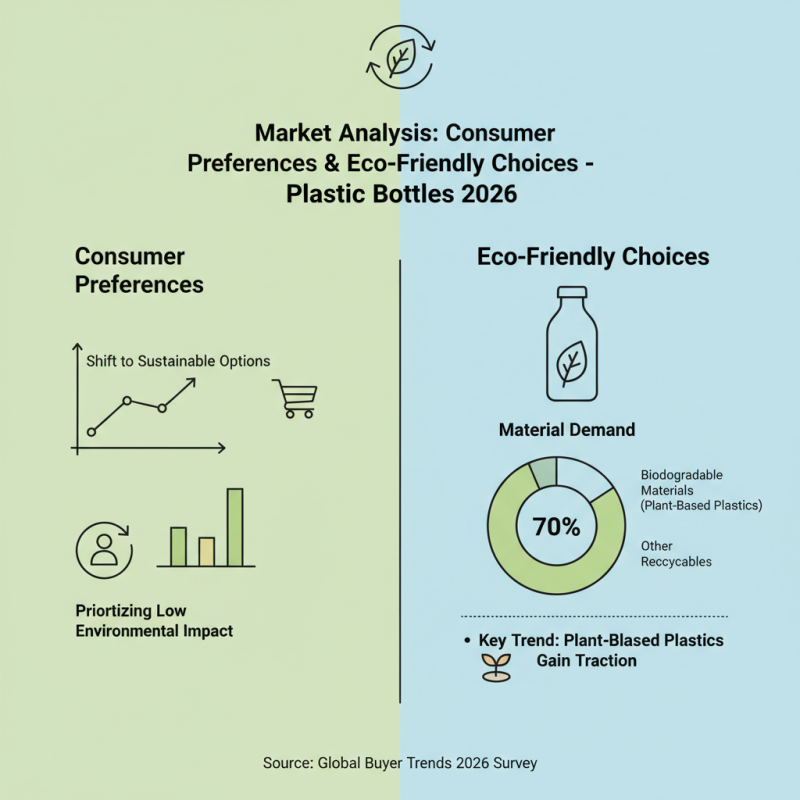
As global buyers assess trends in plastic bottles for 2026, consumer preferences are shaping the market. Eco-friendly choices have become crucial. Many consumers now seek sustainable options. They want products that minimize environmental impact. Recent surveys indicate a significant shift towards biodegradable materials. This includes plant-based plastics, which are gaining traction.
It’s not just about materials. The design of plastic bottles also matters. Consumers prefer lightweight, functional bottles. Many appreciate innovative designs that reduce waste. Reusable bottles are at the forefront. People want durable options that last. However, there’s a concern about recycling rates. Many bottles still end up in landfills. This raises questions about how effectively we manage plastic waste.
The demand for personalized packaging is also increasing. Shoppers enjoy unique designs that reflect their identity. Custom labels and colors make a difference. Yet, the journey towards sustainability is still imperfect. Producers are challenged to balance aesthetics with environmental responsibility. The industry must reflect on these issues and improve for a better future.
Technological Advancements in Recycling Processes for Bottled Plastics
The recycling of plastic bottles is undergoing major innovations. Advanced technologies are transforming how we handle waste. For instance, a recent report by the Plastic Waste Management Association highlights that evolving recycling processes could increase global plastic bottle recycling rates to 50% by 2026. This significant improvement showcases a shift toward a more sustainable future.
One notable advancement is the introduction of enzymatic recycling. This method uses special enzymes to break down plastics at a molecular level. It allows for the recycling of complex materials previously deemed non-recyclable. According to studies, enzymatic recycling can reduce energy consumption by up to 30% compared to traditional methods. However, the scalability of these technologies remains a challenge. Operational efficiency and cost-effectiveness still require extensive research and development.
Another trend is the use of AI in sorting and processing recyclables. AI systems can now recognize different types of plastics more accurately. This improved sorting can increase reclamation rates significantly. Yet, the implementation of AI technology raises concerns about data privacy and the accuracy of machine learning algorithms. Continuous monitoring and improvement are essential to ensure reliability in practices.
Top 2026 Trends in Plastic Bottles for Global Buyers - Technological Advancements in Recycling Processes for Bottled Plastics
| Trend |
Description |
Projected Impact (%) |
Year of Implementation |
| Enhanced Mechanical Recycling |
Improvements in sorting and cleaning processes to increase recovery rates. |
25% |
2026 |
| Chemical Recycling Innovations |
Advancements in chemical processing technologies that allow for greater break down of plastics. |
30% |
2025 |
| Biodegradable Alternatives |
Development of biodegradable materials to replace traditional plastics in bottles. |
20% |
2026 |
| Consumer-Driven Sustainability Initiatives |
Brands focusing on sustainability due to consumer demand for responsible packaging. |
15% |
2025 |
| Smart Packaging Technology |
Integration of smart technology to track recycling and usage patterns. |
10% |
2026 |