2026 Top Plastic Bottle Containers for Eco Friendly Packaging?
In recent years, sustainability has become a pressing concern. Many companies are now searching for eco-friendly solutions. One popular option is the use of Plastic Bottle Containers.
These containers can significantly reduce plastic waste. They offer a reliable alternative to traditional packaging. However, not all plastic bottles are made equal. Some may still harm the environment. Therefore, choosing the right Plastic Bottle Containers is crucial.
The upcoming 2026 trends showcase innovative designs and materials. Many brands are starting to incorporate recycled materials into their containers. This shift reflects a growing commitment to sustainability. Yet, it’s essential to continue questioning our choices. Are we truly making a difference with these containers? This exploration will reveal the best practices in eco-friendly packaging.
2026 Trends in Eco-Friendly Plastic Bottle Containers
As we look towards 2026, the landscape of eco-friendly plastic bottle containers is rapidly evolving. Recent industry reports indicate that the global market for sustainable packaging is expected to reach $600 billion by 2027. This surge is fueled by consumer demands for environmentally friendly products. Companies are increasingly adopting biodegradable materials, such as PLA (polylactic acid) and recycled PET, in their plastic bottles. These materials can significantly reduce landfill waste.
In 2026, transparency in sourcing will become a key trend. A study from the Packaging Association reveals that 78% of consumers prefer brands that openly share their sustainability practices. This demands brands to not only use eco-friendly materials but also to communicate their efforts effectively. However, challenges remain. Recycling rates for plastic bottles are still low, with only about 30% being recycled globally. This gap indicates a need for improved systems and consumer education.
Moreover, innovations in design are crucial. Lightweight bottles reduce material use but may compromise durability. This balancing act requires continuous improvement. Experts suggest that collaboration across the supply chain will drive meaningful change. As the industry moves forward, ongoing reflection and adjustments will be essential to fully embrace eco-friendly practices.
2026 Trends in Eco-Friendly Plastic Bottle Containers
Materials Used in Sustainable Plastic Bottle Production
In recent years, sustainable practices in packaging have gained momentum. Many manufacturers are exploring eco-friendly materials for plastic bottle production. Recycled PET (rPET) stands out as a popular choice. It utilizes post-consumer plastic, reducing waste and energy consumption.
Another alternative is bioplastics, made from renewable sources like cornstarch. They are compostable and help minimize the use of fossil fuels. However, the production process can still carry environmental drawbacks. Some bioplastics don't break down in all environments. This raises questions about their true sustainability.
Plant-based inks and water-based adhesives are also used in labeling and sealing. These choices are less harmful to the environment. But many companies still rely on traditional options. The industry must transition to greener practices. Adopting eco-friendly materials requires commitment and transparency. It’s critical to reflect on the overall lifecycle of these products for real change.
Innovative Designs for Reducing Plastic Waste
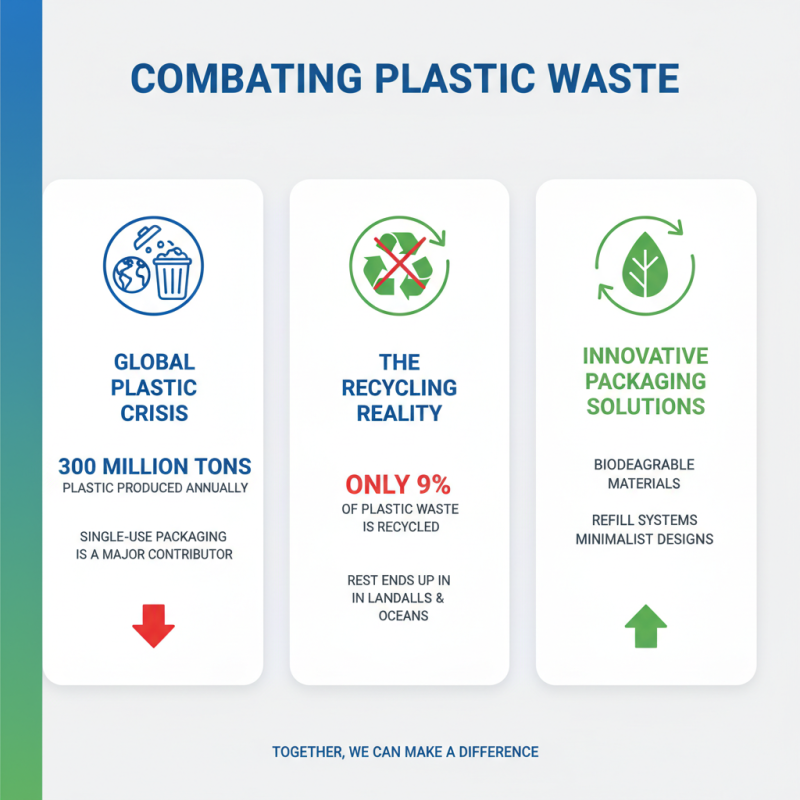
Innovative designs in packaging are crucial for reducing plastic waste. The global plastic waste crisis continues to escalate, with an estimated 300 million tons of plastic produced each year. A significant portion of this waste comes from single-use plastic containers, which end up in landfills and oceans. Recent studies indicate that only 9% of plastic waste is ever recycled.
Eco-friendly packaging designs focus on using biodegradable materials. For instance, plant-based plastics offer a promising alternative. These materials decompose faster than traditional plastics, reducing environmental impact. Some companies are now creating edible packaging. This reduces waste significantly. Additionally, using refillable systems can mitigate plastic production. Research shows that refillable containers could cut down plastic consumption by 30% in five years.
Consumer awareness is growing. Many are increasingly aware of the environmental footprint of plastic bottles. Yet, businesses still struggle to fully embrace sustainable practices. Bigger changes are required to meet public demand for eco-friendly options. Innovations like water-soluble packaging and compostable materials are essential. However, they can be cost-prohibitive for many small businesses. Continuous investment in research and development is necessary. This will lead to more affordable, effective solutions for eco-friendly packaging.
Comparison of Biodegradable vs. Recyclable Plastic Bottles
In the pursuit of eco-friendly packaging, the debate between biodegradable and recyclable plastic bottles is crucial.
Biodegradable bottles are designed to break down naturally. They can decompose within months under the right conditions. These products often contain plant-based materials. While they seem like a perfect solution, the process isn’t always straightforward. Many environments lack the conditions necessary for full decomposition. This leads to concerns about their actual impact on waste.
On the other hand, recyclable plastic bottles offer a different solution. They can be processed and reused multiple times. Recycling reduces the demand for new raw materials. Yet, not all plastics are recyclable. Consumer confusion can lead to incorrect disposal. Consequently, many recyclable bottles still end up in landfills. This highlights the need for better education on recycling practices. Companies and consumers alike must work together. Awareness is key to maximizing both biodegradable and recyclable options.
Brands Leading the Way in Eco-Friendly Packaging Solutions
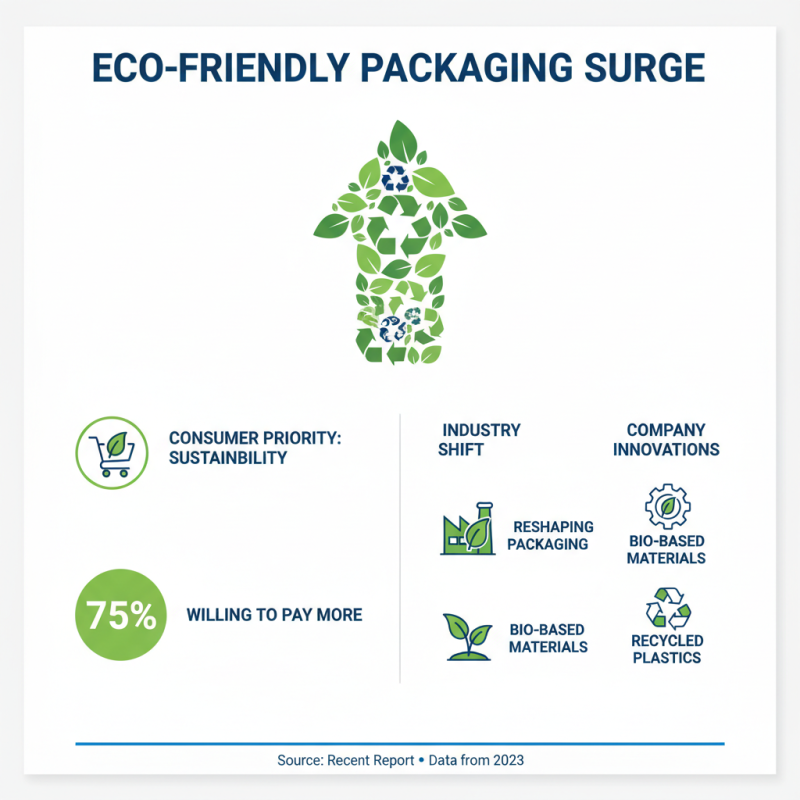
The demand for eco-friendly packaging has surged in recent years. A recent report indicates that consumers prioritize sustainability, with 75% willing to pay more for eco-friendly products. This shift is reshaping the packaging industry. Companies that lead in this movement deploy innovative technologies. They also utilize bio-based materials and recycled plastics.
Research reveals that almost 50% of plastic bottles are now made from recyclable materials. Yet, the journey isn’t flawless. Many brands still struggle with transparency in sourcing materials. This lack of clarity can hinder consumer trust. Moreover, only about 30% of consumers feel well-informed about recycling processes. This indicates a significant communication gap between brands and consumers.
The challenge remains: creating both appealing and sustainable designs. Many packaging solutions still rely on single-use plastics. Alternative options are often more expensive. Some brands hesitate to make the switch. They fear losing their competitive edge. Balancing cost, sustainability, and consumer demand is no easy feat. Brands must continue to innovate and educate to truly lead in eco-friendly packaging solutions.